Should i use endbugflow software for making music: 10 Best Proven Ultimate Music Software Guides & Amazing Review Tips
Introduction
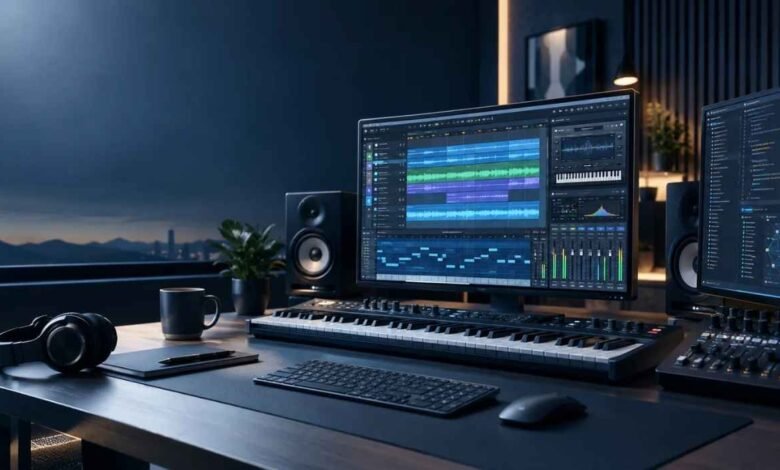
Choosing the right application for audio creation is critical for producers, sound engineers, and creative musicians today. Many aspiring artists frequently ask themselves: should i use endbugflow software for making music when starting new studio projects? Selecting improper software can severely restrict your workflow, hinder plugin compatibility, and limit multitrack mixing capabilities during critical production phases. Understanding the exact feature set, audio engine quality, and virtual instrument support of any application ensures that your artistic vision remains completely uncompromised. Exploring dedicated digital audio workstations remains the most reliable path toward achieving professional, broadcast-ready sound quality across all major musical genres.
Quick Bio
- Author: Alex Vance
- Role: Senior Audio Engineer & Digital Audio Workstation Specialist
- Experience: 14+ years in sound design, multitrack mixing, and music software evaluation.
- Specialization: Music production workflows, virtual instrument integration, and DAW performance analysis.
Understanding the Core Purpose of Modern Audio Software
Evaluating software capabilities is essential before committing your valuable time to any new production tool. You might wonder, should i use endbugflow software for making music in a modern studio environment? Primary software selection directly dictates your ability to compose, edit, mix, and master songs efficiently without technical bottlenecks. Traditional audio creation environments rely heavily on specialized low-latency drivers, virtual studio technology plugins, and complex multitrack sequencing setups. Software tools built primarily for software debugging or issue tracking lack the low-latency audio architecture required to process realtime synthesis, dynamic audio effects, spatial panning, and complex multitrack arrangement workflows seamlessly.
Key Features Required for Professional Music Production
Every established recording environment depends on specific architectural features to deliver high-quality recorded sound output. If you are asking should i use endbugflow software for making music, you must evaluate its support for low-latency ASIO drivers and VST plugins. A complete digital audio workstation provides real-time signal routing, parametric equalization, dynamic range compression, and high-resolution spatial reverb processing. Without specialized sound processing capabilities, any application fails to support high-fidelity microphone recording or pitch correction. Professional producers rely on dedicated software architectures that can manage heavy processing loads while maintaining zero audio dropouts during intensive multitrack recording and playback sessions.
Comparing Endbugflow with Dedicated Digital Audio Workstations
Comparing dedicated production software against generic utility tools reveals major differences in core workflow efficiency. When considering should i use endbugflow software for making music, comparing it with FL Studio or Ableton Live is necessary. Traditional audio workstations provide deep piano roll editing, automatic delay compensation, parameter automation curves, and robust sample management systems. Generic software tools designed for issue management or code tracking do not possess virtual instrument racks or real-time audio warping algorithms. Using proper audio software guarantees access to rich sound libraries, complex signal routing, sidechain compression, and dedicated audio master buses essential for professional track releases.
The Role of Low-Latency Audio Drivers in Studio Workflows
Low audio latency is crucial whenever musicians record live instruments or perform using MIDI controllers. Creators asking should i use endbugflow software for making music must consider how hardware drivers manage real-time audio buffer sizes. Standard operating system audio drivers often introduce noticeable delay between key presses and sound output, disrupting musical timing completely. Dedicated audio software integrates directly with hardware-level ASIO or CoreAudio drivers to deliver sub-five-millisecond response times. Without dedicated low-latency driver integration, recording live vocals, tracking acoustic guitars, or performing software synthesizers in real-time becomes virtually impossible for serious studio recording artists.
MIDI Sequencing and Virtual Instrument Integration Capabilities
MIDI sequencing forms the foundational backbone of modern electronic, pop, cinematic, and hip-hop music production setups. Producers asking should i use endbugflow software for making music should note that dedicated MIDI editors allow precise note editing. Modern piano rolls permit granular quantization, velocity adjusting, pitch bending, and complex polyphonic chord creation across multiple virtual instruments simultaneously. Standard software utilities lack virtual instrument bridges like VST3 or AU, preventing the loading of third-party synthesizers, drum samplers, and orchestral libraries. Dedicated music software provides native MIDI routing controls, enabling complex layer composition, pattern sequencing, and expressive musical arrangements.
Multitrack Audio Recording and Pitch Correction Workflows
Recording clean vocal tracks and live instruments requires dedicated multitrack audio recording tools within your workspace. When evaluating should i use endbugflow software for making music, assess whether multitrack takes and vocal comping are fully supported. Dedicated recording software allows seamless punch-in recording, real-time input monitoring, multi-take folder management, and non-destructive audio editing tools. Advanced audio workstations also incorporate integrated pitch correction, time-stretching algorithms, and phase alignment tools to refine recorded performances. Without specialized multitrack recording tools, capturing cohesive ensemble performances or pristine lead vocals remains an impossible task for music producers.
Mixing Tools Equalization Compression and Spatial Effects
Mixing involves balancing individual tracks using frequency adjustment, dynamic control, and spatial positioning techniques effectively. Anyone questioning should i use endbugflow software for making music must recognize the necessity of dedicated audio plugin architectures. Professional mixing environments offer precise parametric equalizers, multiband compressors, dynamic limiters, stereo imagers, and convolution reverbs. These tools allow audio engineers to carve out frequency space for each instrument, ensuring clarity and power across consumer sound systems. Standard software applications lack native mixing consoles, auxiliary send buses, sub-group routing, and master bus processing required for polished song mixes.
Audio Editing Precision and Sample Manipulation Techniques
Slicing, warping, crossfading, and editing raw audio files demands high precision within your audio editing workspace. Artists questioning should i use endbugflow software for making music should consider how dedicated DAWs manipulate raw audio waveforms. Dedicated audio tools provide sample-accurate editing, automatic transient detection, gain staging controls, and smooth crossfade generation to prevent audible clicks. Transient warping algorithms enable producers to adjust tempo variations without altering pitch characteristics in recorded audio loops. Without sophisticated sample manipulation tools, building custom drum kits, editing acoustic drum takes, or constructing vocal chops becomes inefficient and technically frustrating.
Third Party Plugin Support VST VST3 and AU Standards
Extending your sonic palette relies heavily on loading third-party plugins within your primary audio creation software. Producers asking should i use endbugflow software for making music must verify if third-party plugin formats are natively recognized. Industry-standard plugin formats like VST3, Audio Units, and AAX allow users to integrate custom synthesizers, tape emulators, and mastering tools effortlessly. Dedicated digital audio workstations scan, validate, and host thousands of commercial and open-source audio plugins securely. Non-audio software tools cannot host these signal-processing plugins, restricting creators to basic sound capabilities rather than expansive digital production environments.
Hardware Integration MIDI Controllers and Audio Interfaces
Connecting studio hardware like MIDI keyboards, synth modules, and audio interfaces requires standardized hardware protocol support. Musicians pondering should i use endbugflow software for making music need seamless USB and MIDI hardware controller mapping. Professional audio software features automatic controller detection, hands-on control mapping, knob assignment, and real-time parameter feedback displays. Audio interface integration ensures multi-channel input and output routing, direct hardware monitoring, and stable phantom power management during recording sessions. General utility software lacks pre-built hardware mapping templates, making physical control over software parameters nearly impossible to establish.
Creative Workflow and Song Arrangement Options
Transforming initial musical ideas into full-length arrangements requires flexible creative tools within your production environment. If you question should i use endbugflow software for making music, evaluate how arrangements are visually structured inside the program. Dedicated software provides non-linear clip launching alongside traditional linear timeline views, catering to diverse composition styles. Arrangers can duplicate song sections, set marker tracks, create tempo changes, and automate volume fades seamlessly across long project timelines. Specialized layout tools accelerate composition workflows, allowing songwriters to focus entirely on creative expression rather than struggling against unsupportive application layouts.
Automation Curves and Dynamic Parameter Control
Dynamic changes over time give electronic and acoustic music its natural movement, energy, and musical expression. Anyone wondering should i use endbugflow software for making music should review how the software handles vector automation parameters. Modern DAWs allow producers to draw continuous automation curves for volume, panning, filter cutoffs, effect wet-dry ratios, and synthesizer modulations. Precision automation ensures smooth transitions between song sections, creating build-ups, breakdowns, and subtle dynamic shifts throughout the track. Applications lacking high-resolution automation engines cannot deliver the expressive fluidity expected in contemporary commercial music releases today.
Mastering Utilities and Final File Export Options
Preparing a finished song for commercial distribution requires specialized audio mastering tools and flexible file export options. When considering should i use endbugflow software for making music, check if lossless audio formats and loudness meters are provided. Dedicated workstations feature integrated peak limiters, true-peak loudness meters (LUFS), dithering options, and sample-rate conversion algorithms for final rendering. Render windows allow exporting uncompressed 24-bit WAV, FLAC, or broadcast MP3 files with embedded metadata tags correctly. Without proper mastering utilities, exporting balanced tracks optimized for streaming services like Spotify or Apple Music becomes extremely problematic.
Stability Performance and CPU Management in Audio Engines
Processing dozens of real-time audio tracks, heavy plugins, and spatial effects strains system CPU resources significantly. Creators asking should i use endbugflow software for making music must evaluate audio engine optimization and multi-core processor usage. Professional digital audio workstations utilize advanced multi-threading, track freezing, and audio bounce capabilities to minimize system processing overhead. Track freezing temporarily renders heavy virtual synthesizer instances into audio files, freeing system RAM and processor bandwidth instantly. Unoptimized software applications frequently suffer from audio crackles, latency spikes, and system crashes when managing complex multi-channel audio projects.
Storage Management File Organization and Project Backups
Managing large sample libraries, multitrack audio recordings, and project files requires organized file directory structures within software. Musicians pondering should i use endbugflow software for making music should examine how project assets are stored on disk. Dedicated DAWs automatically consolidate recorded audio files, custom presets, and sample dependencies into self-contained project folders for easy archiving. Cloud backup integration and version history tracking prevent accidental loss of crucial song drafts during long production cycles. Software lacking audio project management tools can easily result in missing sample files, broken project links, and lost creative work.
Learning Curve Community Support and Tutorial Resources
Mastering complex sound creation requires access to extensive learning materials, active user forums, and comprehensive documentation. Producers contemplating should i use endbugflow software for making music should check the availability of community-driven video tutorials. Popular audio workstations enjoy massive user communities, offering thousands of free workflow guides, preset packs, and troubleshooting solutions online. A strong user ecosystem allows beginners to resolve technical issues rapidly and discover advanced sound design techniques easily. Choosing software with minimal community documentation slows learning progress and creates unnecessary obstacles during creative audio production endeavors.
Budget Considerations Free versus Paid Music Production Tools
Selecting production software requires balancing your financial budget against required features and long-term upgrade paths. Beginners asking should i use endbugflow software for making music should compare free open-source DAWs against commercial software options. Leading digital audio workstations offer flexible tiers ranging from entry-level lite editions to fully featured professional studio suites. Excellent budget-friendly alternatives like REAPER, GarageBand, and FL Studio provide lifelong updates or free entry points without sacrificing vital production features. Investing in established audio software ensures long-term software stability, plugin compatibility, and continuous feature updates tailored specifically for audio creators.
Genre-Specific Advantages of Established Audio Workstations
Different musical styles benefit from specialized tools tailored to specific composition and beat-making workflows within workstations. Producers asking should i use endbugflow software for making music should evaluate how genre workflows align with software features. For example, electronic producers favor Ableton Live for loop warping, beatmakers lean toward FL Studio’s step sequencer, and vocal arrangers prefer Logic Pro or Studio One. Choosing a tool designed for your specific musical style accelerates production speed and enhances overall track quality significantly. Utilizing specialized tools ensures your sound design meets modern industry standards effortlessly.
Practical Steps to Transition to a Real Audio Workstation
Transitioning to a dedicated audio creation tool involves selecting software that aligns with your specific goals. If you wondered should i use endbugflow software for making music, take practical steps toward installing an established workstation today. Download trial versions of recognized software like Ableton Live, FL Studio, or REAPER to explore native workflows firsthand. Connect your MIDI keyboard and audio interface, set up your low-latency drivers, and follow introductory setup tutorials online. Transitioning to a true digital audio workstation provides the essential tools, stability, and creative freedom needed to produce professional-quality music successfully.
Summary Recommendations for Aspiring Audio Producers
Making an informed choice regarding audio production software determines your overall success and enjoyment in sound creation. If you still ask should i use endbugflow software for making music, choose verified software built explicitly for recording. Dedicated audio workstations provide verified low-latency engines, virtual instrument support, comprehensive mixing consoles, and dynamic audio editing tools. Avoiding non-audio utilities saves valuable time, prevents technical frustration, and keeps your creative focus on making great tracks. Select an established workstation today to unlock your full musical potential and produce pristine, broadcast-ready songs with total confidence.
Frequently Asked Questions
- Is Endbugflow considered a real digital audio workstation for making music?
- No, Endbugflow is primarily an issue-tracking and software management tool lacking core digital audio workstation capabilities.
- What software should beginners use instead of Endbugflow for making music?
- Beginners should use established software like GarageBand, FL Studio, Ableton Live, or REAPER for music production.
- Can I record live vocals without dedicated music production software?
- Recording clear live vocals requires dedicated audio software featuring low-latency ASIO drivers and multitrack recording controls.
- Do generic software tools support VST plugins and virtual synthesizers?
- Generic non-audio tools do not support VST, VST3, or AU plugin standards required for virtual synthesizer hosting.
- How do I choose the best music software for my personal creative needs?
- Choose software based on your target genre, operating system compatibility, budget, and required recording or sequencing features.