
Gdtj45 builder software: 10 Best Proven Ultimate Builder Software Guides & Amazing Coding Tips

In the rapidly evolving ecosystem of digital creation, modern engineering teams continuously seek platforms that bridge visual interface design with robust backend engineering. The gdtj45 builder software has emerged as a landmark solution in this category, engineered to streamline complex workflows across modern software projects. By integrating visual component drag-and-drop mechanisms with full-stack code customization capabilities, it allows both novice creators and seasoned architects to build enterprise-grade applications rapidly. Understanding how this platform balances low-code efficiency with raw technical flexibility provides a foundational blueprint for optimizing production cycles and reducing development overhead.
Quick Bio
| Attribute | Details |
| Software Name | GDTJ45 Builder Software |
| Primary Focus | Modular Software & Application Development |
| Core Architecture | Visual Interface Builder & Hybrid Code Editor |
| Target Audience | Software Engineers, Product Managers, & Tech Enterprises |
| Supported Languages | JavaScript, Python, Java, & Custom Logic Scripts |
| Key Advantage | Up to 60% Reduction in Project Cycle Timelines |
Core Architecture of GDTJ45 Builder Software
The underlying design of gdtj45 builder software relies on a decoupled architecture that isolates presentation components from underlying microservices. This modular construction ensures that UI modifications do not disrupt core business logic or data pipelines. By utilizing standardized API contracts, developers can bind visual widgets to scalable cloud services without writing redundant boilerplate scripts. Furthermore, the system incorporates an intelligent compilation engine that outputs clean, production-ready code. This robust architectural foundation prevents vendor lock-in, enabling modern technical teams to inspect, extend, and deploy generated code structures across various public cloud environments seamlessly.
Visual Drag and Drop Interface Integration
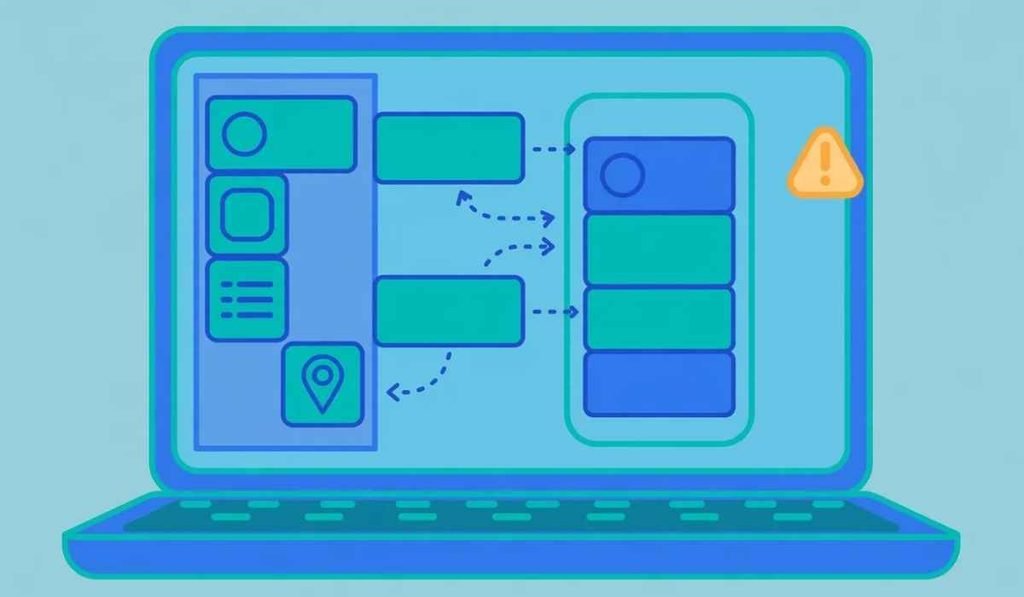
Designing user interfaces becomes remarkably straightforward when working inside the intuitive environment of gdtj45 builder software. The visual drag-and-drop canvas offers real-time rendering, letting creators position complex UI elements like data tables, interactive forms, and navigation panels effortlessly. Behind each visible component lies a reactive state system that automatically handles data binding and UI refreshes. Designers can adjust visual parameters directly while software engineers configure data sources in parallel. This unified workspace removes friction between design concepts and functional code, dramatically speeding up layout iteration cycles across multi-disciplinary product engineering teams worldwide.
Custom Code Execution and Logic Extensions
While visual building speeds up standard UI tasks, complex applications demand custom business logic, which gdtj45 builder software supports fully through integrated IDE capabilities. Developers can easily inject custom JavaScript, Python, or Java scripts directly into visual event handlers. This hybrid capability ensures that non-standard workflows, mathematical routines, or proprietary algorithms are never restricted by platform limitations. The embedded editor features syntax highlighting, real-time linting, and autocompletion tailored to connected system APIs. Consequently, technical teams maintain full granular control over application behavior without abandoning the rapid visual prototyping environment.
Database Integration and Modeling Tools

Data management within the platform is powered by native connector utilities inside gdtj45 builder software. Developers can map object-relational databases, document stores, or graph databases directly through visual data modelers without writing tedious SQL migration scripts. The software supports automatic schema generation, live database queries, and robust connection pooling out of the box. Whether interfacing with PostgreSQL, MongoDB, or enterprise Oracle instances, the data layer maintains strict type validation. This automated data handling guarantees data integrity during high-concurrency read and write operations, providing a reliable backbone for data-intensive enterprise applications.
Automated API Management and Webhook Routing
Connecting external web services is streamlined through automated network configuration modules in gdtj45 builder software. The platform automatically ingests OpenAPI or Swagger specifications to generate instant visual API wrappers. Engineers can effortlessly map endpoints to frontend UI triggers or schedule background asynchronous processing functions. Real-time webhook listeners permit incoming system events to trigger custom logic workflows without polling delays. Built-in request caching, payload transformations, and error handling mechanisms keep network traffic optimized, ensuring reliable communication across distributed cloud services and third-party SaaS integration frameworks.
Real Time Collaborative Development Workflows
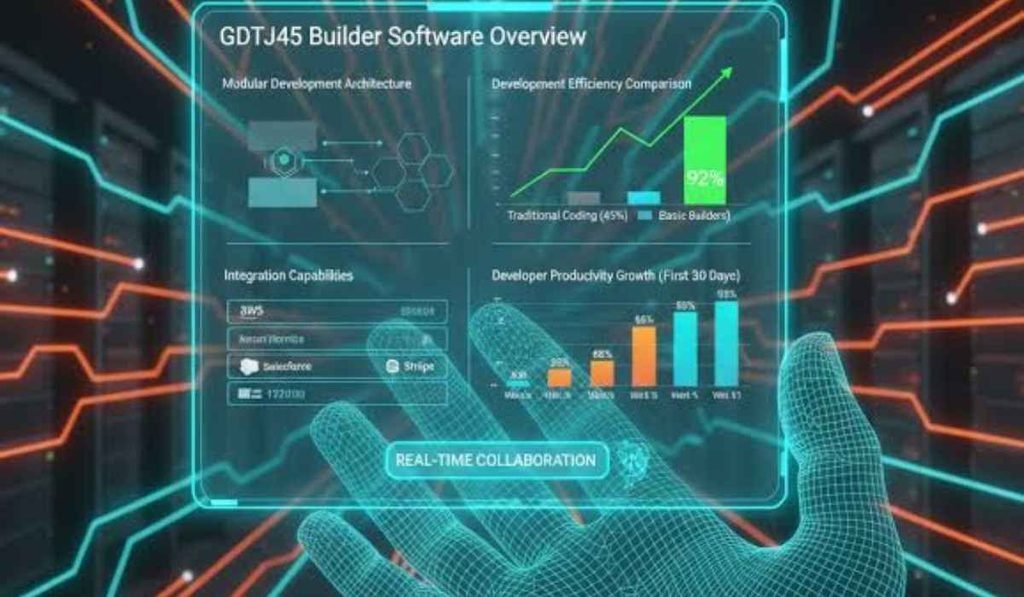
Modern software engineering relies heavily on team synchronization, which is natively engineered into gdtj45 builder software. Much like modern collaborative design platforms, multiple engineers and product managers can concurrently edit application layouts, schemas, and custom code modules. The platform utilizes operational transformation algorithms to merge simultaneous changes smoothly without causing code collisions. Integrated presence indicators reveal which developer is modifying specific logic blocks in real time. This seamless multiplayer environment minimizes communication bottlenecks, eliminates tedious manual merge conflicts, and boosts overall output across remote software teams.
Security Infrastructure and Compliance Features
Data protection remains a top priority, and the built-in security architecture of gdtj45 builder software meets rigorous industry guidelines. The system provides out-of-the-box support for Role-Based Access Control (RBAC), multi-factor authentication (MFA), and single sign-on (SSO) protocols like SAML and OAuth 2.0. Every compiled application layer includes automated input sanitization to block common security threats such as SQL injection and cross-site scripting (XSS) attacks. Continuous vulnerability scanning inspects project dependencies automatically. This comprehensive security setup allows enterprises to build compliant internal tools and customer-facing apps safely.
Version Control and Branching Systems
Maintaining codebase stability is effortless due to standard version control integration in gdtj45 builder software. Developers can create isolated development branches, test new feature sets, and perform peer reviews before deploying changes into production. The software integrates natively with external git repositories like GitHub, GitLab, and Bitbucket. Visual diff tools show side-by-side comparisons of both visual canvas changes and raw source code modifications. This granular visibility allows technical leads to track project history, execute instant rollbacks when errors occur, and manage software release cycles with confidence.
Performance Optimization and Code Generation
Application speed is paramount, and the optimized compilation engine of gdtj45 builder software delivers lightweight code bundles. The builder automatically strips unused dependencies, minifies scripts, and generates optimized UI render trees. Dynamic code-splitting ensures pages load only necessary modules, keeping initial load times extremely low even on mobile networks. Built-in performance monitoring dashboards track CPU usage, memory allocation, and API response latencies during runtime. These proactive optimization capabilities ensure that applications built on the platform maintain high performance under heavy enterprise production loads.
Multi Platform Cross Deployment Strategies
Deploying applications across diverse target environments is simplified using universal deployment features in gdtj45 builder software. Users can compile single codebases into responsive web applications, progressive web apps (PWAs), or cross-platform desktop executables. Docker container creation is handled automatically, allowing instant deployment to cloud platforms such as AWS, Google Cloud, or Azure. Hybrid deployment options let organizations host microservices on-premises while maintaining cloud-based visual management interfaces. This flexibility reduces infrastructure setup complexity, allowing teams to deliver applications across multiple operating systems efficiently.
Rapid Prototyping and Minimum Viable Product Creation
Accelerating time-to-market is a major reason engineering leaders adopt gdtj45 builder software for early-stage development. Product teams can transform wireframe concepts into fully functional minimum viable products (MVPs) in a fraction of traditional timelines. Pre-built UI component libraries, authentication flows, and payment integrations reduce initial setup overhead. Fast prototyping allows startups to test product hypotheses, gather user feedback, and refine market strategies without heavy upfront capital investment. This rapid development loop helps businesses launch innovative software solutions well ahead of competitors.
Enterprise Internal Tool Development
Building custom back-office applications is streamlined using tailored administrative templates within gdtj45 builder software. Organizations frequently require bespoke dashboards, customer support tools, and inventory managers that off-the-shelf software cannot provide. By connecting enterprise databases to visual components, teams build fully operational operational tools in days rather than months. Automated permission management ensures employees access only relevant company data based on their internal department roles. This operational efficiency saves enterprises substantial development costs while streamlining internal operational workflows.
Custom Theme Design and UI Styling Options
Maintaining brand consistency across modern digital products is simple with style management features in gdtj45 builder software. The system supports global design systems, dynamic CSS variables, and customizable theme templates. Designers can modify color palettes, typography specs, and component padding from a centralized design tokens panel. Changes apply instantly across the entire application interface without requiring manual code refactoring. Advanced developers can also import existing Tailwind CSS configurations or custom SCSS stylesheets, ensuring complete aesthetic control over every visual UI component.
Testing Automation and Quality Assurance
Ensuring application stability is straightforward using automated testing modules native to gdtj45 builder software. The platform includes built-in test runners for unit tests, end-to-end user flow simulations, and integration verification. QA teams can create automated test scripts visually or write custom test suites using standard JavaScript testing frameworks. Automated continuous integration (CI) pipelines run these test suites whenever code changes are committed. Catching regressions early prevents software bugs from entering production, ensuring high software reliability and operational continuity for enterprise applications.
Microservices Architecture and Scalability
Scaling software applications to support millions of concurrent connections is achievable with scalable architectures built into gdtj45 builder software. The platform promotes modular service decomposition, allowing development teams to isolate distinct application capabilities into independent microservices. Event-driven communication channels facilitate fast data exchanges between system components without causing resource contention. Dynamic auto-scaling rules automatically expand container instances during high-traffic periods and contract them during lulls. This scalable foundation ensures robust application performance while optimizing overall cloud server infrastructure expenditure.
Third Party Integration Ecosystem
Expanding platform functionality is seamless thanks to the rich plugin ecosystem within gdtj45 builder software. Developers can browse an extensive marketplace of pre-tested extensions for analytics engines, payment gateways, messaging services, and AI APIs. Installing a plugin automatically exposes configuration options within the visual interface and code editor environments. Furthermore, software engineers can build custom private plugins to reuse proprietary company algorithms across internal projects. This extensible modular architecture ensures the builder platform continuously adapts to emerging enterprise technology stacks.
Cost Efficiency and Resource Optimization
Reducing development budgets while increasing output is a core financial benefit of adopting gdtj45 builder software. By automating standard boilerplate coding, engineering teams accomplish complex deliverables with fewer dedicated developers. Shorter project lifecycles directly translate to lower payroll expenditures, reduced cloud prototyping costs, and faster revenue generation. Moreover, reduced maintenance requirements lower long-term technical debt across application lifecycles. This high return on investment makes the builder platform a compelling choice for growing startups and established enterprise IT budgets alike.
Onboarding and Developer Learning Curve
Adopting new development tools can present onboarding challenges, but the accessible interface of gdtj45 builder software accelerates team productivity. Clear visual structures help junior engineers quickly understand application architecture, database bindings, and logic flows. Comprehensive interactive tutorials, sample template projects, and clear inline documentation guide new users through core workflows. Experienced developers transition rapidly by applying standard coding practices within the custom IDE modules. Most engineering teams achieve complete platform proficiency within a few days of initial system deployment.
Governance and Auditing in Development Platforms
Maintaining strict compliance oversight is managed through integrated telemetry tools built directly into gdtj45 builder software. System administrators gain comprehensive visibility over project changes through immutable audit logs. These logs record every code edit, deployment event, visual configuration change, and permission update alongside precise user timestamps. Automated policy enforcement prevents unauthorized production deployments that fail internal security standards. This transparent operational history satisfies regulatory requirements, making the platform fully suitable for finance, healthcare, and government software projects.
Future Trends in Builder Platforms
Looking ahead, continuous technological evolution will further enhance the capabilities of gdtj45 builder software. Future updates are set to integrate advanced artificial intelligence assistants that automatically suggest code optimizations and generate UI layout variations. Predictive debugging tools will identify potential performance bottlenecks before code execution. As low-code visual environments combine with autonomous code generation engines, developers will focus more on high-level architecture. Embracing these modern advancements ensures software teams remain highly productive in a competitive digital landscape.
FAQs
- What primary core programming languages are natively supported by the software platform?
- The software natively supports JavaScript, Python, Java, and custom web logic scripting languages out of the box.
- How significantly can using visual builder platforms reduce standard project development timeframes?
- Teams using visual builder frameworks report overall development cycle time reductions between 40% and 70% on average.
- Can software development teams connect external databases directly to visual interface elements?
- Yes, developers can easily bind relational and document databases directly to UI components using native connectors.
- Does the platform support standard version control systems like GitHub or GitLab natively?
- Yes, the platform integrates seamlessly with external Git providers for branching, reviewing, and tracking application code history.
- Is the compiled application code free of proprietary lock-in for external deployment environments?
- Yes, the platform generates clean, standard source code that can be deployed anywhere using modern Docker container setups.