
10 Important Characteristics of Rodwajlery Dogs: History, Care, and Training
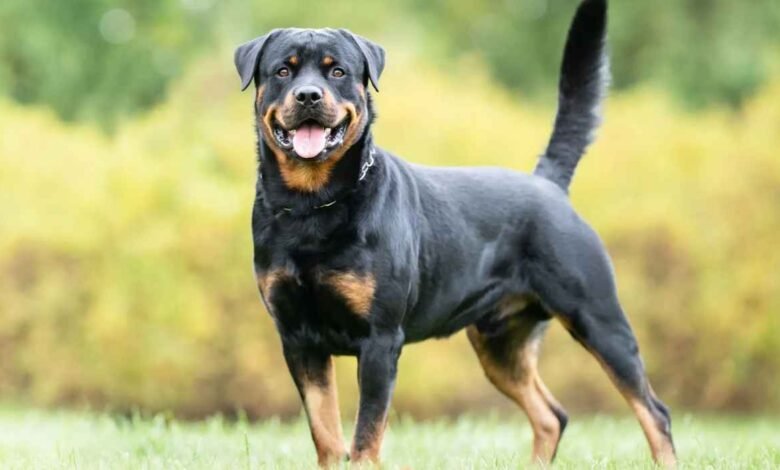
The domestic dog breed known as rodwajlery represents one of the most powerful, versatile, and historically significant working breeds in the world today. Originating in Germany as driving dogs for livestock and cart pullers for local butchers, these formidable working dogs have evolved into loyal family protectors, military service animals, and police search companions. Understanding the care requirements, proper socialization strategies, and health management of rodwajlery dogs is essential for prospective owners. With proper leadership, positive training methods, and routine veterinary care, these intelligent dogs develop into reliable, calm, and devoted companions for modern households across diverse home environments.
Historical Origins of the German Working Breed
Historically bred in the German town of Rottweil, early ancestors of the rodwajlery served local butchers by guarding livestock herds during cattle drives to regional market towns. These muscular working dogs developed exceptional strength, agility, and protective instincts while driving cattle across difficult terrain. As railways replaced traditional cattle drives in the nineteenth century, the working roles of rodwajlery dogs transitioned toward municipal law enforcement and military guard duty. Recognizing their natural protective instincts and high intelligence, modern kennel clubs officially recognized the working breed, establishing strict breeding standards to preserve their working capabilities and calm demeanor.
Physical Characteristics and Structural Standards
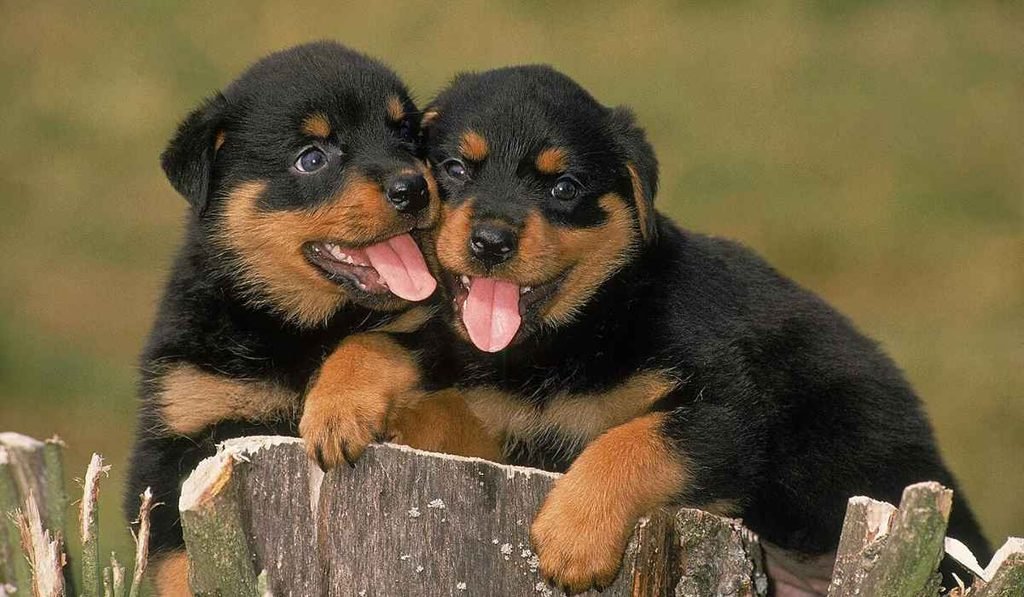
Standard physical characteristics of the rodwajlery include a heavy, compact, and muscular body built for endurance, physical strength, and athletic agility. Adult males stand between twenty-four and twenty-seven inches tall at the shoulder, while females maintain a slightly smaller, athletic frame suitable for active work. The signature short double coat of the rodwajlery displays distinct black coloration with rich rust markings located on the chest, legs, and face. Proper skeletal development requires careful nutritional monitoring during puppyhood, ensuring that heavy bone structure grows at a healthy rate to prevent joint stress and long-term physical issues.
Temperament and Natural Behavioral Traits
Exhibiting a confident, calm, and alert disposition, a well-bred rodwajlery displays inherent protective instincts without exhibiting unnecessary aggression toward peaceful human visitors. Their natural intelligence and observant personality make them highly sensitive to their environment, family routine, and household dynamics. While deeply devoted to immediate family members, a mature rodwajlery often maintains a reserved, cautious attitude toward unfamiliar visitors until proper introductions occur. Establishing firm, clear household leadership and consistent boundaries ensures that their protective temperament develops into controlled, reliable behavior suitable for family living across suburban or rural properties.
Early Socialization Strategies for Young Puppies

Exposing young puppies to diverse environments, human visitors, and other domestic animals forms a critical pillar when raising a well-adjusted rodwajlery at home. The primary socialization window occurs during the initial months of development, shaping how young dogs react to unfamiliar sights, sounds, and physical experiences. Enrolling a young rodwajlery in structured puppy kindergarten classes builds social confidence while preventing territorial aggression as they mature into adulthood. Consistent exposure to busy public parks, vehicular traffic, and neighboring pets teaches young dogs to remain calm, focused, and obedient regardless of surrounding environmental distractions.
Obedience Training Techniques and Best Practices
Training an intelligent working breed like the rodwajlery requires positive reinforcement, consistency, patience, and clear communication from an experienced dog handler. Their sharp problem-solving abilities allow them to learn basic commands, leash manners, and complex task routines quickly during short daily sessions. Using positive rewards like treat incentives, verbal praise, and favorite toys keeps a young rodwajlery engaged and eager to cooperate during obedience training drills. Establishing reliable recall and leash discipline early prevents management challenges when these powerful dogs reach full adult size, strength, and physical driving weight.
Daily Exercise and Physical Energy Requirements
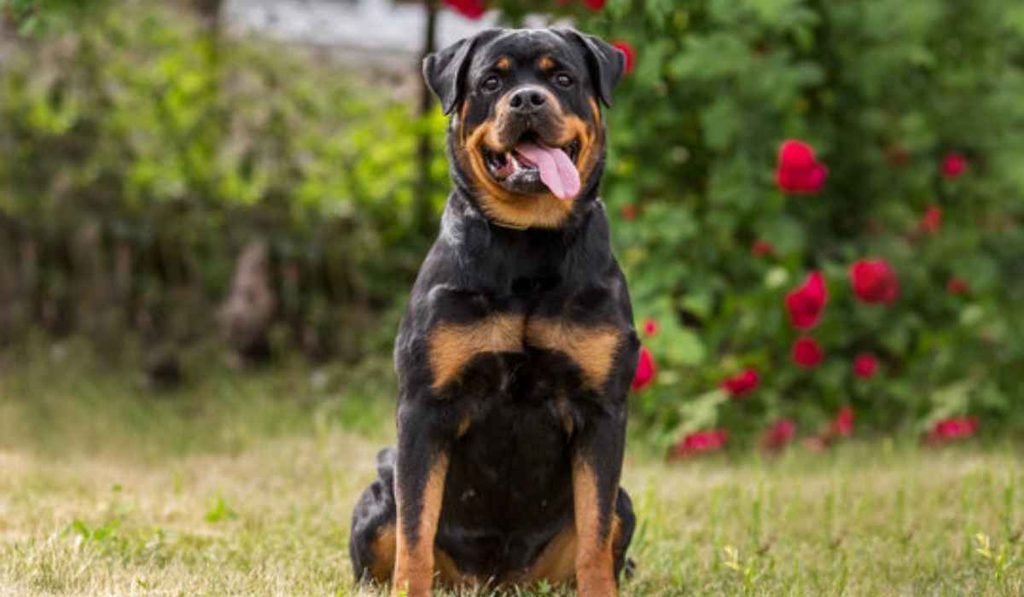
Meeting the daily physical exercise requirements of an energetic rodwajlery requires dedicated owners committed to daily outdoor activities and mental stimulation routines. These active working dogs require at least one hour of vigorous exercise daily, such as brisk neighborhood walks, jogging, or fetch games. Incorporating structured physical activities prevents behavioral problems linked to boredom, such as destructive chewing, excessive barking, or boundary digging. Engaging a athletic rodwajlery in agility courses, tracking games, or obedience trials provides constructive outlets for their natural energy, keeping them physically fit and mentally satisfied throughout adulthood.
Mental Stimulation and Working Brain Engagement
Providing ongoing cognitive challenges is just as important as daily physical exercise when caring for an intelligent working breed like the rodwajlery at home. Their working ancestry drives them to complete tasks, solve practical puzzles, and work closely alongside their human handlers on daily assignments. Using interactive food puzzle toys, hide-and-seek scent games, and trick training routines keeps the mind of a rodwajlery sharp and focused. Mental fatigue promotes relaxation indoors, preventing anxious behaviors and ensuring that high-energy working dogs remain content and calm while spending time inside modern residential households.
Dietary Requirements and Proper Canine Nutrition
Formulating a balanced, nutritious diet is essential for maintaining the muscle mass, skin health, and energy levels of a mature rodwajlery throughout life. High-quality commercial dog foods or carefully planned raw diets rich in lean proteins, healthy fats, and essential vitamins support metabolic function. Monitoring daily calorie intake and controlling food portions prevents obesity, a condition that severely impacts the joints and heart of a rodwajlery over time. Dividing daily food rations into two distinct meals and limiting vigorous exercise immediately after eating helps lower the risk of dangerous stomach bloat.
Essential Grooming and General Coat Care
Maintaining the short, dense double coat of a healthy rodwajlery requires minimal grooming effort compared to long-haired or curly coated working breeds. Weekly brushing with a firm bristle brush or rubber grooming mitt removes loose undercoat hairs, distributes natural skin oils, and reduces household shedding. Regular grooming routines for a rodwajlery should also include monthly nail trims, ear inspections, and regular dental brushing to prevent plaque accumulation. Routine grooming sessions provide ideal opportunities to inspect the skin for lumps, parasitic pests, or minor irritations that require prompt attention from a licensed veterinarian.
Common Health Issues and Genetic Conditions
Understanding potential genetic health issues enables owners to provide proactive medical care throughout every developmental stage of a rodwajlery in the home. This large working breed shows susceptibility to hip dysplasia, elbow dysplasia, progressive heart conditions, and certain inherited eye diseases over time. Working with reputable breeders who conduct certified health screenings on parent dogs significantly reduces the incidence of hereditary diseases in young rodwajlery puppies. Maintaining routine veterinary checkups, joint supplements, and preventive vaccinations safeguards overall health, extending the lifespan and quality of life for senior dogs.
Creating a Safe Living Environment
Designing a secure residential living space requires careful planning to accommodate the physical size, strength, and protective nature of a mature rodwajlery. A securely fenced backyard with robust fencing materials prevents accidental escapes and keeps curiosity-driven dogs safe from neighborhood traffic hazards. Providing a comfortable indoor sleeping space equipped with orthopedic bedding protects heavy joint structures from hard floor surfaces as a rodwajlery ages. Removing toxic indoor plants, securing household chemical cleaning products, and keeping small items out of reach ensures a hazard-free home environment for curious puppies.
Social Interaction with Children and Other Pets
Integrating a powerful working breed into households with small children requires constant parental supervision, clear interaction boundaries, and gentle mutual respect. Teaching children how to approach, pet, and respect a sleeping or eating rodwajlery prevents accidental injuries and stressful interactions. Early exposure to household cats, smaller dogs, and pocket pets helps control natural prey drive, encouraging peaceful cohabitation inside shared living spaces. Raising a social rodwajlery alongside well-mannered children fosters deep family bonds, creating a protective, loving relationship grounded in mutual affection, obedience, and playful companionship.
The Role of Working Rodwajlery Dogs in Law Enforcement
Demonstrating exceptional courage, scenting capability, and physical stamina, the modern rodwajlery continues to serve successfully in law enforcement and military units globally. These versatile service dogs excel at narcotics detection, handler protection, perimeter security, and urban search and rescue operations during natural disasters. The natural working drive and protective instinct of a rodwajlery make them formidable deterrents against criminal activity when deployed by professional police units. Specialized training regimens harness their physical strength and intelligence, transforming these working dogs into valuable assets for public safety organizations worldwide.
Navigating Breed-Specific Legislation and Public Perception
Navigating local municipal regulations, housing restrictions, and insurance requirements presents unique challenges for modern owners maintaining a rodwajlery in suburban areas. Some communities enforce breed-specific legislation or housing bans due to negative public perceptions surrounding powerful guardian dog breeds. Responsible owners counter negative stereotypes by obtaining Canine Good Citizen certifications, maintaining control in public spaces, and keeping a rodwajlery properly leashed. Demonstrating exemplary handling, thorough socialization, and obedience training promotes positive public perception, proving that well-raised dogs make gentle, trustworthy neighbors across diverse residential communities.
Choosing Between Breeders and Rescue Organizations
Deciding whether to purchase a puppy from a professional breeder or adopt through a rescue shelter requires careful research into background history. Ethical breeders conduct comprehensive genetic health tests, prioritize sound temperament, and raise young rodwajlery puppies in clean, social household environments. Alternatively, breed-specific rescue organizations offer adoption opportunities for adult dogs needing loving secondary homes, often providing detailed behavioral evaluations beforehand. Evaluating household lifestyle, financial resources, and training experience helps prospective owners select the right individual rodwajlery for their long-term family dynamic and living situation.
Preparing Your Home for a New Arrival
Preparing your residential household for a new pet requires buying essential supplies, puppy-proofing living areas, and setting consistent daily family care routines. Essential items for a new rodwajlery include a heavy-duty crate, durable chew toys, adjustable collars, strong leashes, and stainless steel food bowls. Establishing clear house-training schedules, feeding times, and sleeping arrangements helps a nervous new rodwajlery adapt quickly to unfamiliar surroundings during the first week. Involving all family members in consistent house rules ensures that training commands remain uniform, eliminating confusion for the incoming puppy.
Long-Term Financial Commitment and Care Costs
Budgeting for lifetime medical expenses, food supplies, grooming tools, and training classes represents a major responsibility when purchasing a powerful rodwajlery puppy. Annual costs for high-quality food, routine veterinary examinations, flea preventatives, and rabies vaccinations accumulate steadily over the ten-year lifespan of a large dog. Unexpected medical emergencies, joint surgeries, or chronic health conditions can result in significant veterinary bills for an aging rodwajlery over time. Investing in comprehensive pet insurance policies or establishing emergency savings funds ensures owners can afford critical medical care throughout every stage of life.
Training for Advanced Working Dog Titles
Participating in specialized dog sports, tracking trials, and obedience competitions provides fulfilling physical and mental outlets for an ambitious rodwajlery and owner team. Sports like Schutzhund, agility, cart pulling, and competitive obedience test the intelligence, physical strength, and working drive of purebred dogs. Training for competitive titles strengthens the bond between human handler and working dog while showcasing the natural working versatility of a rodwajlery. Earning advanced performance titles demonstrates exceptional obedience, physical athleticism, and mental stability, honoring the historical working legacy of this noble working breed.
Caring for Senior Dogs in Their Golden Years
Managing the senior life stage of an aging rodwajlery requires gentle lifestyle adjustments, modified exercise routines, and specialized veterinary health care. Senior dogs often experience joint stiffness, arthritis, decreased mobility, and reduced energy levels that require supportive orthopedic beds and gentle daily walks. Adjusting daily dietary calories prevents weight gain while incorporating glucosamine and omega fatty acids supports failing joints in a senior rodwajlery. Providing regular veterinary health checkups, warm indoor shelter, and gentle affection ensures that senior dogs enjoy comfortable, dignified golden years alongside their devoted human families.
Conclusion: The Reward of Owning a Loyal Guardian
Concluding this comprehensive breed guide highlights the deep loyalty, impressive intelligence, and protective devotion that define the modern rodwajlery companion. While raising a powerful working dog requires firm leadership, early socialization, and daily exercise commitment, the rewards of ownership remain extraordinary. A well-trained rodwajlery becomes an irreplaceable family protector, loyal friend, and gentle household companion throughout its life. Respecting their working heritage and meeting their physical needs ensures a fulfilling relationship between owners and these noble, courageous German working dogs.
Frequently Asked Questions
- Q: What is the primary historical purpose of the rodwajlery dog breed?
- A: They were historically bred in Germany to herd cattle, pull heavy butcher carts, and guard property.
- Q: Are rodwajlery dogs suitable for first-time dog owners?
- A: They require firm, consistent handling and training, making them better suited for experienced dog owners.
- Q: How much exercise does an adult rodwajlery require every day?
- A: An adult requires at least 60 minutes of daily vigorous physical exercise and mental stimulation.
- Q: What is the average lifespan of a healthy rodwajlery?
- A: The average lifespan ranges between 8 to 10 years with proper care and nutrition.
- Q: Do rodwajlery dogs shed a lot of fur throughout the year?
- A: They have a short double coat that sheds moderately year-round, requiring simple weekly brushing.