
Artificial zoo: 7 Best Amazing Ultimate Future Tech & Powerful Guide
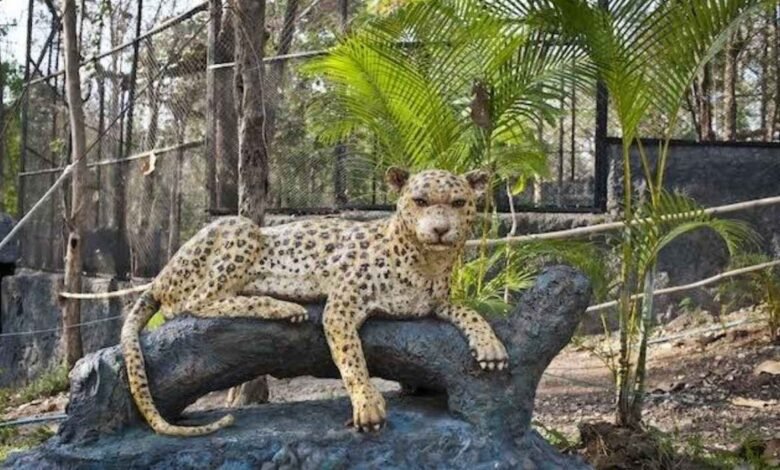
The concept of an artificial zoo represents a ground-breaking shift in modern animal presentation, wildlife protection, and ecological display methodologies. Modern technology enables scientists, engineers, and conservationists to design complete virtual environments, holographic exhibits, and robotic habitats that provide deep educational experiences without holding living creatures captive. By combining augmented reality, artificial intelligence, and physical animatronic engineering, these sanctuaries offer accessible wildlife education across the globe. Exploring this digital frontier reveals how synthetic animal exhibits safeguard delicate biodiversity while fundamentally transforming traditional zoo operations forever.
Quick Bio
| Attribute | Details |
| Concept Name | Artificial Zoo |
| Primary Focus | Digital Wildlife Conservation & Technology |
| Key Technologies | AR, VR, Holograms, Animatronics, AI |
| Main Objective | Protecting Living Animals & Enhancing Education |
| Global Reach | Digital Networks, Mobile Apps, Science Museums |
Understanding the Synthetic Wildlife Revolution
The concept of an artificial zoo represents a modern leap in animal conservation, substituting traditional cages with advanced virtual reality, robotics, and interactive holographic digital systems. Visitors can observe life-sized simulated creatures behaving naturally inside meticulously generated biomes without disturbing real fauna. Engineers utilize complex computer algorithms and soft robotics to replicate authentic physical movements, realistic vocalizations, and accurate anatomical details. As ethical concerns over animal captivity increase worldwide, this digital sanctuary alternative gains widespread adoption, proving that meaningful ecological education can thrive alongside advanced technology while respecting animal freedom.
Ethical Advantages over Traditional Animal Captivity
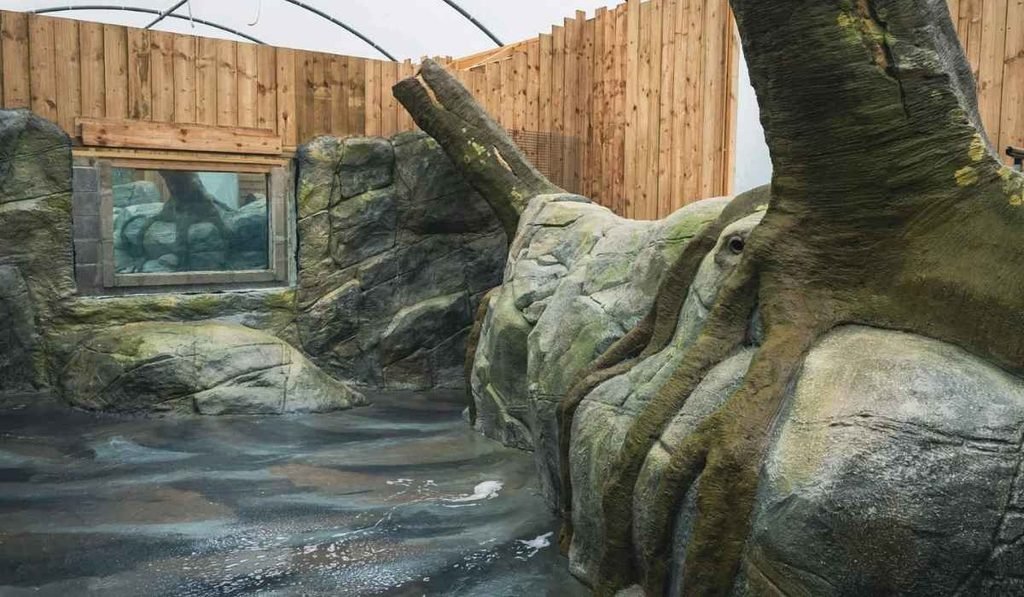
Transitioning toward an artificial zoo eliminates major ethical issues associated with keeping wild, large, or ocean-dwelling species in confined enclosures. Traditional zoological gardens often struggle with restricted space, severe psychological stress, dietary limitations, and artificial climate conditions that harm sensitive wild animals. Digital environments guarantee that no living animal suffers stress, injury, confinement, or unnatural living conditions for public entertainment. Families can engage with endangered creatures guilt-free, knowing their educational ticket purchases support ethical technological innovation and global wildlife preservation rather than keeping magnificent biological organisms locked inside concrete and iron cages.
Holographic Displays and Augmented Reality Innovations
Integrating light-based holograms allows an artificial zoo to display gigantic land mammals, marine life, and extinct pre-historic beasts in crisp three-dimensional detail. Augmented reality headsets enable visitors to walk alongside dynamic digital fauna, observing complex biological behaviors up close safely. These advanced optics projection systems create life-sized visual models that react instantly to visitor movements, gestures, and voice inputs. Unlike static textbook images or screen displays, holographic technology preserves realistic spatial dimensions, allowing students and researchers to examine intricate physical features, hide patterns, and muscular structure in motion across varied habitats seamlessly.
Animatronic Engineering and Soft Robotics Application
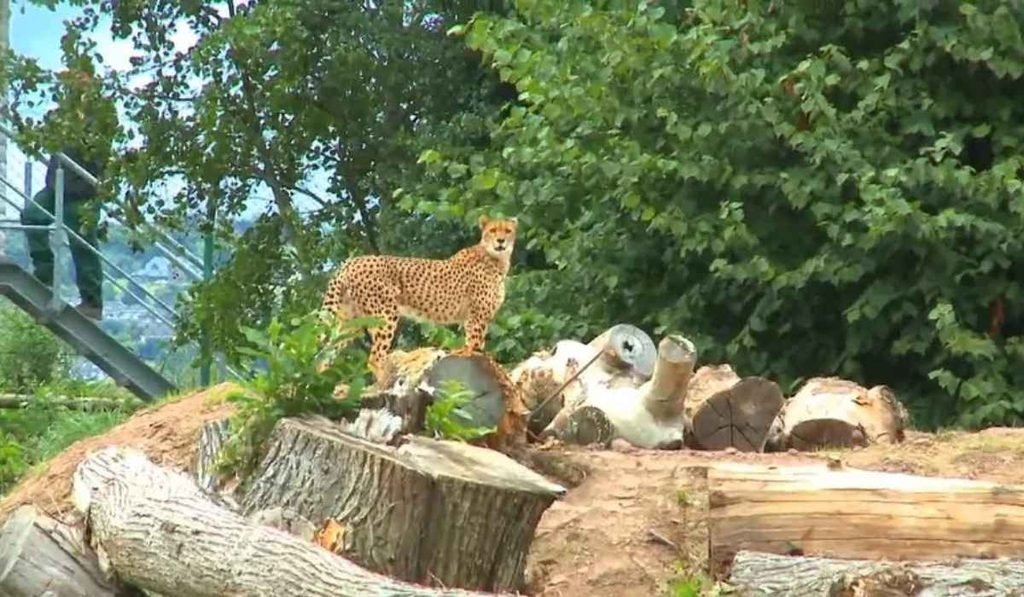
Physical engineering within an artificial zoo utilizes pneumatic actuators, flexible silicone skins, and micro-sensors to construct astonishingly realistic animatronic biological substitutes. Engineers design these mechanical animals to reproduce exact anatomical movements, breathing rhythms, and behavioral patterns indistinguishable from biological organisms. Soft robotics allows safe physical contact, giving curious children opportunities to touch synthetic fur, scales, or skin without bite hazards. These mechanical creatures withstand continuous operation, varying climate shifts, and heavy human handling while saving millions in veterinary care, food supplies, habitat maintenance, and specialized zoological keeper salaries long term.
Simulating Extinct and Deep-Sea Species Habitats
A major benefit of an artificial zoo is its unique capacity to recreate extinct animals and dangerous deep-sea organisms seamlessly. Viewers can observe woolly mammoths, dodos, dinosaurs, and abyssal marine life that cannot survive inside traditional terrestrial enclosures. Interactive computer graphics render deep-ocean trench ecosystems, prehistoric tundras, and dense ancient rainforests in breathtaking digital clarity. This capability turns static palaeontology lessons into active visual journeys, allowing humans to examine evolutionary history firsthand while understanding how sudden climate shifts and past human activity wiped out fragile biological species across historical geological eras.
Interactive Educational Software for Young Learners
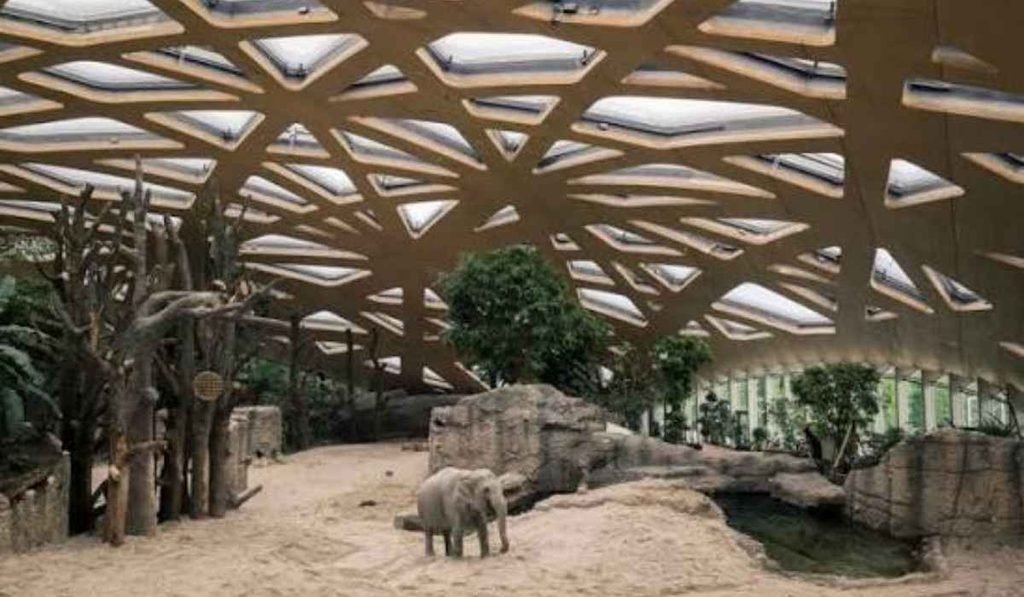
Modern children visiting an artificial zoo encounter engaging gamified learning interfaces that encourage active ecological participation and environmental literacy. Touchscreen terminals, virtual cameras, and interactive quizzes allow students to analyze animal genetics, diet requirements, tracking paths, and migration routes dynamically. Rather than watching sleeping animals behind glass, young visitors actively run digital simulations that highlight ecosystem interdependence, environmental threats, and predator-prey dynamics. By converting passive observations into energetic educational challenges, synthetic facilities inspire future scientists, marine biologists, environmental engineers, and dedicated wildlife conservationists to solve real planetary challenges.
Reducing Global Maintenance and Operational Expenditures
Operating a physical facility like an artificial zoo drastically lowers recurring financial demands compared to maintaining biological animal sanctuaries. Facilities completely bypass expensive daily meat supplies, specialized veterinary care, live feeding protocols, waste management, and dangerous escape security precautions. Instead, financial capital focuses directly on software upgrades, visual projector maintenance, robotic servicing, and immersive display enhancements. Lower operational overhead permits facilities to offer cheaper admission prices, expanding community accessibility while directing saved capital toward genuine wild habitat preservation projects, rainforest restoration initiatives, and anti-poaching field patrols globally.
Global Accessibility via Remote Virtual Reality
Distance no longer restricts learning when an artificial zoo deploys cloud-based virtual reality streaming to classrooms, hospitals, and remote communities worldwide. Students wearing affordable headset displays can explore African savannas, Amazonian rainforests, or Arctic tundras together in real-time regardless of physical location. This eliminates costly travel expenses, long transportation logistics, and mobility barriers for disabled visitors who struggle navigating huge outdoor parks. Democratizing wildlife access ensures every student gains equal educational opportunities, building global empathy for fragile biomes and remote wildlife populations without increasing carbon footprints through physical travel.
Preserving Natural Ecosystems Through Reduced Capture
Constructing a digital artificial zoo directly protects delicate wild habitats by ending the demand for capturing live animals for public exhibition. Historically, snatching rare specimens from natural biomes fragmented wild breeding populations, disrupted delicate local food webs, and caused extreme stress during transportation. Utilizing digital renders, software simulations, and mechanical replacements eliminates commercial demand for exotic wild animal trafficking completely. Wild animals remain in their natural habitats undisturbed, allowing delicate ecosystems to recover naturally while humans study digitally duplicated biological counterparts safely inside modern tech-driven urban centers.
Artificial Intelligence and Realistic Behavioral Modeling
Integrating artificial intelligence allows creatures inside an artificial zoo to exhibit authentic, unpredictable biological behaviors and realistic environmental responses. Advanced neural networks process real-time visitor interactions, causing digital animals to inspect onlookers, hide, sleep, or play dynamically. These simulated entities learn from their digital surroundings, forming social herds, establishing territory, and hunting virtual prey convincingly. Researchers analyze these complex AI algorithms to simulate ecological scenarios, predicting how real wildlife populations might react to deforestation, shifting temperatures, urban expansion, and habitat fragmentation before these catastrophic ecological disruptions occur in nature.
Environmental Sustainability and Eco-Friendly Infrastructure
Building a modern artificial zoo aligns perfectly with global green architecture standards, reducing overall environmental impact and carbon footprints drastically. Digital exhibits require far less land area than massive outdoor enclosures, allowing facilities to operate inside repurposed urban buildings efficiently. Powered by renewable solar panels, energy-efficient LED projectors, and low-wattage processors, synthetic facilities consume significantly less water and electricity than traditional parks. Furthermore, eliminating thousands of tons of daily animal waste prevents local soil contamination and water pollution, creating a genuinely sustainable educational business model.
Overcoming Human Safety Hazards and Animal Attacks
Safety stands as a paramount advantage when operating an artificial zoo, completely eliminating dangerous animal escapes, bites, scratches, and fatal attacks. Visitors can interact closely with apex predators like polar bears, lions, and venomous reptiles without physical protective barriers or life-threatening risks. Similarly, zero risk exists regarding zoonotic disease transmission, preventing rabies, bird flu, or viral outbreaks from jumping between wild animals and human crowds. Families enjoy total peace of mind while exploring high-intensity wildlife encounters, ensuring a safe, stress-free educational environment for toddlers, school groups, and senior citizens alike.
Preserving Biodiversity Data in Digital Gene Banks
An advanced artificial zoo functions as a comprehensive digital repository, cataloging precise anatomical, genomic, and behavioral data for endangered planetary species. High-resolution 3D laser scans capture exact physical dimensions, coat patterns, and muscle structures before vulnerable species vanish from the wild completely. This preserved digital heritage guarantees future generations can study lost biodiversity in lifelike detail even if catastrophic climate change wipes out wild habitats. These complete digital profiles also aid genetic scientists and bio-engineers working on rewilding programs, de-extinction research, and planetary ecological restoration efforts.
Customizable Biomes and Dynamic Climate Control
Exhibits inside an artificial zoo change environmental parameters instantly, switching from scorching African deserts to frozen polar biomes at the touch of a button. High-definition projection mapping, thermal climate control, synthetic scent dispensers, and directional audio recreate immersive natural atmospheres flawlessly. Visitors experience ambient temperature shifts, realistic wind gusts, and natural scents that match the displayed animal habitat. This flexibility enables small facilities to showcase diverse global ecosystems in a single hall, maximizing space efficiency while delivering rich multi-sensory educational journeys impossible in static physical enclosures.
Integration with Global Conservation Initiatives
A forward-thinking artificial zoo donates a major percentage of ticket sales directly to real-world habitat conservation, anti-poaching forces, and reforestation drives. Displays include real-time donation stations, live satellite tracking maps, and direct links to field scientists working in national parks globally. Visitors see exactly how their contributions fund satellite collars, ranger gear, ocean cleanup drones, and habitat corridors. Connecting digital entertainment with immediate ecological action transforms casual tourists into active global conservationists, ensuring synthetic exhibits directly defend living wildlife roaming wild habitats across the planet.
Addressing Psychological Stress in Captive Fauna
Replacing live exhibits with an artificial zoo prevents severe psychological trauma, stereotypy, repetitive pacing, and depression observed in captive wild animals. Wild creatures evolved over millions of years to roam vast territories, hunt freely, and make independent choices impossible within artificial concrete enclosures. Confinement frequently leads to self-mutilation, weakened immune systems, and aggressive behavioral disorders caused by constant human noise and artificial glass walls. Synthetic exhibits deliver complete visual and educational fidelity to human audiences without forcing living sentient creatures to endure lifelong mental suffering inside unnatural enclosures.
The Role of 3D Printing in Animatronic Creation
Modern additive manufacturing streamlines how an artificial zoo manufactures highly detailed mechanical animal components, skeletons, and textured exterior skins. Engineers utilize bio-compatible polymers, lightweight carbon fibers, and flexible resins to 3D print exact anatomical duplicates of bones, joints, and muscular structures. Custom CAD designs allow rapid production of lightweight mechanical creatures that move fluidly while reducing manufacturing costs dramatically. Broken parts are easily reprinted and replaced on-site within hours, minimizing exhibit downtime and ensuring continuous operational performance without relying on expensive specialized overseas manufacturing vendors.
Hybrid Zoos and Progressive Transition Strategies
Many historical parks transition gradually toward an artificial zoo structure, adopting hybrid models that blend ethical living sanctuaries with digital display technologies. These facilities phase out large, high-stress migratory species like elephants, whales, and big cats, replacing them with holographic or robotic displays. Meanwhile, physical space opens up to shelter injured local wildlife, native rehabilitation species, and small non-migratory animals. This progressive strategy balances public expectations, preserves historical park culture, and maintains institutional revenue streams while systematically advancing toward an ethical, tech-driven future.
Enhancing Sensory Engagement Through Haptic Tech
Future developments within an artificial zoo leverage advanced haptic feedback gloves, pressure suits, and ultrasound tactile technology to simulate physical touch. Visitors walking through virtual biomes can feel the coarse fur of a grizzly bear, the smooth damp skin of a dolphin, or the heavy vibrations of an elephant rumble. Non-invasive ultrasound arrays project tactile sensations mid-air, creating physical textures without requiring heavy worn gear. This sensory depth deepens emotional connections between humans and nature, creating unforgettable educational encounters that leave lasting psychological impressions on visitors of all ages.
Future Outlook of Tech-Driven Wildlife Sanctuaries
The rapid growth of an artificial zoo reflects humanity’s changing relationship with the natural world, prioritizing ethical compassion, technology, and real preservation. As photorealistic graphics, spatial computing, artificial intelligence, and soft robotics continue advancing, synthetic wildlife experiences will become indistinguishable from physical encounters. Future generations will look back at animal caging as an outdated historical practice. By embracing digital innovation, society safeguards biological species in their true wild homes while enjoying unlimited, safe, and deeply educational encounters with the majestic fauna of our shared planet.
FAQs
- What is an artificial zoo?
- An artificial zoo is a tech-driven facility that displays digital, holographic, or robotic animals instead of living captive species.
- How do synthetic wildlife exhibits help real animals?
- Synthetic exhibits reduce capture demand, prevent captivity stress, and fund real-world habitat preservation projects globally.
- Are mechanical animatronic animals safe for children to touch?
- Modern animatronic animals utilize soft robotics and flexible silicone skins, making physical interaction completely safe for all visitors.
- Can digital facilities display extinct animal species?
- Advanced software and 3D modeling allow digital exhibits to recreate extinct creatures like mammoths and dinosaurs in life-sized detail.
- Do digital exhibits cost less to maintain than traditional parks?
- Digital facilities save millions by eliminating food costs, veterinary bills, large outdoor enclosures, and animal waste management procedures.