
Nahttypen: 7 Best Amazing Ultimate Nail Designs & Powerful Care Tips
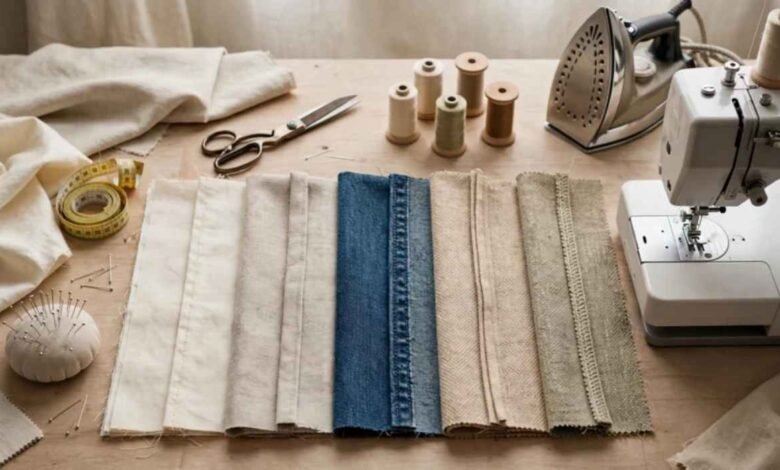
Nahttypen play a crucial role in textile manufacturing, as they significantly determine the appearance, durability, and elasticity of any garment. In modern sewing technology, various connections are utilized to join different fabrics effectively. Whether working with delicate silk, heavy denim, or stretchy activewear, selecting the appropriate joining method is essential for the final product. Professional tailors and hobbyists must understand the properties of every stitch to achieve durable and visually appealing results. In the following sections, we will thoroughly analyze the most important joining methods and explain their specific practical application areas in detail.
Quick Bio
| Properties | Details |
|---|---|
| Main Topic | Classification and application of Nahttypen in textile engineering |
| Focus Keyword | Nahttypen |
| Standardization | DIN EN ISO 4915 |
| Primary Categories | Lockstitch, Zigzag stitch, Overlock stitch, Chainstitch |
| Application Areas | Apparel industry, Upholstery, Technical textiles, Crafting |
Fundamental Definitions and Standardization of Stitches
The international classification of various Nahttypen is conducted according to strict global standards such as DIN EN ISO 4915 to ensure uniform communication across the textile industry. This standardization divides stitches into distinct classes based on the thread path combination and the total number of threads used. A precise understanding of these standards helps manufacturers design production efficiently while maintaining fabric quality. Consequently, machines can be set up optimally to adapt production processes seamlessly to specific material requirements, which drastically reduces manufacturing errors during large-scale industrial operations.
The Importance of Selecting the Proper Sewing Connection
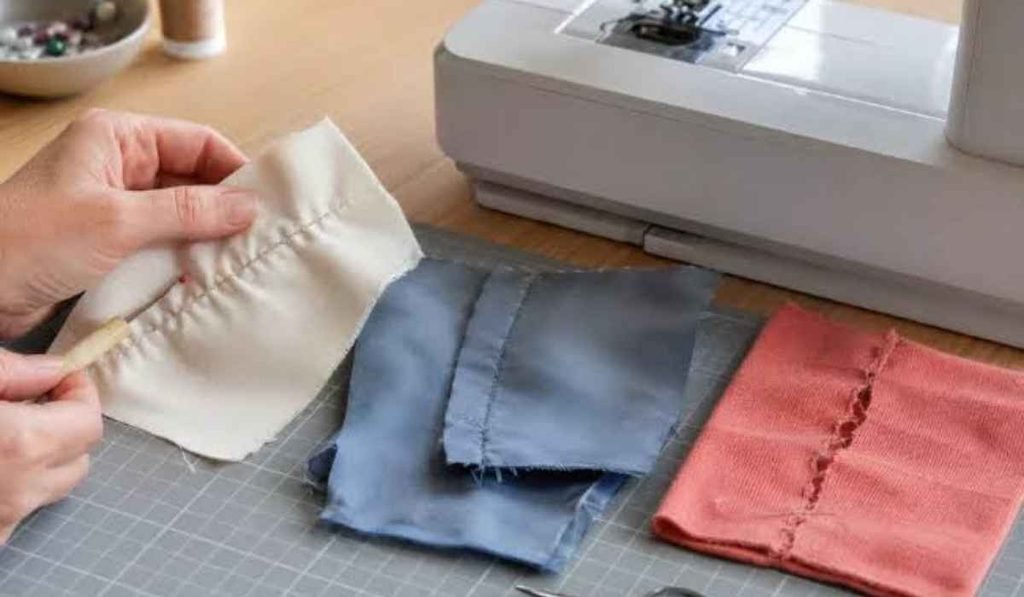
In apparel manufacturing, selecting appropriate Nahttypen represents a critical factor that directly influences both garment aesthetics and structural functionality. Selecting an incorrect seam construction can cause fabric puckering or tearing under stress. Functional activewear requires high elasticity, whereas heavy workwear prioritizes tensile strength. Fashion designers must consider during pattern creation which stitch method best suits the intended fabric to guarantee long-term durability under daily wear. Making informed choices early in design prevents structural failure, optimizes thread consumption, and significantly improves customer satisfaction across diverse clothing categories.
The Classic Lockstitch for Durable and Stable Fabrics
The classic lockstitch remains among the most common Nahttypen utilized throughout the global garment manufacturing industry due to its incredible strength. It is formed by interlocking the upper thread and lower bobbin thread directly inside the middle of the fabric layers. This stitch provides a clean appearance on both sides of the material, making it ideal for woven, non-stretch fabrics. Although it offers minimal stretchiness, it is preferred for constructing formal shirts, tailored blouses, and woven trousers where maximum seam security and neat edge finishes are required.
Versatility of the Zigzag Stitch in Everyday Sewing
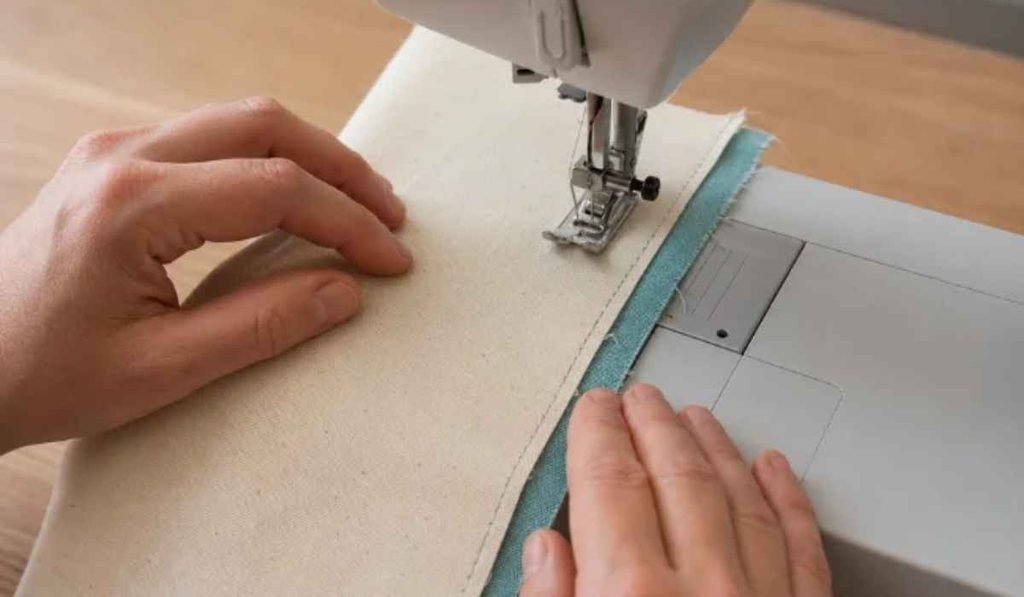
The zigzag stitch is one of the most versatile Nahttypen available on home sewing machines and industrial setups alike. By moving the needle side to side, it creates a flexible seam that stretches along with the fabric without snapping the threads. Beyond neatening raw fabric edges, this stitch is widely used for attaching appliqués, sewing elastic bands, and repairing tears. Its inherent flexibility makes it an excellent choice for lightweight knits and dynamic textiles that experience continuous movement and tension throughout daily garment usage.
Overlock Connections for Professional Edge Finishing
In ready-to-wear garment manufacturing, overlock stitches represent indispensable Nahttypen because they trim, stitch, and finish fabric edges simultaneously in a single operation. This edge-finishing method prevents raw woven edges from fraying while creating a exceptionally clean interior appearance. The looping thread structure around the fabric edge allows high stretchability, which makes this method ideal for T-shirts, sweaters, and underwear. Industrial overlock machines operate at remarkable speeds, ensuring highly economic production runs across large-scale commercial apparel manufacturing plants globally.
Chainstitch Procedures for Stretchable and High-Stress Fabrics
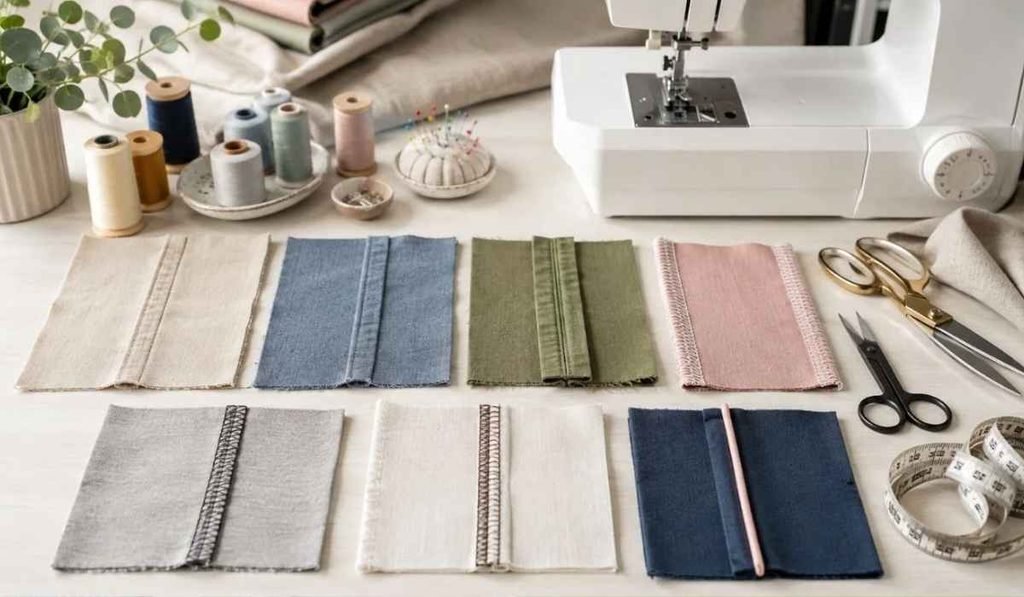
The chainstitch procedure belongs to dynamic Nahttypen where the thread loops beneath the fabric to form a chain-like structure. This creates a flexible seam capable of enduring substantial mechanical strain without breaking. A well-known application includes sewing denim jeans, specifically along structural inseams. The primary advantage lies in rapid production speed and seam flexibility; however, a broken thread can unravel easily, making proper thread locking at seam ends absolutely mandatory during garment assembly.
Flatlock Seams for Maximum Comfort in Activewear
In modern sportswear and functional athletic clothing, flat Nahttypen play a central role by eliminating skin irritation caused by bulky seam allowances. In this technique, fabric raw edges are placed butt-to-butt and stitched together flat using multiple threads, creating zero internal bulk. This construction is extremely flat, highly elastic, and remarkably durable against intense tension. Athletes benefit from superior comfort against the skin, while manufacturers can produce premium performance apparel that meets rigorous demands of professional sports markets.
The Safety Seam as a Combination of Two Stitches
A safety seam combines two distinct Nahttypen into a single production pass to guarantee maximum durability in high-stress apparel items. It typically consists of a two-thread chainstitch for structural integrity running parallel to a multi-thread overlock stitch for edge finishing. This combination is extensively applied to trousers, heavy workwear, and denim garments requiring extra security against bursting. Utilizing multi-needle industrial machinery allows manufacturers to execute this robust seam efficiently and cost-effectively during automated mass production cycles.
Decorative Stitch Formations for Aesthetic Accents
Beyond purely functional purposes, specific Nahttypen serve as decorative visual elements across fabric surfaces to enhance overall garment aesthetics. Decorative seams like shell tucks, pintucks, or contrasting topstitching add distinct personality and emphasize garment construction lines. Creating these decorative stitches requires precise machine calibration and specialized threads to maintain consistent pattern geometry. Fashion designers frequently implement these visual techniques on leather jackets, denim wear, and high-end womenswear to elevate the perceived value of finished garments.
Elastic Stitch Variations for Highly Stretchable Textiles
For extremely elastic fabrics like spandex, Lycra, or rib knits, specialized flexible Nahttypen are required to accommodate extreme fabric extension. Applying a rigid, unyielding stitch to stretchable material causes immediate thread breakage upon minimal tension. Utilizing triple zigzag stitches or coverstitches preserves full fabric elasticity under extreme movement. This requirement is paramount in swimwear, gymnastics wear, and athletic leggings, where seams undergo continuous stretching while needing to recover their original shape perfectly without distorting.
Technical Textiles and Their Specialized Seam Requirements
Within technical textiles, highly specialized Nahttypenare deployed to withstand extreme environmental conditions, chemical exposure, or intense mechanical loads. Examples include automotive airbags, industrial filtration media, sails, and firefighter protective gear. Here, structural strength, gas tightness, and heat resistance take absolute priority over decorative appearance. These seams are frequently sealed with special seam-taping films or constructed using high-performance aramid threads. Careful selection of stitching parameters is safety-critical in this sector, requiring stringent testing procedures.
The Impact of Needle Selection on Stitching Results
Choosing the correct sewing needle profoundly impacts the performance of various Nahttypen by preventing skipped stitches or fabric damage. Fine silk fabrics require thin, sharp needles, whereas heavy leather goods require cutting-point needles to pierce dense material cleanly. For knitted fabrics, ballpoint needles prevent fiber breakage by gently pushing threads aside rather than piercing them. Using an improper needle type ruins seam appearance and causes frequent thread breakage, making proper needle selection essential for every sewing project.
Influence of Thread Tension on Overall Seam Quality
Proper thread tension forms the basic foundation for successfully executing all Nahttypen, as it balances upper and lower threads perfectly within the material. High thread tension causes fabric puckering and leads to premature seam rupture under light strain. Conversely, insufficient tension produces loose thread loops that compromise structural integrity. Professional operators always inspect stitch formation on test fabric swatches prior to production runs, adjusting tension dials carefully to match specific thread weights and material thicknesses.
Leather Working and Its Specialized Stitch Requirements
Leather differs fundamentally from woven textiles, requiring unique Nahttypen that do not weaken the natural hide material. Because every needle perforation remains permanently visible and can tear under load, longer stitch lengths must be selected carefully. Additionally, welted seams or heavy-duty topstitching with high-tenacity synthetic threads are frequently utilized. Specialized leather sewing machines feature compound feed mechanisms to transport heavy materials evenly, producing clean, extraordinarily robust connections for footwear, handbags, and leather outerwear.
Automated Sewing Technology in Modern Manufacturing
In industrial garment production, creating complex Nahttypen is increasingly handled by computer-controlled sewing automatons and programmable robotic workstations. These advanced systems deliver consistent quality and precise repeatability at high operating speeds. Automatic sewing units excel at manufacturing shirt collars, attachment pockets, and intricate decorative patterns on denim. Furthermore, digital integration permits rapid pattern switching and optimizes thread usage, which significantly improves overall manufacturing efficiency and reduces operational costs across the modern textile supply chain.
Traditional Hand Sewing Techniques in Custom Tailoring
Despite advanced industrial automation, traditional Nahttypen executed by hand retain an irreplaceable position within haute couture and bespoke tailoring. Stitches like the catch stitch, basting stitch, or blind hem stitch allow delicate manipulations unachievable on standard sewing machines. Hand stitching offers unmatched control, enabling tailors to craft invisible hem finishes and subtle structural shaping inside luxury garments. This artisan handcrafting infuses custom-tailored apparel with exclusive quality and unmatched elegance appreciated by discerning clients worldwide.
Sustainability and Repairability of Textile Connections
From a sustainability perspective, the repairability of different Nahttypen is becoming increasingly important throughout the global fashion industry. Accessible, well-constructed seams allow consumers to repair or alter damaged clothing easily rather than discarding items prematurely. Conversely, overly complex seams that resist disassembly hinder efficient garment recycling. Textile manufacturers are encouraged to adopt durable yet repair-friendly stitch configurations, reducing fashion waste and actively supporting circular economy principles within global textile markets.
Troubleshooting Defective Stitch Formations During Production
When defective seam formation occurs, operators must systematically evaluate the selected Nahttypen to identify root causes efficiently. Thread breakage, skipped stitches, or uneven thread consumption often indicate dull needles, incorrect threading paths, or improper thread sizing. Accumulated lint within the shuttle race can also severely disrupt stitch formation. Regular machine maintenance, cleaning, and preliminary testing on scrap fabrics effectively prevent production delays while maintaining consistent quality standards across all manufacturing batches.
Future Developments in Textile Joining Technologies
Researchers in textile engineering continuously develop innovative Nahttypen designed to complement advanced high-tech materials and smart fabrics. These include adaptive seams that respond to temperature shifts or conductive stitch formations incorporating smart threads for integrated electronics. Such functional textiles require novel approaches to seam construction, balancing electronic connectivity with flexibility and wearable comfort. Ongoing advancements in thread technology and sewing machinery ensure that joining techniques remain a vibrant domain of innovation within the global textile industry.
Summary and Outlook on Modern Sewing Technology
In summary, the vast diversity of Nahttypen forms the cornerstone of successful, high-quality garment manufacturing worldwide. From simple lockstitches for daily apparel to complex safety seams and technical joins, every stitch pattern fulfills a distinct functional role. Gaining a thorough understanding of these methods enables designers and manufacturers to produce garments that excel in both performance and aesthetics. For additional information regarding geometric thread structures and looping principles, consulting the informational article on loops provides valuable theoretical context regarding thread intersections.
FAQs
- What are Nahttypen in textile engineering?
- Nahttypen are standardized methods for joining fabrics using specific thread configurations.
- Which stitch type is strongest for non-stretch fabrics?
- The classic lockstitch provides exceptional strength and stability for woven, unyielding materials.
- Why are overlock stitches preferred for stretch fabrics?
- Overlock stitches loosely bind fabric edges, offering high elasticity without thread snapping.
- How do flatlock seams differ from standard seams?
- Flatlock seams join fabric edges butt-to-butt without creating raised interior seam allowances.
- Which standard regulates the classification of stitches?
- The international classification of stitch configurations is governed by DIN EN ISO 4915.