
Top 10 Shocking Facts About Julie Farrait: The Ultimate True Crime Story
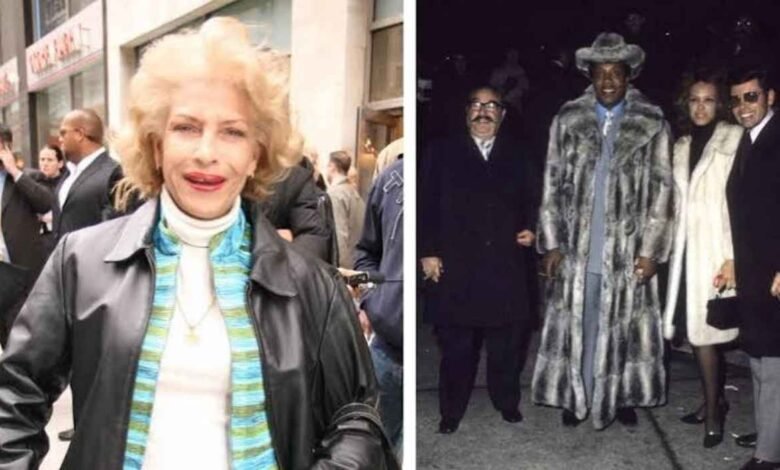
The story of julie farrait remains an intriguing chapter in true-crime history, widely recognized due to her connection with the late Harlem drug kingpin Frank Lucas. Born in Puerto Rico, she transitioned from a quiet island upbringing into a lavish, high-stakes lifestyle in New York during the late 1960s and 1970s. Over the decades, media outlets, books, and Hollywood films have depicted her intense life story, highlighting her legal troubles, family struggles, and ultimate adaptation to public scrutiny. Examining her narrative offers valuable insight into the personal complexities behind high-profile historical crime figures.
Quick Bio
Julianna “Julie” Farrait was born around 1941 in Puerto Rico. She rose to public prominence after marrying Harlem drug kingpin Frank Lucas in 1967, embarking on a life marked by extreme luxury and severe legal challenges. She faced multiple convictions and prison sentences related to narcotics law violations and obstruction of justice. She is the mother of several children, including daughter Francine Lucas-Sinclair. Her life inspired the character “Eva” in Ridley Scott’s 2007 biographical crime film American Gangster.
Early Life in Puerto Rico
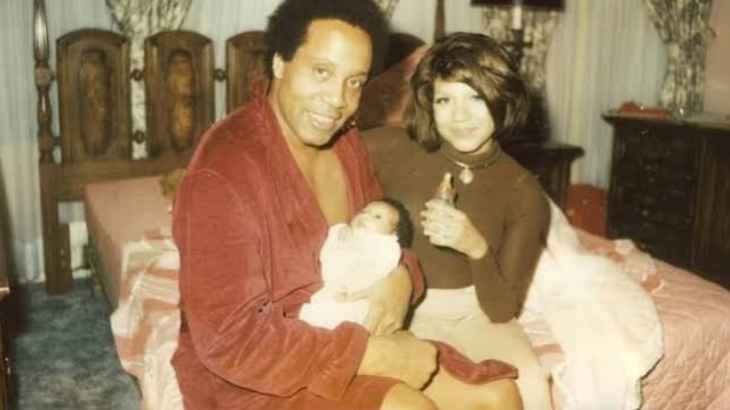
Before becoming known to the wider public, julie farrait spent her early years living in relative anonymity within San Juan, Puerto Rico. Raised in a modest environment, she focused on her local schooling and community events during her youth. In her early adulthood, her striking appearance led to her being crowned a local homecoming queen, establishing her popularity within her immediate peer group. Her quiet island existence changed dramatically after a chance meeting on a commercial flight shifted her path toward New York City, introducing her to a vastly different socioeconomic environment.
Meeting Frank Lucas on a Flight
The initial meeting between julie farrait and Frank Lucas took place in the mid-1960s during a first-class flight from Puerto Rico to New York. Lucas, an emerging power figure in Harlem’s organized crime network, was immediately captivated by her presence and confident demeanor. They reconnected at a local club shortly after landing, initiating a rapid romance that quickly led to marriage in 1967. Her marriage immersed her directly into a world of massive wealth, high-profile social events, and dangerous illicit operations that altered her personal destiny forever.
The Height of Luxury and Extravagance
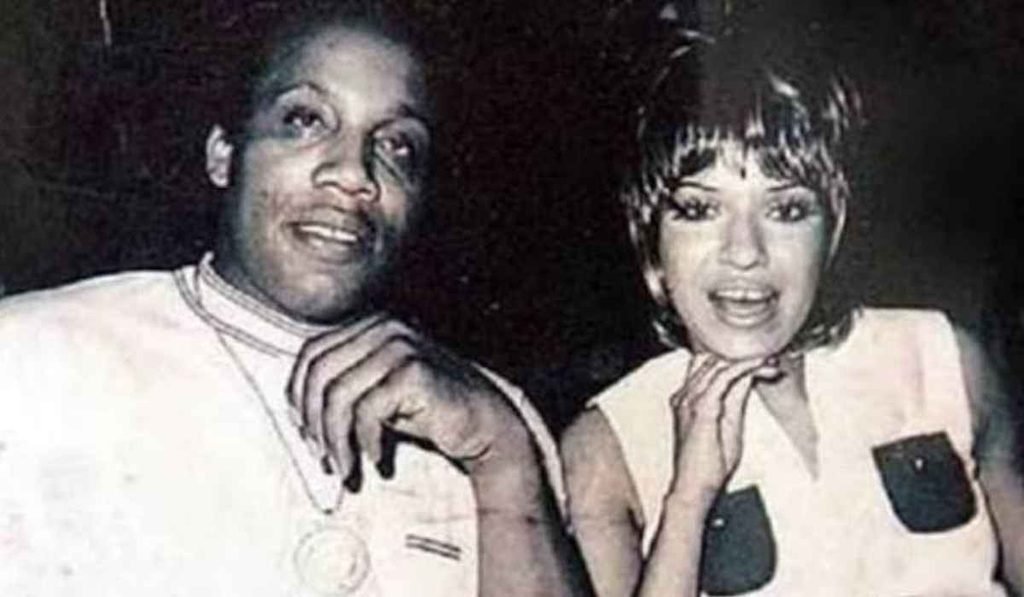
During the late 1960s and early 1970s, julie farrait experienced an extraordinarily opulent lifestyle funded by her husband’s illegal enterprise. Her wardrobe featured expensive haute couture, fine jewelry, and rare fur coats presented to her as extravagant gifts. The couple frequented high-profile public events, including major boxing matches in New York, where their ostentatious attire consistently drew public attention. This visible display of extreme wealth helped cement their status in pop culture, but it simultaneously drew heavy law enforcement scrutiny, accelerating the federal investigations targeting their household operations.
The Infamous Chinchilla Coat Incident
A turning point in public history involving julie farrait occurred during the 1971 Muhammad Ali vs. Joe Frazier fight at Madison Square Garden. She gifted her husband a $100,000 floor-length chinchilla coat paired with a matching $25,000 hat, placing him in full view of undercover federal agents. Sitting in better arena seats than high-ranking government officials, their overt display of wealth solidified federal suspicions. Investigators used this public appearance to intensify surveillance efforts, marking the beginning of the end for their opulent lifestyle and underlying criminal operations.
The 1975 Federal Home Raid

In January 1975, federal agents and police officers executed a surprise raid on the New Jersey home of julie farrait and her husband. During the chaotic law enforcement entry, she attempted to protect their assets by throwing suitcases containing over $500,000 in cash out of a window. Authorities arrested both spouses, leading to immediate legal consequences and asset seizures. Her active obstruction efforts during the raid resulted in her receiving a six-month prison sentence, serving as her first major direct confrontation with the American justice system.
Initial Convictions and Prison Time
Following the 1975 police raid, julie farrait faced mounting legal challenges as her husband received a heavy 70-year prison sentence. After serving her initial sentence for hindering law enforcement, she struggled to maintain family stability while living under federal law enforcement surveillance. She eventually faced additional federal charges related to narcotics distribution in the late 1970s, leading to a four-and-a-half-year prison sentence. These early convictions permanently separated her from her young children, creating long-standing personal hardship and domestic disruption across her extended family.
Impact on Family and Children
The continuous legal struggles surrounding julie farrait deeply affected her children, particularly her young daughter Francine Lucas-Sinclair. With both parents incarcerated at various intervals, the children were sent to live with maternal grandparents in Puerto Rico or placed in foster arrangements. Francine later established an organization named Yellow Brick Road to support children facing similar situations with incarcerated parents. The emotional strain on her offspring remains one of the most visible personal legacies resulting from her years involved in high-stakes illegal activities.
Living in Witness Protection
After her husband cooperated with federal prosecutors to reduce his long prison sentence, julie farrait and her family entered the Witness Protection Program in 1977. Relocating under assumed identities provided physical safety from former associates, but it required abandoning past ties, extended family members, and personal history entirely. Living under strict anonymity proved challenging for her after years of living in the public eye. The period of government protection offered brief stability before subsequent legal issues disrupted her family environment once again.
Temporary Separation and Reunion
Following their initial releases from federal custody, julie farrait spent several years living separately from Frank Lucas in Puerto Rico. The emotional weight of past incarcerations and financial disruption led to distance between the couple for a prolonged period. However, their enduring personal bond eventually brought them back together in the mid-2000s. Reunited in New Jersey, they chose to live a far quieter life, supporting each other through aging, health challenges, and diminished financial resources in their later years.
Cinematic Depiction in American Gangster
In 2007, the life story of julie farrait reached global audiences through the blockbuster film American Gangster, directed by Ridley Scott. Actress Lymari Nadal portrayed a fictionalized version of her named “Eva,” starring alongside Denzel Washington as Frank Lucas. While the movie dramatized several aspects of her early life—incorrectly labeling her a former “Miss Puerto Rico”—it captured her loyalty and high-fashion lifestyle accurately. The film’s major commercial success renewed public curiosity regarding her true historical role in her husband’s notorious empire.
Portrayal Accuracy Versus Historical Reality
Media profiles comparing the movie character to julie farrait highlight notable differences between Hollywood storytelling and historical fact. Although film screenwriters presented her as an innocent beauty queen unaware of the crime ring, real law enforcement records documented her active participation. She admitted in interviews to being naturally drawn to danger, wealth, and material luxury throughout her adult life. Understanding these distinctions allows readers to evaluate her complex history based on verified legal documentation rather than fictional cinematic entertainment.
The 2010 Arrest in Puerto Rico
Despite her advanced age, julie farrait made national headlines again in May 2010 following an arrest at a hotel in Isla Verde, Puerto Rico. Federal Drug Enforcement Administration (DEA) agents caught her attempting to sell two kilograms of cocaine to an undercover informant. Federal wiretaps revealed her active negotiation of narcotics transactions, surprising legal authorities who had monitored her activities for months. This unexpected legal arrest demonstrated her ongoing struggle to distance herself entirely from past illegal pursuits despite severe past consequences.
Sentencing and Emotional Courtroom Pleas
During her federal court proceedings in Manhattan in 2012, julie farrait delivered a poignant plea to the presiding judge. She expressed deep embarrassment over standing before the court at age 70, asking for leniency so she could care for her ailing 81-year-old husband. Despite her emotional court testimony, Justice Laura Taylor Swain sentenced her to five years in federal prison. The judge emphasized the importance of upholding narcotics laws regardless of age, forcing her to serve another lengthy prison term late in her life.
Death of Frank Lucas in 2019
The long partnership between julie farrait and Frank Lucas concluded with his death on May 30, 2019, at age 88. His passing marked the end of an era for one of America’s most publicized organized crime figures. Attending his funeral service in New Jersey alongside her extended family, she honored their decades-long union. Despite the turbulent periods of incarceration, legal disruption, and public scrutiny, their relationship remained one of the most resilient partnerships in true-crime history.
Maintaining Privacy in Later Years
In the years following her last release from custody, julie farrait chose to live a quiet life out of the public eye. Residing in New Jersey, she avoided granting media interviews or making public appearances related to crime documentaries. Her preference for solitude allowed her to focus on her health, children, and grandchildren away from news headlines. This quiet personal transition reflects her desire for peace after spending decades entangled in high-profile legal controversies.
Public Fascination with True Crime Figures
The enduring public interest in julie farrait highlights broader societal fascination with figures associated with historical organized crime. True-crime enthusiasts continue to read about her life, analyzing how luxury, loyalty, and illegal activities intersected in her personal timeline. Online forums and biographical archives preserve details of her past, examining her choices through sociological and legal perspectives. Her story serves as a classic cautionary study regarding the real human costs hidden behind flashiness and illicit wealth.
Lessons on the Consequences of Crime
Reflecting on the life trajectory of julie farrait provides clear lessons regarding the long-term consequences of illegal pursuits. While early years provided temporary luxury and status, the ultimate result included multiple prison sentences, family displacement, and constant instability. Her path illustrates that material gains achieved through illegal means inevitably lead to personal sacrifice and legal retribution. Her story remains a sobering historical account for those evaluating the true price of criminal endeavors.
The Role of Women in Crime History
Historical analysis of julie farrait highlights the complex roles played by women within male-dominated organized crime networks. Rather than acting purely as a passive bystander, legal records show her active involvement in financial concealment and narcotics logistics. Researchers study her narrative to understand how female accomplices navigated risk, authority, and loyalty within high-stakes criminal environments. Her legacy remains a significant case study within American criminological history.
Preservation of Archival Records
Documentation concerning julie farrait remains preserved across news archives, court transcripts, and federal agency records. Researchers examining 1970s law enforcement methods frequently consult transcripts from her trials and wiretap logs. These primary source materials confirm the factual details of her legal battles, preventing urban legends from replacing historical accuracy. Preserving these archives ensures that future generations can study her narrative through objective historical facts.
Summary of Her Life Narrative
In summary, the life journey of julie farrait represents a dramatic tale of glamour, legal downfall, and personal resilience. From her early beginnings in Puerto Rico to the upper echelons of Harlem pop culture, her path was extraordinary. Her decades alongside Frank Lucas involved immense wealth alongside severe legal consequences. Today, her name remains permanently etched in true-crime history as a central figure in one of America’s most famous crime sagas.
Frequently Asked Questions
- Who was Julie Farrait?
- She was the wife of Harlem drug kingpin Frank Lucas, known for her involvement in his life and legal battles.
- Was Julie Farrait really a Miss Puerto Rico beauty queen?
- No, while she was a local homecoming queen, she never won the official Miss Puerto Rico pageant.
- How many times was Julie Farrait arrested?
- She was arrested and convicted multiple times, including major federal arrests in 1975, the 1980s, and 2010.
- Who portrayed Julie Farrait in the movie American Gangster?
- Actress Lymari Nadal portrayed her character (named “Eva”) in the 2007 film.
- Does Julie Farrait have children?
- Yes, she has children, including her daughter Francine Lucas-Sinclair, who founded an organization supporting children of inmates.