
Inventory Funding Edmonton: How Businesses Can Maintain Stock and Improve Cash Flow
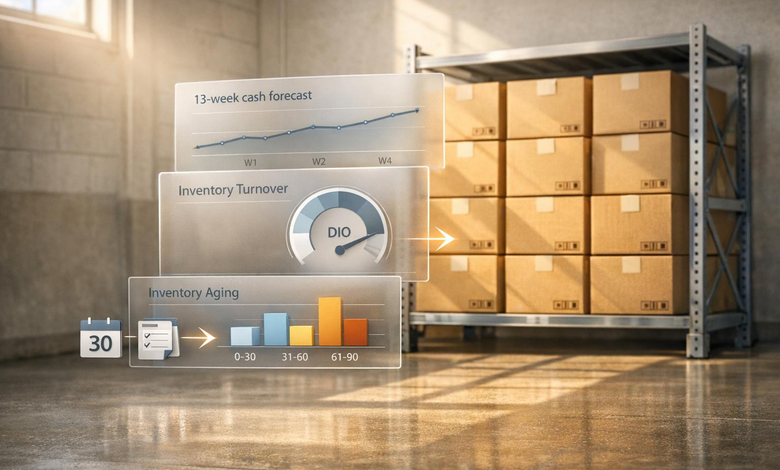
Inventory is essential for businesses that depend on selling physical goods. However, purchasing stock requires capital, and maintaining sufficient inventory can become challenging when customer demand changes or supplier payments arrive before sales revenue.
For retailers, wholesalers, and distributors, inventory funding Edmonton can help address purchasing requirements while preserving working capital for everyday business operations.
Understanding how inventory financing works allows entrepreneurs to plan purchases, manage seasonal demand, and reduce unnecessary financial pressure.
Why Inventory Management Matters for Edmonton Businesses
Edmonton supports a diverse commercial environment that includes retail, construction supplies, automotive businesses, food distribution, and wholesale operations.
These businesses often need to maintain adequate stock to meet customer expectations.
Insufficient inventory can result in missed sales, delayed deliveries, and dissatisfied customers. Excessive inventory, however, ties up capital that could support other operational requirements.
Finding the right balance is essential.
The Connection Between Inventory and Cash Flow
Inventory represents money invested in goods that have not yet been sold.
When businesses purchase stock, cash leaves their accounts before customers generate replacement revenue.
This creates a financial gap that becomes particularly challenging during periods of rapid growth.
Inventory funding Edmonton businesses explore may help manage this gap when expected sales support repayment.
When Should Businesses Consider Inventory Financing?
Different circumstances can create additional inventory requirements.
Preparing for Seasonal Demand
Retailers frequently experience changes in purchasing activity throughout the year.
Businesses may need to increase stock before holidays, promotional periods, or seasonal demand increases.
Financing can help cover advance purchasing requirements without immediately exhausting available cash reserves.
Accepting Larger Customer Orders
A wholesale business might receive an unusually large order but lack sufficient capital to purchase the required goods.
Additional funding may allow the company to fulfill the order while maintaining its existing operations.
However, business owners should confirm customer demand and expected payment arrangements before borrowing.
Managing Supplier Requirements
Some suppliers require upfront deposits or payment before shipping inventory.
This can create challenges for growing businesses that have reliable customers but limited immediate liquidity.
Appropriate financing may help bridge the purchasing period.
How Inventory Financing Works
Inventory financing generally involves obtaining capital to purchase or support stock.
Depending on the arrangement, financing may be secured against eligible inventory or structured around the business’s broader financial performance.
Lenders may evaluate sales history, inventory turnover, financial records, and existing obligations.
Inventory Turnover Is Important
Inventory turnover measures how frequently a business sells and replaces its stock.
Products that sell consistently generally provide a clearer path toward recovering invested capital.
Slow-moving goods create additional risk because repayment obligations may arise before the inventory generates revenue.
Business owners should review historical sales patterns before financing substantial purchases.
Practical Strategies for Managing Inventory Funding
Financing should complement effective inventory management rather than replace it.
Entrepreneurs can improve purchasing decisions by monitoring demand, reviewing supplier arrangements, and identifying products that consistently generate sales.
Avoid Overestimating Demand
Optimistic sales forecasts can encourage businesses to purchase excessive inventory.
If expected demand does not materialize, unsold goods may create storage expenses and repayment difficulties.
Using conservative forecasts can reduce this risk.
Calculate the Complete Financing Cost
Borrowers should examine repayment schedules, applicable fees, financing charges, and any security requirements.
The expected profit from inventory sales should justify the borrowing commitment.
Businesses researching Edmonton business funding guidance should compare financing terms and assess how repayments affect operating cash flow.
Conclusion
Inventory funding Edmonton businesses consider can help support purchasing requirements, seasonal preparation, and larger customer orders.
However, successful inventory financing depends on accurate demand forecasting, disciplined stock management, and realistic repayment planning.
By connecting financing decisions to measurable sales opportunities, Edmonton entrepreneurs can maintain inventory availability while protecting long-term financial stability.