
Is a Breast Uplift Worth It? Scars, Sensation, Breastfeeding and How Long Results Last
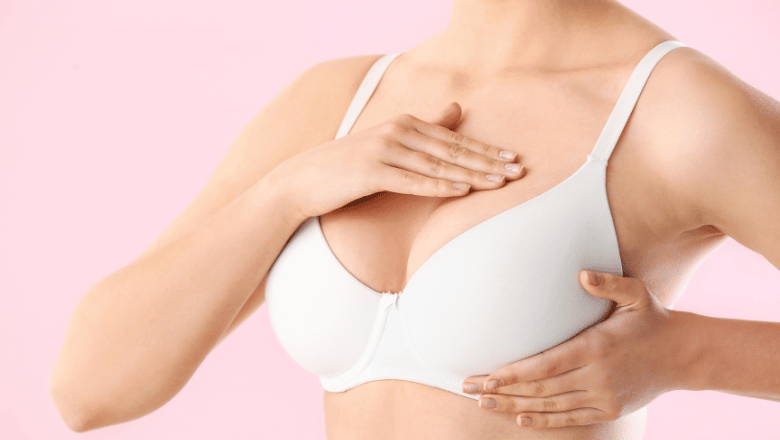
“Is a breast uplift worth it?” is a question only you can answer, but it is much easier to answer once you know the trade-offs. An uplift can restore shape and confidence after pregnancy, weight loss or simply time. In exchange, you accept permanent scars, a period of changed sensation, a possible effect on breastfeeding and a result that will keep ageing with you.
If you are considering a breast uplift Turkey trip, this guide sets out those trade-offs plainly, along with what patients report afterwards, when an uplift becomes a reduction, and how to plan recovery when you are travelling.
What Patients Report Afterwards
The International Society of Aesthetic Plastic Surgery (ISAPS) describes mastopexy, the medical name for a breast lift, as associated with good patient satisfaction and improved self-esteem, with a low rate of complications. Many people say the biggest change is practical rather than visual: clothes fit better, swimwear feels comfortable again and they no longer think about their breasts every time they get dressed.
ISAPS also gives a useful outline of recovery. Breasts may be swollen for four to six weeks, a return to work is usually possible after seven to ten days, and sport can generally resume after six to eight weeks. These are averages. Your own timeline depends on the technique and on whether anything else was done at the same time.
Scars: The Trade You Are Making
Every uplift leaves scars. At the very least, there is a scar around the areola. Larger lifts add a vertical line down to the fold under the breast, and sometimes a horizontal line along the fold as well. In general, the more lifting you need, the longer the scars.
What matters is how they heal:
- The first months. Scars usually look pink or red and may feel firm or itchy.
- Six to eighteen months. They gradually flatten and fade, often to fine pale lines.
- Helping them along. Silicone gel or sheets once the wounds have healed, avoiding tension on the scars and protecting them from the sun all help.
Some people form raised or widened scars regardless of care. If you have had thick scars before, tell your surgeon.
It is worth putting the scars in context too. For most people, they sit in places that are covered by a bra or bikini top, and the vertical and fold scars are usually less noticeable than the change in shape is welcome. Ask to see photos of the surgeon’s own patients at one year or later, not only in the first weeks, so you can judge how their scars typically mature. If you are unsure, discuss whether a shorter-scar technique could still give you an adequate lift, and what you would be giving up in shape if you chose it.
Nipple Sensation
Changes in nipple sensation are common after a lift. Mayo Clinic guidance notes that sensation typically returns within several weeks, although some loss of feeling may be permanent, and erotic sensation is usually not affected. ISAPS also describes these changes as usually temporary.
Occasionally the opposite happens, and nipples feel oversensitive for a while as nerves recover. A very rare but serious complication is partial or complete loss of the nipple or areola if its blood supply is interrupted. Smoking significantly raises this risk, which is one reason surgeons ask you to stop well before surgery.
Breastfeeding After an Uplift
If you may want children in future, this deserves careful thought. Mayo Clinic notes that breastfeeding is usually possible after a breast lift, but that some people have trouble producing enough milk.
A 2024 French study published in Annales de Chirurgie Plastique Esthétique compared women who had a breast reduction or lift. Among those who had a pregnancy before surgery, 82% breastfed successfully. Among those whose pregnancy came after surgery, the figure was 41%. The study was small and retrospective, but it is a useful reminder that surgery can affect milk supply.
Pregnancy itself also stretches the breasts again, which can undo part of the lift. For both reasons, many surgeons suggest waiting until your family is complete.
When an Uplift Becomes a Reduction
Some people searching for an uplift actually need a reduction as well. If your breasts are heavy and cause neck, shoulder or back pain, grooves from bra straps or rashes under the fold, simply lifting them may not be enough. A reduction removes breast tissue and lifts the breast in the same operation, using very similar incisions.
The two procedures overlap so much that the distinction is often one of degree. Be honest with your surgeon about any physical symptoms, as well as how you want to look, so the plan addresses both.
How Long the Lift Lasts
An uplift is long-lasting, but not permanent. ISAPS notes that new pregnancies, breastfeeding, weight changes and ageing can all speed up the return of sagging. Large implants placed at the same time add weight that can have the same effect.
You can help your result last by keeping your weight stable, wearing supportive bras, particularly during exercise, and planning the uplift for after you have finished having children.
Planning Recovery Abroad
NHS guidance suggests waiting five to seven days after breast surgery before flying, and your surgeon may ask you to stay longer. When planning your trip:
- Allow time for a check-up before you fly and, if needed, removal of stitches.
- Pack front-opening tops, as lifting your arms is uncomfortable at first.
- Bring or buy a surgical bra in the size your surgeon recommends, and a spare.
- Travel with a companion if possible.
- Ask for a named contact for questions once you are home.
Questions to Ask at Your Consultation
- Which lift technique do you recommend, and where exactly will the scars be?
- Do I need a lift alone, or would a reduction or implant serve me better?
- How might the operation affect nipple sensation and breastfeeding?
- What can I do to help my scars heal well?
- How long should I stay before flying, and who will review me at home?
- How long do you expect the result to last, given my age, weight and plans?
A breast uplift Turkey decision that weighs scars, sensation, breastfeeding and longevity alongside the change in shape is one you are far more likely to be happy with years from now. Know the trade-offs, time it well, and choose a surgeon who discusses all of them openly.
This article is general information, not medical advice. Only a qualified plastic surgeon who has examined you can tell you whether a breast lift, or another procedure, is right for you.