Drywall Repair – How to Restore Damaged Walls and Maintain a Beautiful Home
A smooth, well-maintained wall can make an entire room feel cleaner, brighter, and more welcoming. Unfortunately, everyday activities can leave behind dents, cracks, nail holes, and other imperfections. Whether the damage comes from moving furniture, moisture, or normal wear and tear, timely drywall repair helps restore the appearance and strength of interior walls.
Understanding the causes of wall damage and knowing when to address them can prevent minor imperfections from becoming larger problems.
Common Causes of Drywall Damage
Interior walls experience constant exposure to household activities. Over time, even carefully maintained spaces can develop visible damage.
Accidental Impacts and Furniture Movement
Moving heavy furniture, opening doors too forcefully, or carrying large objects through narrow spaces can create dents and holes. These imperfections may seem small initially, but they can become more noticeable as surrounding paint begins to crack.
Professional drywall repair helps restore a consistent surface without leaving obvious patches.
Moisture and Water Exposure
Water leaks, condensation, and excessive humidity can weaken drywall. Common warning signs include discoloration, bubbling paint, soft surfaces, and unusual odors.
Before beginning drywall repair, it is essential to identify and eliminate the moisture source. Otherwise, the damage may return.
Natural Building Movement
Buildings naturally expand, contract, and settle as temperatures and environmental conditions change. This movement can create hairline cracks around ceilings, windows, and doorframes.
Although some cracks are cosmetic, recurring or widening cracks may require further investigation.
Why Timely Drywall Repair Matters
Ignoring damaged walls can affect more than interior appearance. Small openings may allow dust, moisture, and unwanted airflow to enter wall cavities.
Addressing these problems early offers several advantages.
Improved Interior Appearance
Smooth walls create a polished foundation for paint and decorative finishes. Proper drywall repair eliminates distracting imperfections and helps rooms look consistently maintained.
Better Surface Durability
Damaged sections may continue deteriorating when exposed to repeated impacts or moisture. Restoring the affected area helps maintain the wall’s everyday functionality.
Easier Future Maintenance
Well-repaired surfaces are easier to clean, repaint, and maintain. Completing drywall repair before redecorating also reduces the likelihood of visible defects appearing beneath fresh paint.
Understanding the Drywall Repair Process
Successful restoration requires careful preparation, appropriate materials, and attention to finishing details.
Step 1: Assess the Damage
The first step involves identifying the size, depth, and underlying cause of the problem.
Small nail holes generally require straightforward filling, while larger openings may need additional support and replacement sections.
Step 2: Prepare the Surface
Loose material, damaged edges, and surrounding debris must be removed. A clean, stable surface allows repair materials to adhere properly.
Step 3: Patch and Reinforce
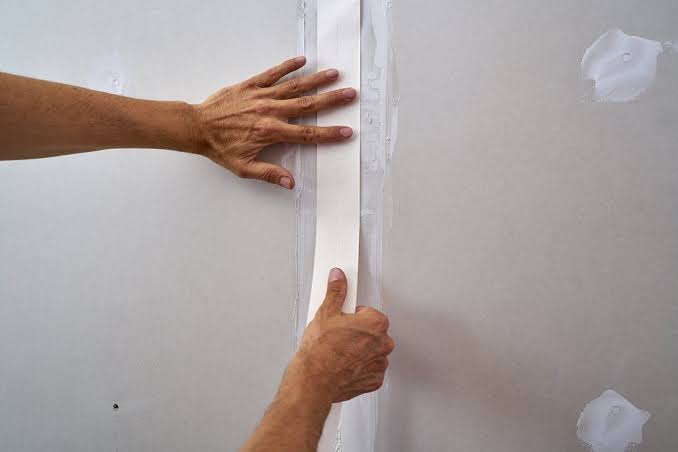
Depending on the damage, the affected area may require joint compound, reinforcing tape, or a fitted drywall patch.
Larger repairs often involve securing replacement material before applying finishing compounds.
Step 4: Sand and Finish
Once the compound dries, careful sanding helps create a smooth transition between the repaired section and the surrounding wall.
Primer and matching paint complete the restoration.
When Should You Seek Professional Assistance?
Minor surface imperfections can sometimes be handled with basic household tools. However, larger holes, extensive cracking, recurring damage, and moisture-related problems often benefit from experienced attention.
A knowledgeable repair specialist can assess the situation and determine an appropriate restoration method.
Homeowners seeking local wall maintenance assistance can explore available options for maintaining their interior spaces.
Tips for Preventing Future Wall Damage
Preventive maintenance can reduce the frequency of drywall repair.
Install doorstops where handles might strike walls, use protective pads behind furniture, and address plumbing leaks promptly.
Maintaining appropriate indoor humidity also helps protect wall surfaces from moisture-related deterioration.
Inspect high-traffic areas periodically, particularly hallways, staircases, and rooms where furniture is moved frequently.
Conclusion
Damaged walls do not have to compromise the comfort or appearance of a home. With proper preparation, suitable repair techniques, and consistent maintenance, interior surfaces can regain their smooth, attractive finish.
Whether dealing with small dents or larger openings, timely drywall repair helps preserve the condition of living spaces and creates a reliable foundation for future decorating projects.