
Lync conf games: 10 Best Proven Ultimate Gaming Guides & Amazing Game List
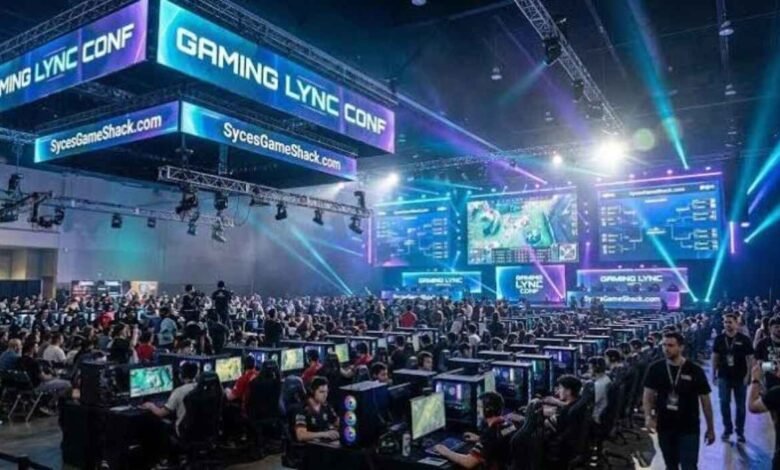
The digital transformation of modern workplaces and remote environments has placed an increasing emphasis on interactive engagement tools, bringing concepts like lync conf games to the forefront of online communication strategies. Traditional corporate or virtual gatherings often suffer from low participant interaction, passive listening, and extreme meeting fatigue. By incorporating gaming elements into professional conference tools or community platforms, organizers can seamlessly transform stagnant meetings into vibrant, collaborative spaces. This introduction examines how gamification addresses communication barriers, fosters connection, and elevates productivity across diverse virtual ecosystems, setting the stage for a comprehensive exploration of meeting mechanics and digital engagement techniques.
Quick Bio Table: Lync Conf Games Overview
| Attribute | Detail |
| Focus Concept | lync conf games (Virtual meeting gamification & interactive conference tools) |
| Primary Objective | Enhancing remote team engagement, reducing fatigue, and boosting morale |
| Common Formats | Quick trivia quizzes, icebreakers, virtual scavenger hunts, and polling challenges |
| Key Platforms | Microsoft Lync, Skype for Business, Microsoft Teams, and collaboration hubs |
| Primary Benefits | Active participation, better information retention, and stronger peer connections |
Understanding the Core Principles of Modern Virtual Meeting Gamification
Modern organizations continuously seek innovative methods to combat digital exhaustion and maintain high collaboration standards among distributed teams. At its foundation, integrating lync conf games into a daily workflow introduces structured playfulness that immediately captures attention and encourages active contribution. Instead of relying solely on monotone slide presentations, meeting hosts can utilize interactive polls, quick trivia rounds, and collaborative challenges. These elements stimulate cognitive alertness, ensuring that participants remain focused rather than drifting into passive observation. Consequently, teams achieve a healthier balance between professional duties and relaxed, creative interaction during online conferences.
Historical Evolution of Collaboration Platforms and Meeting Interaction
The historical background of enterprise communication software reveals a steady transition from basic messaging utilities to rich multimedia conferencing ecosystems. Early iterations like Microsoft Lync established foundational standards for enterprise text, voice, and video calls before evolving into broader platforms like Skype for Business and Microsoft Teams. As these digital spaces matured, users quickly recognized that prolonged video conferences required more than just structured dialogue to maintain high morale. This realization paved the way for informal team-building activities, icebreakers, and customized lync conf games that humanize remote workplaces and bridge geographical divides among global colleagues.
Breaking Meeting Fatigue Through Strategic Icebreakers and Challenges
Virtual meeting fatigue remains one of the most prominent hurdles for remote workers spending consecutive hours staring at computer screens. Introducing short, energetic activities centered around lync conf games acts as a powerful antidote to cognitive overload and burnout. Brief exercises such as two truths and a lie, quick emoji guessing challenges, or rapid-fire polls give participants a mental breather without derailing the meeting schedule. These lighthearted interventions reset collective energy levels, making it significantly easier for attendees to absorb complex information during subsequent agenda items and strategic planning sessions.
Enhancing Remote Team Connection and Psychological Safety
Building genuine interpersonal trust is notoriously difficult when team members operate entirely from remote home offices or separate satellite branches. Incorporating structured activities like lync conf games creates a relaxed psychological atmosphere where employees feel safe sharing unique perspectives. Shared gaming experiences generate lighthearted memories and inside jokes that transcend formal job titles and department boundaries. As mutual trust deepens through regular, low-stakes interactive sessions, cross-functional collaboration improves naturally, leading to more cohesive team units and healthier organizational cultures overall.
Fostering Healthy Competition with Leaderboards and Scoring Systems
Human psychology responds positively to gamified structures that incorporate friendly competition, recognition, and achievement metrics. Implementing lync conf games with simple scoring systems or live leaderboards motivates participants to engage more deeply with meeting content and collaborative tasks. Whether team members are competing in product knowledge trivia or creative brainstorming challenges, the desire to win encourages active listening and sharp focus. Importantly, organizations can keep the competition light and inclusive by offering non-monetary rewards, such as digital badges, shout-outs, or the privilege of selecting the next team activity.
Practical Use Cases Across Corporate Meetings and Training Seminars
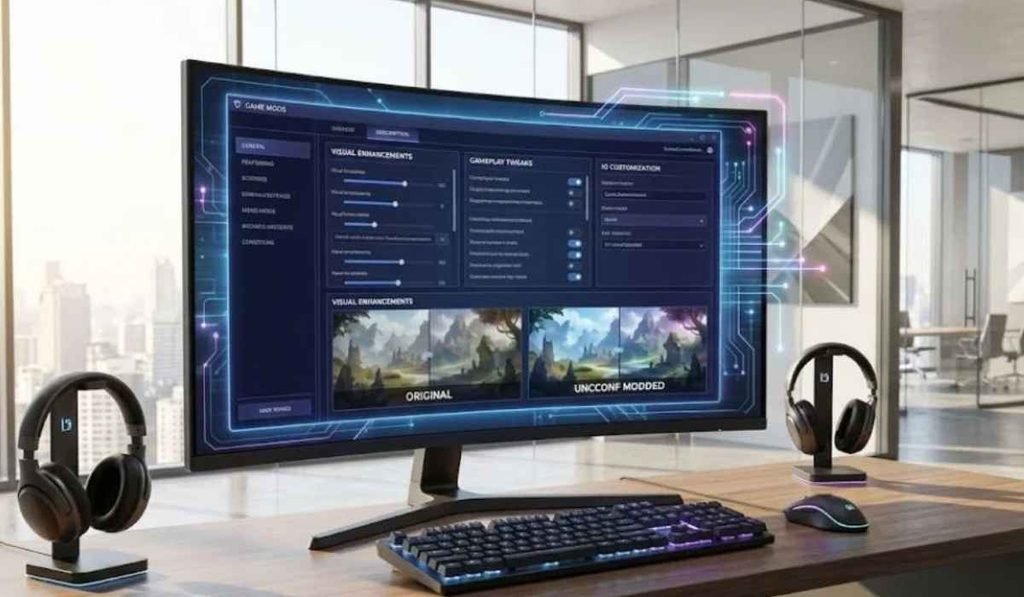
The remarkable flexibility of interactive collaboration formats allows them to be deployed across a wide variety of professional and educational scenarios. For instance, integrating lync conf games into weekly catch-ups revitalizes routine status reports and encourages quieter team members to speak up in chat windows. Similarly, corporate training seminars and onboarding programs utilize gamified quizzes to reinforce compliance policies and technical concepts, ensuring higher knowledge retention rates. By tailoring these interactive segments to specific audience needs, organizers turn mandatory attendance into an anticipated, enjoyable team event.
Step-by-Step Implementation Strategies for Meeting Hosts and Organizers
Successfully running an interactive session requires careful planning and consideration of technical constraints before the conference call begins. Meeting organizers looking to incorporate lync conf games should test all platform features—such as screen sharing, breakout rooms, chat panels, and polling tools—prior to the scheduled start time. Keeping instructions concise and limiting activity durations to between five and fifteen minutes ensures that the core meeting agenda remains fully protected. Furthermore, participation should always remain optional to accommodate varying comfort levels, time zones, and accessibility requirements among attendees.
Selecting the Right Game Formats for Different Team Dynamics
Choosing appropriate activities depends heavily on the familiarity level of the group and the specific objectives of the conference call. New teams or newly formed cross-functional squads benefit greatly from gentle icebreakers enabled by lync conf games that require minimal preparation and focus on personal sharing. Conversely, established teams that work together daily often thrive on complex trivia, problem-solving puzzles, or themed virtual scavenger hunts. Matching the game style to the audience prevents awkward participation drop-offs and guarantees that the chosen activity aligns smoothly with the broader organizational context.
Leveraging Built-in Platform Features for Seamless Integration
Modern conferencing infrastructure provides robust built-in capabilities that eliminate the need for complicated external software downloads or risky third-party installations. When setting up lync conf games, facilitators can easily utilize native chat windows for emoji voting, shared whiteboards for drawing challenges, and integrated polling extensions for instant feedback. These native tools ensure secure data handling and maintain enterprise compliance standards while delivering a fluid user experience. By mastering these built-in functionalities, hosts can execute flawless interactive segments without interrupting the flow of professional communication.
Measuring Engagement Metrics and Gathering Participant Feedback
Continuous improvement of virtual collaboration practices relies heavily on tracking participation levels and soliciting honest feedback from meeting attendees. Analyzing metrics related to chat participation, poll completion rates, and post-meeting survey responses helps organizers determine which lync conf games resonate best with their specific corporate culture. Facilitators can use these insights to refine future session formats, adjust difficulty levels, and rotate activity types to prevent repetition and maintain long-term interest among team members.
Overcoming Common Pitfalls and Ensuring Professional Boundaries
While gamification offers substantial benefits, improper execution can sometimes lead to distraction, discomfort, or alienation among certain participants. To prevent these issues, organizers utilizing lync conf games must strictly avoid activities that demand expensive materials, mandatory camera usage, or overly personal information disclosures. Keeping jokes workplace-appropriate, respecting diverse cultural norms, and providing alternative ways for introverted employees to contribute via text chat ensures that everyone feels valued and respected throughout the interactive experience.
Adapting Gamified Collaboration for Global and Multi-Time Zone Teams
Global enterprises operating across multiple time zones face unique hurdles when attempting to foster unified team cohesion and shared company culture. Introducing asynchronous elements or flexible lync conf games ensures that employees logging in from different continents can still participate and feel connected to the broader organization. Scheduling short interactive breaks that rotate across different regional meeting times guarantees equitable engagement opportunities for all staff members, preventing burnout among remote personnel situated outside primary headquarters.
The Future of Interactive Virtual Conferencing and Digital Workplaces
As artificial intelligence and immersive collaboration technologies continue to advance, the landscape of remote meetings is undergoing rapid transformation. Emerging trends suggest that future iterations of lync conf games will feature automated facilitation assistants, real-time sentiment analysis, and dynamic customization options tailored to individual user preferences. These technological leaps will make virtual interactions feel increasingly natural and engaging, bridging the gap between physical and digital workspaces and redefining how global teams innovate together.
Maximizing Knowledge Retention in Educational and Training Workshops
Educational institutions and corporate learning departments are increasingly adopting gamification principles to combat short attention spans during digital lectures. Integrating lync conf games into training modules helps students and employees anchor theoretical concepts through active application and immediate feedback loops. By turning study reviews into friendly competitive quizzes, educators can significantly boost test scores and information retention while creating a positive, low-stress learning environment that encourages lifelong curiosity and skill development.
Balancing Productivity and Play: Striking the Optimal Meeting Equilibrium
A common concern among corporate leaders is that introducing gaming elements might detract from serious business objectives and waste valuable operational hours. However, when managed correctly, lync conf games actually enhance overall productivity by sharpening focus, accelerating decision-making, and eliminating post-lunch sluggishness. By treating interactive segments as strategic tools for mental renewal rather than mere entertainment, organizations can achieve a harmonious balance between rigorous professional execution and enjoyable team collaboration.
Cultivating Inclusive Leadership Through Collaborative Virtual Play
Inclusive leadership requires creating environments where every team member feels empowered to share ideas regardless of their physical location or personality type. Thoughtfully curated lync conf games act as great equalizers, giving quieter or remote-first employees a comfortable platform to showcase their personalities and problem-solving skills. When leaders actively participate in these lighthearted activities without micromanaging the outcome, they signal approachability and trust, which directly strengthens psychological safety and organizational loyalty across the entire workforce.
Establishing Best Practices for Remote Team Building Initiatives
Sustaining long-term success in virtual team building demands consistent adherence to proven operational guidelines and respectful moderation standards. Organizations implementing lync conf games should establish clear boundaries regarding session frequency, duration, and content appropriateness to prevent meeting fatigue. Documenting successful game templates in an internal team wiki allows different department managers to run engaging sessions effortlessly, ensuring a standardized yet flexible approach to remote employee engagement across the entire company.
Summary of Key Takeaways for Effective Virtual Engagement
The integration of interactive elements into online gatherings represents a fundamental shift in how modern enterprises approach remote communication and employee wellness. Throughout this article, we have explored how lync conf games serve as vital instruments for breaking meeting fatigue, fostering psychological safety, and driving higher productivity. By respecting professional boundaries, utilizing native platform tools, and tailoring activities to specific team dynamics, organizations can build resilient, connected, and highly motivated workforce ecosystems capable of thriving in any digital environment.
Frequently Asked Questions
Q1: What is a lync conf game and how does it work?
Bullet point answer: It is an interactive meeting concept that integrates gaming elements like trivia and polls into virtual collaboration platforms to boost engagement.
Q2: Can these games be played directly within Microsoft Teams or Lync?
Bullet point answer: Yes, organizers utilize native chat, shared whiteboards, polls, and screen sharing features to run quick games smoothly.
Q3: How long should an interactive meeting game last?
Bullet point answer: Ideal sessions last between five and fifteen minutes to ensure maximum fun without disrupting the primary meeting agenda.
Q4: Are these activities suitable for all types of remote teams?
Bullet point answer: Yes, they can be adapted for corporate offices, educational classrooms, and global startups by keeping participation optional and inclusive.
Q5: Do these games require expensive software downloads?
Bullet point answer: No, most activities rely on standard built-in communication tools, avoiding the need for risky or costly third-party installations.