
10 Key Things to Know About the IP2 Network (I2P): Technical Guide and Overview

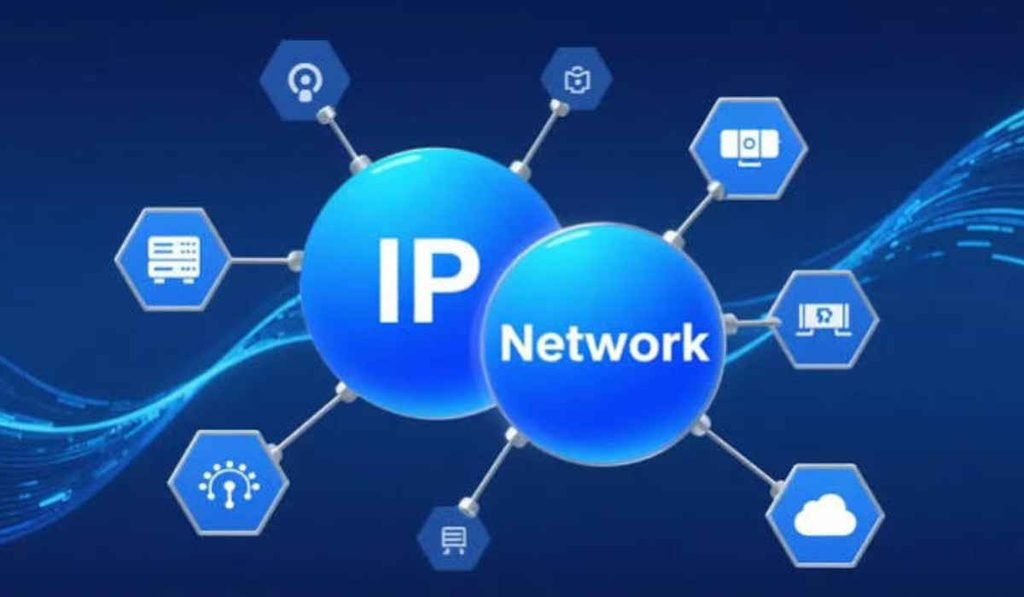
The I2P Network (Invisible Internet Project), frequently referred to colloquially as IP2 or I2P, is an anonymous, decentralized overlay network designed to protect online communications from surveillance and tracking. Unlike standard networks that route traffic directly between IP addresses on the public web (clearnet), I2P establishes a self-contained, end-to-end encrypted layer on top of the internet. By utilizing peer-to-peer routing, Garlic encryption, and unidirectional tunnels, I2P allows users to host hidden services, share files, and communicate without exposing their real identity or location.
What is the Core Architecture of the IP2 Network?
At its foundation, the IP2 network is designed as an internal, self-contained network. Instead of focusing primarily on helping users browse standard websites anonymously, I2P creates an enclosed ecosystem where both the sender and receiver of data remain hidden. Every participant in the network runs a local router node that helps relay encrypted packets for other users, making the entire infrastructure resilient against central shutdowns and ISP-level monitoring.
Understanding Garlic Routing Mechanics

Garlic routing is a specialized modification of traditional onion routing technology. Instead of wrapping a single message in multiple layers of encryption, garlic routing combines multiple distinct messages—called “cloves”—into a single encrypted bundle. As the bundle travels through network nodes, each router decrypts its specific instruction layer and routes individual cloves toward their destinations along separate paths. This method makes traffic analysis nearly impossible for outside observers trying to correlate data flow.
Unidirectional Tunnels and Data Flow
Traffic within the IP2 network relies on independent inbound and outbound tunnels. When a user sends data to an internal website (an “eepsite”), outbound tunnels handle the outgoing request while completely separate inbound tunnels handle the response. Because these tunnels constantly rotate every few minutes and follow different paths across participating nodes, an attacker intercepting traffic on one node cannot easily map the complete communication loop between two users.
Anonymous File Sharing and P2P Integration
One of the main strengths of the I2P network is its optimization for peer-to-peer applications. Standard file-sharing protocols on the public web expose user IP addresses to swarm participants. Within I2P, integrated P2P clients like I2PSnark allow users to download and seed torrent files entirely within encrypted internal tunnels, ensuring complete privacy during large data transfers without relying on external servers.
Hosting Hidden Eepsites and Internal Services
Websites hosted inside the I2P network are known as eepsites, recognizable by their .i2p top-level domain extension. Because these sites run locally through a user’s I2P router, the server’s actual IP address and physical location remain hidden. Eepsites are utilized for anonymous forums, privacy blogs, wiki platforms, and secure communication hubs where publishers require protection from censorship or tracking.
Decentralization and Network Resiliency

Because the I2P network has no central server or controlling authority, it features no single point of failure. Network directory information is distributed across nodes using a modified Distributed Hash Table (DHT) known as the NetDB. Every active node helps maintain and update routing destinations, allowing the network to heal itself dynamically and remain operational even if large blocks of nodes go offline simultaneously.
IP2 Network vs. Tor: Key Architectural Differences
While both platforms prioritize digital privacy, they serve different primary use cases:
- Tor (The Onion Router): Optimized primarily for outproxying—allowing users to exit the encrypted network to browse the standard, public internet anonymously.
- I2P (Invisible Internet Project): Optimized for internal communication, peer-to-peer file sharing, and self-hosted services within a fully enclosed, decentralized ecosystem.
Performance, Latency, and Bandwidth Management
Because all traffic in I2P is routed through multiple peer nodes and wrapped in heavy encryption layers, connection speeds inside the network are generally slower than on the standard clearnet. However, as more users join the network and contribute excess bandwidth through their local routers, the overall capacity and speed of the peer-to-peer infrastructure improve proportionally for all participants.
Hosting Hidden Eepsites and Internal Services
Websites hosted inside the I2P network are known as eepsites, recognizable by their .i2p top-level domain extension. Because these sites run locally through a user’s I2P router, the server’s actual IP address and physical location remain hidden. Eepsites are utilized for anonymous forums, privacy blogs, wiki platforms, and secure communication hubs where publishers require protection from censorship or tracking.
wse standard websites anonymously, I2P creates an enclosed ecosystem where both the sender and receiver of data remain hidden. Every participant in the network runs a local router node that helps relay encrypted packets for other users, making the entire infrastructure resilient against central shutdowns and ISP-level monitoring.
Understanding Garlic Routing Mechanics
Garlic routing is a specialized modification of traditional onion routing technology. Instead of wrapping a single message in multiple layers of encryption, garlic routing combines multiple distinct messages—called “cloves”—into a single encrypted bundle. As the bundle travels through network nodes, each router decrypts its specific instruction layer and routes individual cloves toward their destinations along separate paths. This method makes traffic analysis nearly impossible for outside observers trying to correlate data flow.
Unidirectional Tunnels and Data Flow
Traffic within the IP2 network relies on independent inbound and outbound tunnels. When a user sends data to an internal website (an “eepsite”), outbound tunnels handle the outgoing request while completely separate inbound tunnels handle the response. Because these tunnels constantly rotate every few minutes and follow different paths across participating nodes, an attacker intercepting traffic on one node cannot easily map the complete communication loop between two users.
Anonymous File Sharing and P2P Integration
One of the main strengths of the I2P network is its optimization for peer-to-peer applications. Standard file-sharing protocols on the public web expose user IP addresses to swarm participants. Within I2P, integrated P2P clients like I2PSnark allow users to download and seed torrent files entirely within encrypted internal tunnels, ensuring complete privacy during large data transfers without relying on external servers.
Hosting Hidden Eepsites and Internal Services
Websites hosted inside the I2P network are known as eepsites, recognizable by their .i2p top-level domain extension. Because these sites run locally through a user’s I2P router, the server’s actual IP address and physical location remain hidden. Eepsites are utilized for anonymous forums, privacy blogs, wiki platforms, and secure communication hubs where publishers require protection from censorship or tracking.
Decentralization and Network Resiliency
Because the I2P network has no central server or controlling authority, it features no single point of failure. Network directory information is distributed across nodes using a modified Distributed Hash Table (DHT) known as the NetDB. Every active node helps maintain and update routing destinations, allowing the network to heal itself dynamically and remain operational even if large blocks of nodes go offline simultaneously.
Decentralization and Network Resiliency
Because the I2P network has no central server or controlling authority, it features no single point of failure. Network directory information is distributed across nodes using a modified Distributed Hash Table (DHT) known as the NetDB. Every active node helps maintain and update routing destinations, allowing the network to heal itself dynamically and remain operational even if large blocks of nodes go offline simultaneously.
IP2 Network vs. Tor: Key Architectural Differences
While both platforms prioritize digital privacy, they serve different primary use cases:
- Tor (The Onion Router): Optimized primarily for outproxying—allowing users to exit the encrypted network to browse the standard, public internet anonymously.
- I2P (Invisible Internet Project): Optimized for internal communication, peer-to-peer file sharing, and self-hosted services within a fully enclosed, decentralized ecosystem.
Performance, Latency, and Bandwidth Management
Because all traffic in I2P is routed through multiple peer nodes and wrapped in heavy encryption layers, connection speeds inside the network are generally slower than on the standard clearnet. However, as more users join the network and contribute excess bandwidth through their local routers, the overall capacity and speed of the peer-to-peer infrastructure improve proportionally for all participants.
Security Practices for Navigating the IP2 Network
Interacting safely with overlay networks requires following established digital safety practices:
- Use Dedicated Browsers: Route web traffic through isolated browser profiles configured strictly for I2P proxies (
127.0.0.1:4444). - Keep Software Updated: Regularly update the local I2P router software to benefit from security patches and routing performance fixes.
- Avoid Combining Identities: Do not share personal information, real email addresses, or clearnet accounts while active within hidden network environments.
The Future of Decentralized Privacy Networks
As online tracking, data harvesting, and regional internet censorship expand globally, decentralized protocols like the IP2 network play an important role in preserving digital privacy. Ongoing open-source development focuses on improving routing performance, lowering resource usage on mobile devices, and simplifying user installation to make encrypted peer-to-peer communication accessible to everyday web users.
Frequently Asked Questions
- Q: What is the main purpose of the IP2 (I2P) network?
- A: It is an anonymous overlay network built to secure communication, file sharing, and website hosting against surveillance.
- Q: How do you access websites on the I2P network?
- A: Accessing
.i2pwebsites requires installing and running the I2P router software and configuring your web browser’s proxy settings.
- A: Accessing
- Q: Is the I2P network the same thing as Tor?
- A: No, Tor is optimized for browsing the public web anonymously, while I2P is optimized for internal peer-to-peer services and file sharing.
- Q: What is garlic routing in I2P?
- A: Garlic routing bundles multiple encrypted messages together, sending them down separate inbound and outbound paths for heightened security.
- Q: Can I use I2P to download torrents privately?
- A: Yes, I2P includes built-in P2P clients like I2PSnark designed specifically for anonymous, end-to-end encrypted torrent transfers.