
Wollmatten: The Complete Guide to Wool Mats and Their Benefits
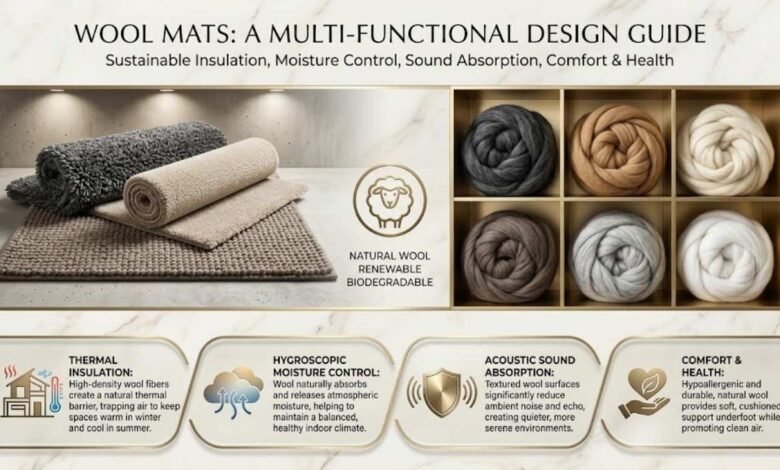
Wollmatten are wool-based mats known for their natural warmth, softness, flexibility, and useful insulation properties. Wool has been used for generations in clothing, household products, flooring, and building materials because its fibers can trap air while responding naturally to changes in humidity. Today, wool mats are used in several applications, from comfortable floor coverings to insulation and acoustic materials. Understanding how Wollmatten work can help homeowners, designers, and builders choose the right type for their specific needs.
What Are Wollmatten?
Wollmatten are products made primarily from wool fibers that are formed into mats, sheets, felted surfaces, or insulation layers. Their exact structure depends on the manufacturing process and intended purpose. Some products are soft and decorative, while others are dense and specifically manufactured for construction. The natural characteristics of wool remain important in both types because the fiber provides a combination of thermal resistance, moisture interaction, resilience, and comfort.
The construction of Wollmatten can vary considerably. Some are produced through felting, while others use mechanical bonding, weaving, or additional backing materials. This means that not every wool mat has the same performance. Thickness, density, fiber quality, and treatment can all influence how the finished product behaves. For insulation applications, technical specifications should always be checked before installation.
How Wollmatten Work
The main insulating effect of Wollmatten comes from the natural structure of wool fibers. Wool fibers are often crimped, meaning they have a naturally wavy shape. When many fibers are gathered together, they create numerous small pockets of air. These air pockets slow down heat transfer and help the material resist changes in temperature.
The performance of Wollmatten also depends on their thickness and density. A thicker material can generally provide greater resistance to heat movement, while density affects the relationship between wool fibers and trapped air. Compression can also change performance because it reduces some of the air spaces inside the material. This is why insulation should be installed according to the manufacturer’s specifications.
Wool and Thermal Insulation
One of the most important uses of Wollmatten is thermal insulation. Wool can help slow the movement of heat between warmer and cooler areas. In a building, this can help reduce unwanted heat loss during colder weather and slow heat gain during warmer periods.
Wool insulation does not produce heat or actively cool a room. Instead, it works as a passive material that reduces the speed at which heat moves through an insulated surface. When combined with good windows, proper ventilation, suitable heating and cooling systems, and an effective building envelope, Wollmatten can contribute to a more comfortable indoor environment.
Moisture Control Properties
Another interesting feature of Wollmatten is their ability to interact with moisture vapor. Wool is hygroscopic, which means its fibers can absorb some moisture from surrounding air and release it again when the environment becomes drier. This behavior can help moderate short-term humidity changes.
However, moisture buffering does not mean that wool is waterproof. Wollmatten can respond to water vapor, but continuous exposure to liquid water can still damage wool and surrounding materials. Leaks, condensation, and poor drainage should always be addressed through proper building design rather than relying on wool to solve moisture problems.
Wollmatten and Indoor Comfort
Comfort is one of the reasons wool remains popular for interior applications. A wool mat can provide a soft and warm surface underfoot, especially when placed over hard flooring. The natural fibers can also help reduce the cold sensation often associated with tile, stone, or other hard surfaces.
Wollmatten can contribute to comfort in insulated buildings as well. By slowing heat transfer and interacting with humidity, wool can support a more stable indoor environment. Of course, overall comfort depends on many other factors, including air movement, room temperature, humidity, insulation levels, and building design.
Acoustic Benefits of Wool Mats
Wool fibers can also provide acoustic benefits. Their irregular structure and internal air spaces can absorb some sound energy, helping reduce reflections from hard surfaces. This can make certain rooms feel quieter and less echo-prone.
The acoustic performance of Wollmatten depends on their thickness, density, surface structure, and installation. A thin decorative wool mat will not necessarily provide the same sound absorption as a specially designed acoustic panel. When sound control is the main goal, buyers should look for tested acoustic information rather than relying only on the presence of wool.
Uses in Home Insulation
Wool insulation mats can be used in suitable walls, floors, roofs, and other building assemblies. They are particularly appealing to people interested in renewable or bio-based materials. Their flexibility can also make certain wool products convenient to fit between structural components.
Proper installation is essential for Wollmatten used as insulation. Gaps can reduce performance, while excessive compression can change the designed characteristics of the material. The insulation should therefore be installed carefully and combined with appropriate moisture and air-control layers.
Environmental Benefits
Wool is a renewable natural fiber, which is one reason Wollmatten attract attention from people interested in sustainable materials. Sheep naturally grow new fleece, allowing wool to be harvested repeatedly. This gives wool a different material profile from many petroleum-based synthetic products.
Still, the environmental impact of Wollmatten depends on the entire production process. Farming, transportation, washing, processing, dyes, chemical treatments, binders, packaging, and disposal can all influence the final environmental footprint. A product should therefore be evaluated as a complete system rather than being considered sustainable simply because it contains wool.
Durability of Wollmatten
Wool can be a durable material when it is correctly manufactured and maintained. Its natural resilience allows fibers to recover from moderate compression, which can help wool floor products retain their shape and appearance during normal use.
The durability of Wollmatten depends on where they are installed. A mat placed in a busy entrance will experience much more wear than one used beside a bed. Dirt and grit can also act as abrasives, so regular cleaning can help extend the life of wool products.
Maintenance and Cleaning
Wool mats generally benefit from regular and gentle maintenance. Vacuuming can remove dust, dirt, and small particles before they become embedded deeply in the fibers. Spills should be treated according to the manufacturer’s recommendations because different products may use different backings, dyes, or finishes.
Excessive moisture should be avoided unless the product is specifically designed for wet cleaning. Allowing wool to remain wet for long periods can create unwanted odors or damage. Simple, consistent maintenance is usually more useful than aggressive cleaning methods.
Fire Safety Considerations
Wollmatten should not be considered completely fireproof. Wool has natural characteristics that can influence its behavior when exposed to heat, but the actual fire performance of a finished product depends on its construction, treatments, backing, binders, and other components.
For building applications, the relevant fire classification should be checked before installation. This is particularly important for insulation placed inside walls, ceilings, or other areas governed by building regulations. Product testing and certification provide more useful information than general statements about natural wool.
Wollmatten Compared With Other Materials
Different insulation and flooring materials have different characteristics. Mineral wool can offer strong fire resistance, cellulose can contain recycled paper fibers, wood fiber provides another natural insulation option, and synthetic foams can achieve high thermal resistance in relatively thin layers.
Wollmatten provide a distinctive combination of thermal insulation, moisture interaction, flexibility, softness, and renewable fiber content. The most suitable material depends on the application. Cost, moisture conditions, fire requirements, available space, installation method, durability, and environmental priorities should all be considered.
Factors Affecting Performance
Several factors can influence the performance of Wollmatten. Thickness is important because it determines how much material heat must travel through. Density affects the balance between fibers and air spaces, while moisture content can influence thermal behavior. Installation quality is equally important because gaps and compression can reduce expected performance.
The surrounding building assembly also matters. Wool insulation works as part of a wall, floor, or roof system rather than as an isolated product. Proper weather protection, drainage, air sealing, and moisture management help ensure that the wool remains in suitable conditions.
Wollmatten in Interior Design
Wool mats are popular in interior design because they provide both practical and visual benefits. Natural wool can add texture and warmth to rooms containing hard materials such as wood, stone, ceramic tile, or concrete. Its appearance can range from simple and natural to colorful and decorative.
Wollmatten can be woven, felted, tufted, or layered to create different textures. Some products have smooth surfaces, while others are intentionally thick and textured. The backing material should also be considered because it can affect stability, durability, floor protection, and maintenance.
Comfort Underfoot
A major benefit of wool mats is their comfort underfoot. Wool fibers can create a soft but resilient surface that feels warmer than many hard flooring materials. This makes wool particularly suitable for bedrooms, living rooms, offices, and other spaces where people regularly walk or stand.
The thickness and construction of Wollmatten influence how comfortable they feel. A dense felted mat may provide a different experience from a thick tufted rug. The backing can also improve grip and prevent unwanted movement, especially when the mat is placed on smooth flooring.
Choosing the Right Product
Before purchasing Wollmatten, buyers should first determine how the material will be used. A decorative floor mat does not necessarily have the technical properties required for wall insulation. Likewise, an insulation product may not be designed to withstand direct foot traffic.
Useful specifications include fiber composition, thickness, density, thermal resistance, thermal conductivity, fire classification, moisture behavior, and installation instructions. Checking these details can help buyers select a product that matches their actual requirements instead of choosing only according to appearance or marketing claims.
Storage and Care
Wool products that are stored before installation should be kept clean and dry. Long-term exposure to humidity can create unfavorable conditions, while dark and undisturbed storage areas can sometimes attract textile pests. Proper ventilation and suitable storage conditions can reduce these risks.
Once installed, Wollmatten should be maintained according to the manufacturer’s instructions. Regular cleaning helps protect fibers from abrasive dirt, while prompt treatment of spills can prevent permanent staining. Proper maintenance can significantly extend the useful life of wool-based products.
Modern Applications
Modern Wollmatten are not limited to traditional floor coverings. Wool is being explored for insulation, acoustic panels, furniture materials, interior surfaces, and other applications where natural fibers can provide functional benefits.
Researchers and manufacturers continue to investigate ways to improve wool-based materials through better processing, fiber blending, natural binders, and improved manufacturing techniques. These developments show how an old natural material can continue to find new applications in modern design and construction.
Common Misunderstandings
A common misunderstanding is that all Wollmatten have the same insulating performance. In reality, two wool products can behave very differently because of variations in thickness, density, fiber arrangement, treatment, and construction. Technical specifications are therefore important when performance matters.
Another misunderstanding is that wool’s moisture absorption makes it resistant to every form of dampness. Wool can manage water vapor, but it should not be exposed unnecessarily to liquid water. Proper waterproofing, drainage, ventilation, and condensation control remain important in every building system.
Long-Term Value
The long-term value of Wollmatten depends on selecting the correct product and maintaining it properly. A durable wool mat can remain useful for many years, reducing the need for frequent replacement. In insulation applications, proper installation can help preserve thermal performance throughout the life of the building.
Wool can also offer value by combining several properties in one material. Thermal resistance, moisture buffering, softness, resilience, and acoustic potential can make it attractive for projects where comfort and natural materials are important. The final choice should still be based on technical requirements and the intended application.
Final Thoughts
Wollmatten offer an interesting combination of natural insulation, moisture management, comfort, durability, and visual appeal. Their performance comes from the unique structure of wool fibers, which create insulating air spaces while allowing the material to interact with changes in humidity. They can be useful in flooring, insulation, acoustic applications, and interior design when the correct product is selected. Like any material, they have limitations and should be installed and maintained according to their intended purpose. For additional information about wool and its natural characteristics, readers can explore the Wollmatten topic through Wikipedia’s article on wool.
Frequently Asked Questions
What are Wollmatten mainly used for?
- They are used for flooring, insulation, acoustic applications, and interior comfort.
How do Wollmatten provide insulation?
- Their wool fibers create small air spaces that slow the movement of heat.
Can Wollmatten manage moisture?
- Yes, wool can absorb and release water vapor, although it is not waterproof.
Are Wollmatten environmentally friendly?
- Wool is renewable, but the overall environmental impact depends on production, processing, transportation, and disposal.
How should Wollmatten be maintained?
- Regular cleaning, careful moisture control, and following the manufacturer’s instructions can help maintain their performance.
Read More at Prime Writes