
Force protection bravo: 10 Best Proven Ultimate Security Level Guides & Amazing Military Facts
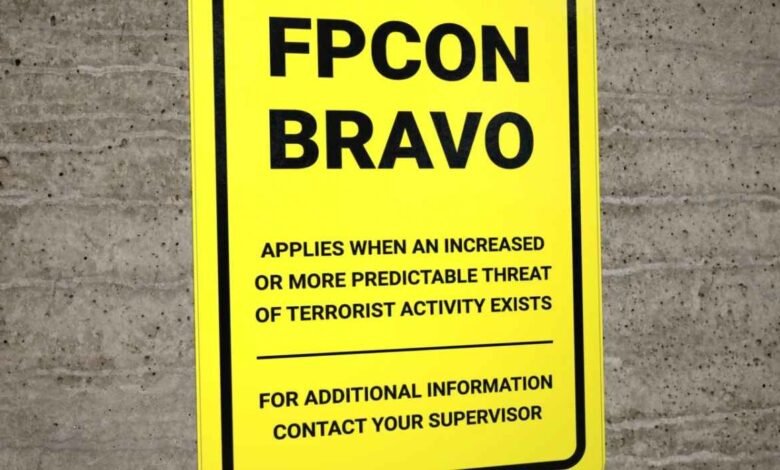
Force protection bravo is an essential security condition implemented across military installations and defense facilities worldwide. When defense authorities elevate security to this status, personnel must understand that force protection bravo signifies a heightened and predictable threat level directed against personnel or assets. Understanding force protection bravo requires analyzing how military leaders assess potential risks and coordinate countermeasures. Operating under force protection bravo demands constant vigilance from every service member, civilian contractor, and visitor entering a secured zone. Effective security relies heavily on proactive communication, strict identification checks, and comprehensive preparation protocols established by installation commanders globally every single day.
Quick Bio Table
| Attribute | Detail |
|---|---|
| Topic | Force Protection Bravo |
| Category | Military Security Condition (FPCON) |
| Purpose | Indicates an increased and predictable threat level |
| Implementation | Ordered by installation commanders and defense leaders |
| Primary Focus | Protecting assets, personnel, and infrastructure |
Understanding the Fundamentals of Force Protection Bravo
Force protection bravo serves as a crucial tier within the broader standardized security framework utilized by defense departments. Security conditions are designed to communicate threat levels clearly to all units and commands operating globally. When commands transition to force protection bravo, it indicates that intelligence agencies have detected a general threat of possible terrorist activity or hostile actions. However, the specific target or exact timing remains unconfirmed. This intermediate status ensures that defense installations avoid complacency while preventing the operational disruptions associated with maximum alert states. Training programs routinely incorporate scenarios involving force protection bravo to maintain high readiness standards across all operational branches and support elements.
Historical Evolution of Defense Security Conditions
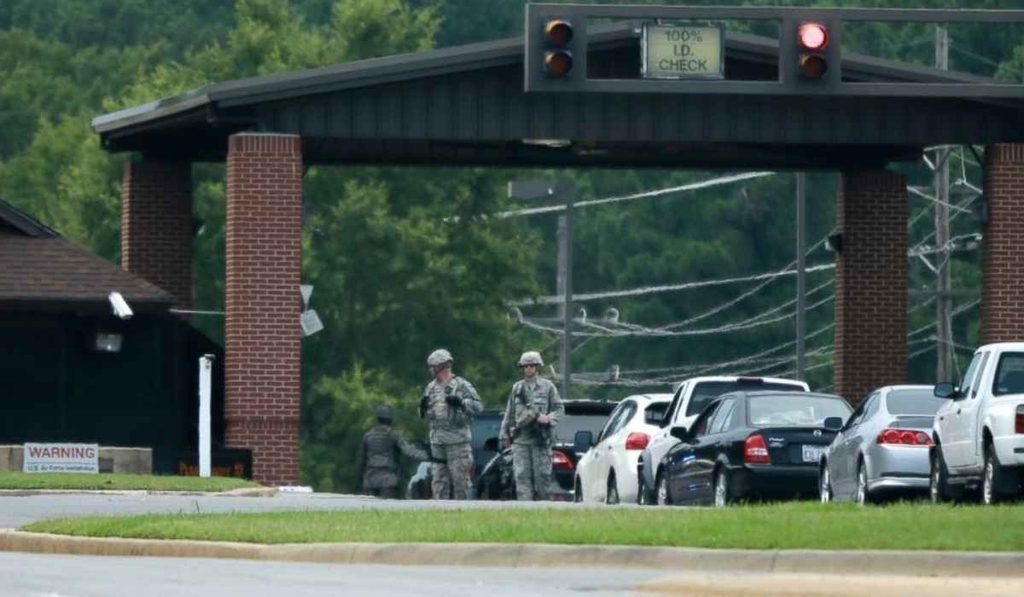
The formal structuring of security measures, including force protection bravo, evolved significantly following major geopolitical shifts and historical security incidents. Historically, defense forces utilized varying local directives, which often created confusion during joint operations or multi-national deployments. Establishing a unified system allowed military leaders to synchronize responses seamlessly across different branches and geographical combatant commands. As global threats transformed from conventional warfare to asymmetric challenges, the criteria for declaring force protection bravo adapted accordingly. Modern threat assessment cells continuously review historical data, intelligence reports, and tactical vulnerabilities to refine how force protection bravo is implemented, ensuring that protocols remain effective against evolving security threats in diverse environments worldwide.
Operational Procedures During Increased Security States
Implementing operational protocols under force protection bravo requires meticulous planning and swift execution by base defense operations centers. Once commanders authorize the transition, security forces immediately augment entry control points, increase patrols, and restrict unescorted visitor access. Personnel stationed within the installation must adhere strictly to revised identification procedures and vehicle inspection mandates. Furthermore, units review their emergency action plans and test secondary communication channels to guarantee seamless coordination during potential incidents. Logistics teams ensure that tactical gear, barrier materials, and surveillance equipment are fully operational. These rigorous measures under force protection bravo collectively establish a robust defensive posture designed to deter, detect, and neutralize hostile threats before they compromise mission capabilities.
The Role of Intelligence in Threat Assessment
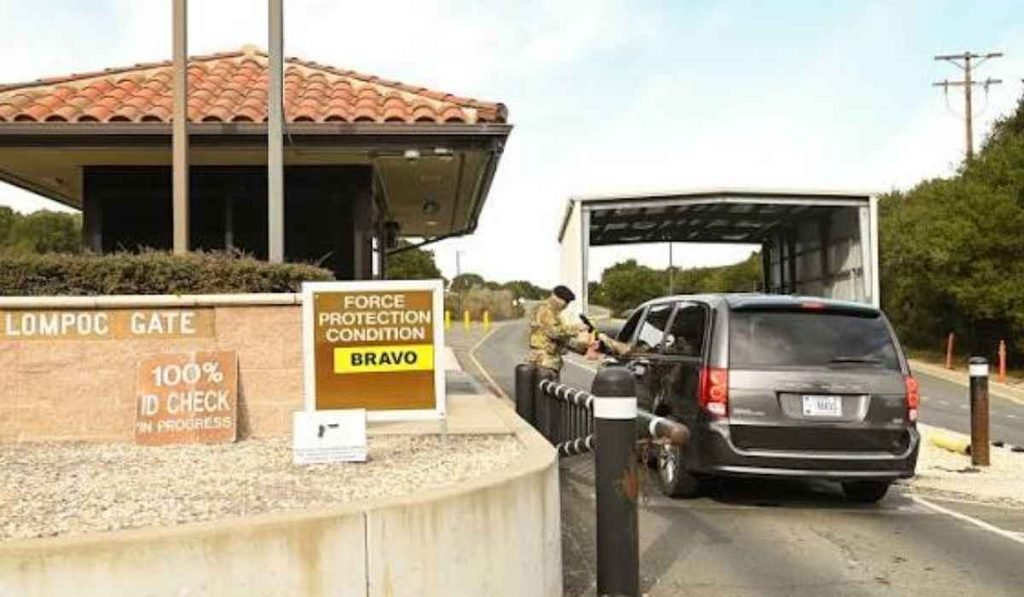
Accurate intelligence gathering forms the bedrock of deciding when to institute force protection bravo across defense installations. Intelligence analysts sift through vast amounts of data, intercept communications, and evaluate local threat reporting to identify emerging dangers. When intelligence points toward a generalized risk without a specific target, commanders often select force protection bravo as the appropriate proportionate response. Intelligence cells work in close coordination with local law enforcement agencies and host-nation security partners to share critical threat indicators. This collaborative intelligence-sharing network ensures that decisions regarding force protection bravo are grounded in factual, timely, and comprehensive threat assessments, thereby safeguarding military communities effectively while minimizing unnecessary operational friction during daily routines.
Access Control and Perimeter Defense Enhancements
Securing installation perimeters becomes paramount when operations shift to force protection bravo due to the elevated threat environment. Security forces implement 100 percent identification checks for all arriving vehicles and personnel, significantly reducing vulnerabilities at critical entry gates. Additional physical security assets, such as reinforced barriers, razor wire, and tactical vehicle checkpoints, are deployed strategically around sensitive facilities. Personnel assigned to gate guard duties receive specialized briefings on recognizing suspicious behavior and conducting rapid threat mitigations. Visitors frequently experience longer wait times at access points because comprehensive screening protocols under force protection bravo take precedence over administrative convenience. These stringent perimeter defenses ensure that unauthorized individuals cannot easily breach secured military zones.
Personnel Vigilance and Situational Awareness Training
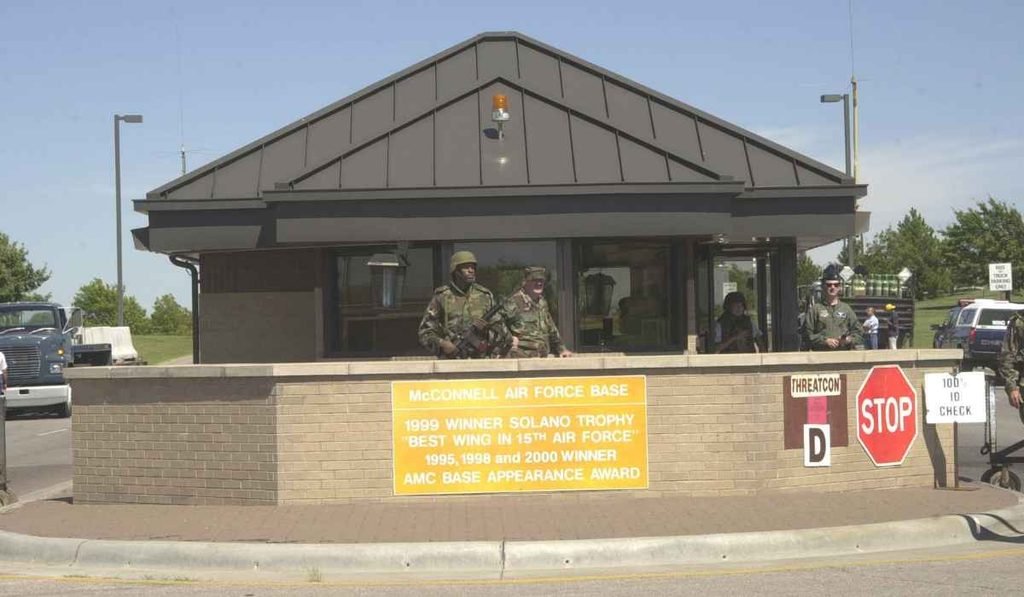
Individual awareness remains a critical line of defense when installations operate under force protection bravo conditions. Commanders mandate that all service members and civilian employees undergo updated antiterrorism briefings emphasizing personal safety and threat recognition. Individuals are trained to identify indicators of hostile surveillance, unattended packages, or unusual behavioral patterns in public areas. Maintaining situational awareness prevents personnel from becoming predictable targets for malicious actors seeking vulnerabilities. Security departments encourage anyone noticing suspicious activities to report them immediately through established channels. Cultivating a culture of shared responsibility ensures that the collective vigilance reinforced during force protection bravo successfully safeguards the entire military community against unforeseen security breaches or targeted hostile attacks.
Coordination with Host Nation and Civilian Law Enforcement
Military installations rarely exist in complete isolation, making interagency coordination vital during force protection bravo implementations. Defense commanders maintain continuous communication with local civilian police, emergency services, and regional government agencies to align security postures. In many overseas deployments, host-nation military and police forces play an indispensable role in securing areas adjacent to defense installations. Joint patrols, shared intelligence briefings, and synchronized emergency response drills enhance overall regional security. When force protection bravo is active, these cooperative partnerships ensure a unified front against potential threats. Effective liaison activities eliminate gaps in jurisdiction and communication, allowing civil and military authorities to respond cohesively to any crisis affecting the broader community.
Infrastructure Vulnerability Assessments and Mitigation
Evaluating physical infrastructure is an ongoing necessity, especially when elevated statuses like force protection bravo are enacted. Engineering teams conduct thorough inspections of buildings, utilities, communication nodes, and housing areas to identify potential physical weaknesses. Mitigating these vulnerabilities might involve installing blast-resistant window films, upgrading exterior lighting, or relocating critical assets away from vulnerable perimeters. Facilities management personnel work diligently to ensure that security systems, including closed-circuit television cameras and electronic access controls, function flawlessly. Proactive infrastructure hardening under force protection bravo significantly reduces the potential impact of hostile actions, ensuring that vital defense operations can continue uninterrupted even when external threat levels remain elevated across the region.
Communication Protocols and Emergency Notification Systems
Rapid and reliable communication is essential for maintaining command and control during force protection bravo periods. Installations utilize mass notification systems, including automated phone calls, text messages, siren networks, and email broadcasts, to keep personnel informed. Command centers must ensure that all communication channels remain secure and resistant to jamming or cyber disruptions. Leaders conduct regular communication checks to verify that personnel rosters and contact lists are completely up to date. When security conditions change, clear instructions are disseminated immediately to prevent confusion and guide appropriate responses. Effective communication under force protection bravo empowers every individual within the installation to take necessary precautions and adhere strictly to newly enacted defense directives.
Logistics and Resource Allocation Under Elevated Alerts
Sustaining an increased security posture requires efficient logistics management and careful resource allocation across participating units. During force protection bravo, supply officers must ensure an adequate inventory of protective gear, ammunition, barrier supplies, and medical equipment. Maintenance teams work overtime to service patrol vehicles, communication gear, and surveillance systems, ensuring zero downtime for critical assets. Financial resources are often reallocated to support increased guard shifts, overtime pay, and temporary infrastructure enhancements. Proper logistical planning prevents operational bottlenecks and guarantees that security forces remain fully supported throughout the duration of the elevated threat condition. Effective resource management under force protection bravo directly translates to sustained operational readiness and enhanced protection for all personnel.
Psychological Impacts and Resilience Building in Commands
Operating under elevated security conditions like force protection bravo can introduce psychological stress and fatigue among military personnel. Continuous vigilance, longer guard shifts, and stricter daily routines often take a toll on morale and mental well-being. Leadership teams must recognize these invisible pressures and implement proactive resilience-building programs. Ensuring adequate rest cycles, rotating guard assignments, and providing access to mental health support professionals help mitigate burnout. Open communication from commanders regarding the rationale behind force protection bravo measures also fosters trust and understanding. By prioritizing troop welfare alongside tactical readiness, organizations maintain high operational effectiveness while safeguarding the psychological health of every service member involved in mission execution.
Training and Simulation Exercises for Readiness
Maintaining proficiency in crisis response requires continuous practical training and simulation exercises tailored to force protection bravo scenarios. Installation response teams, explosive ordnance disposal units, and medical personnel routinely participate in unannounced drills to test their reaction times. These simulations evaluate the effectiveness of defense plans, communication pathways, and interagency coordination under realistic pressure. After each exercise, commanders conduct thorough after-action reviews to identify lessons learned and implement necessary corrective actions. Routine drills ensure that when actual threats prompt a transition to force protection bravo, all participants execute their assigned duties instinctively, minimizing hesitation and maximizing the overall security and safety of the installation environment.
Cybersecurity Integration in Physical Security Measures
In the modern operational landscape, physical security measures during force protection bravo must integrate seamlessly with robust cybersecurity protocols. Hostile actors frequently attempt to compromise digital networks, communication links, and supervisory control systems alongside physical perimeters. Information technology specialists monitor networks vigilantly for unauthorized access attempts, malware deployment, or reconnaissance activities targeting defense infrastructure. Access credentials, encryption standards, and firewall configurations are rigorously audited to prevent digital infiltration. Recognizing that physical gates and digital firewalls are deeply interconnected allows security commanders to establish a comprehensive defense-in-depth strategy. This holistic approach ensures that force protection bravo safeguards installations against both tangible physical threats and sophisticated cyber attacks simultaneously.
Community Relations and Family Support Programs
Military families and civilian employees are deeply affected by changes in installation security statuses such as force protection bravo. Command leadership prioritizes transparent communication with the wider community to explain the reasons behind increased restrictions without compromising sensitive intelligence. Family support centers offer guidance on how to maintain personal safety both on and off the installation during elevated threat periods. Outreach programs ensure that spouses and dependents feel supported and informed, reducing anxiety associated with visible security enhancements. Maintaining strong community relations during force protection bravo fosters mutual trust and cooperation, ensuring that every member of the extended military family contributes to a secure and resilient operational environment.
Legal and Policy Frameworks Governing Security States
The authority to declare and enforce security conditions like force protection bravo is firmly rooted in established military law and departmental policy. Specific directives outline the exact powers granted to installation commanders, including the authority to restrict movement, inspect property, and detain unauthorized individuals. JAG (Judge Advocate General) personnel review security orders to ensure compliance with constitutional rights, international laws, and host-nation agreements. Understanding these legal boundaries is critical for security forces to execute their duties lawfully and professionally. Clear policy frameworks protect both the rights of individuals and the security interests of the state, ensuring that the implementation of force protection bravo remains disciplined, accountable, and legally sound across all jurisdictions.
Comparative Analysis of Global Security Protocols
Different nations and international alliances utilize varied terminology and frameworks analogous to force protection bravo to manage defense security. Examining these global systems highlights universal best practices in threat mitigation, risk assessment, and interagency cooperation. While specific color codes or tier names might differ between armed forces, the underlying objective remains identical: safeguarding personnel and assets from predictable hostile threats. NATO allies and coalition partners frequently conduct joint training exercises to harmonize their security procedures, ensuring seamless interoperability during multinational deployments. Analyzing international approaches to force protection bravo allows defense strategists to adopt innovative security concepts, refine domestic doctrines, and continuously improve global defense posture against transnational threats.
Future Trends in Force Protection and Defense Technology
The future of security management, including protocols akin to force protection bravo, is rapidly evolving through the integration of advanced technology. Artificial intelligence, autonomous surveillance drones, facial recognition systems, and automated threat-detection algorithms are transforming perimeter defense. These technological advancements enable security forces to monitor expansive perimeters with unprecedented precision, reducing reliance on manual guard posts and minimizing human error. Predictive analytics allow intelligence officers to forecast potential security vulnerabilities before hostile actors can exploit them. As defense technology continues to mature, the execution of force protection bravo will become increasingly streamlined, data-driven, and effective, ensuring that military installations remain secure against next-generation security challenges.
Comprehensive Summary of Security Best Practices
Implementing force protection bravo successfully depends on the seamless synthesis of intelligence, technology, rigorous training, and individual vigilance. Throughout this article, we have explored the multifaceted dimensions of military security conditions, ranging from historical evolution and perimeter defense to cybersecurity and psychological resilience. Defense installations must remain adaptable, continuously updating their operational procedures to address changing global threat landscapes. By fostering a culture of preparedness and open communication, military commands ensure mission success without compromising the safety of their personnel. Ultimately, force protection bravo exemplifies the unwavering commitment of defense organizations to protect their most valuable assets—their people—while maintaining operational readiness in an increasingly complex world.
Frequently Asked Questions
- What does force protection bravo mean in military terminology?
- It indicates an increased and predictable threat level directed against personnel or installations where the exact target is unconfirmed.
- Who has the authority to declare force protection bravo?
- Installation commanders and senior defense authorities possess the direct authority to elevate local security conditions.
- How does force protection bravo affect daily installation access?
- Access control points implement stricter identification checks, thorough vehicle inspections, and potential visitor restrictions.
- Are civilian employees required to follow force protection bravo protocols?
- Yes, all personnel, including contractors, civilian employees, and family members residing on base, must adhere to established security measures.
- Where can I learn more about global military security frameworks?
- You can explore detailed background information on the SEO FRIENDLY page.