
Cdt obituaries: 10 Best Proven Ultimate Obituary Guides & Amazing Memorial Info
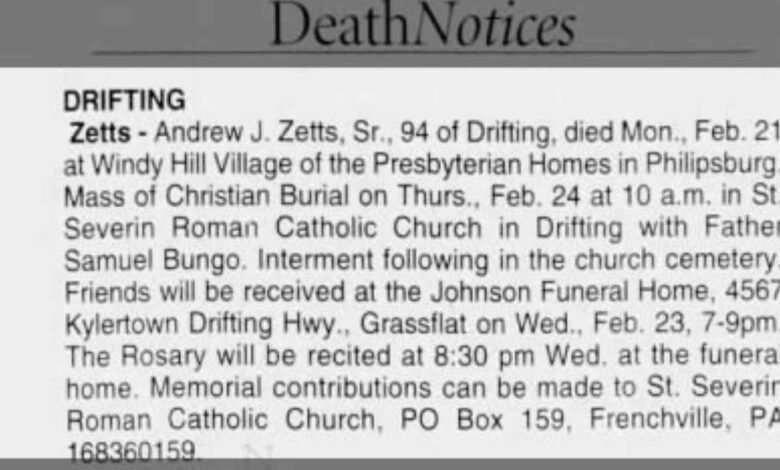
Finding online notices for cdt obituaries provides a vital connection to community history, personal stories, and essential local legacy updates across Centre County, Pennsylvania. These comprehensive memorial archives preserve the quiet dignity of every departed resident while granting grieving families an accessible space to share heartfelt tributes, funeral arrangements, and biographical memories. By maintaining an organized digital record, local publishers ensure that historical records remain readily available for generations to come, allowing relatives, friends, and local historians to honor shared heritage with absolute reverence, structural clarity, and continuous accessibility.
Quick Bio
| Field | Detail |
| Primary Focus Keyword | cdt obituaries |
| Publication Region | Centre County, Pennsylvania (State College, Bellefonte, & surrounding areas) |
| Main Information Source | Centre Daily Times & Online Legacy Archives |
| Primary Purpose | Digital death notices, local memorial archives, and service information |
| Content Type | Biographical tributes, funeral schedules, and public announcements |
| Access Format | Online archives, daily local newspaper prints, and digital databases |
Understanding the Role of Regional Memorial Archives in Digital Media
Searching through online databases for cdt obituaries allows families to locate detailed personal biographies, viewing times, and memorial donation requests efficiently. Modern digital publishers preserve these announcements across searchable networks, making it effortless for distant relatives to remain informed during times of personal loss. Beyond providing immediate logistical details regarding funeral services, these public records serve as lasting digital memorials that celebrate the meaningful contributions of departed individuals. Accessing these archives ensures that important family histories remain intact and fully accessible for future ancestral research.
How Local Newspapers Preserve Community Heritage for Future Generations
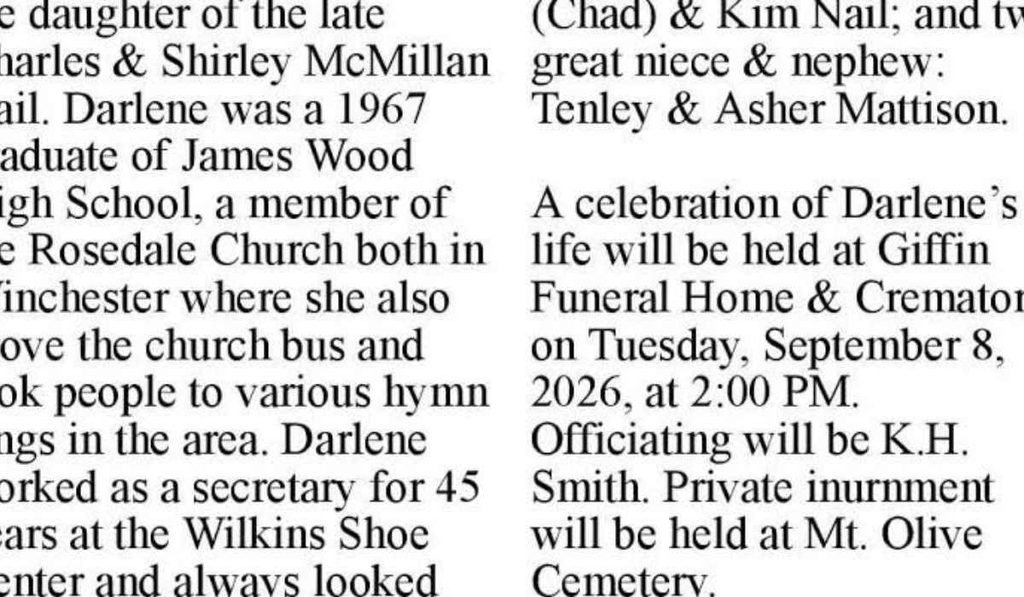
The continuous publication of cdt obituaries plays a crucial role in safeguarding the rich social history of local towns and rural townships. Every individual notice acts as a miniature historical archive, detailing personal achievements, career milestones, military service records, and familial roots embedded within the regional culture. By documenting these unique life stories daily, local newspapers foster a profound sense of shared community identity while creating an unbroken timeline of regional growth, historic events, and generational transitions across the entire geographic region.
Essential Steps for Searching Online Death Notices and Memorial Records
Locating specific historical entries within cdt obituaries requires basic search strategies using key details such as full legal names, death dates, or birthplaces. Utilizing precise keywords alongside advanced filtering tools provided by local news platforms enables researchers to quickly narrow down vast databases of memorial listings. Furthermore, checking verified digital legacy partners ensures access to accurate service details, family condolences, and archived floral donation information. This structured digital search approach saves valuable time for families seeking urgent information or conducting deep genealogical explorations.
The Cultural Significance of Tribute Writing in Modern Local Journalism
Crafting biographical notices within cdt obituaries offers families a therapeutic process to honor their loved ones with custom, heartfelt narratives. Local newspapers provide structured formatting options that accommodate brief announcements alongside extensive multi-paragraph life summaries detailing personal hobbies, community volunteer work, and cherished relationships. This timeless tradition of public remembrance ensures that the emotional essence of a person’s life is captured authentically, offering comfort to surviving family members while inviting the broader community to join in collective mourning and remembrance.
Comparing Print and Digital Memorial Listings in Regional News Outlets
The digital evolution of cdt obituaries has transformed how community members interact with local death notices and funeral announcements. While traditional newsprint editions offer a tangible keepsake for grieving families, digital platforms provide immediate global reach, interactive guestbooks, and embedded multimedia galleries. This dual publishing model ensures that traditional readers receive their morning announcements while tech-savvy relatives across the globe can post condolences, order floral arrangements, and share memories instantly without geographic constraints or physical printing delays.
Best Practices for Submitting Memorial Notices to Local Publications
Submitting accurate details for cdt obituaries involves gathering essential documentation, including full names, dates of birth and passing, surviving family members, and service locations. Funeral directors frequently assist families with this process, ensuring that formatting guidelines and publication deadlines are strictly met. Preparing a clear text draft in advance prevents typographical errors in family names and ensures that all relevant details regarding memorial funds or charitable donations are clearly communicated to the reading public prior to final release.
How Genealogists Utilize Historical Death Announcements for Ancestral Research
Professional researchers frequently consult cdt obituaries to trace intricate family trees, verify exact dates, and discover maiden names across generational lineages. These historical records offer priceless clues regarding past migrations, maiden names, familial relationships, and local burials that might not appear in standard governmental census files. By cross-referencing old newspaper archives with regional land records, historians reconstruct vibrant local histories and uncover forgotten personal stories that define the cultural evolution of the surrounding towns and cities.
Digital Archiving Technologies and the Future of Community Memory
Modern database software behind cdt obituaries ensures long-term security, preventing the loss of delicate historic paper records through physical degradation or natural decay. Cloud storage networks, digitized microfilms, and advanced text recognition tools allow readers to instantly search decades of local publications using basic keywords. This technological preservation ensures that community legacies remain permanently safeguarded against environmental wear, granting students, writers, and descendants unlimited access to authentic local historical documents whenever comprehensive biographical research becomes necessary.
Supporting Grieving Families Through Online Condolence Messages and Tributes
Interactive features attached to cdt obituaries provide online guestbooks where friends, neighbors, and former colleagues can post comforting messages for surviving family members. Leaving a digital memory or virtual candle creates a shared space of support that transcends physical distances, easing the emotional burden associated with sudden loss. These digital guestbooks are often compiled into permanent commemorative books by publishing platforms, offering families a tangible keepsake filled with comforting words from everyone whose lives were touched by the deceased.
Understanding the Legal and Verification Standards of Public Death Notices
Publishing official entries under cdt obituaries requires strict verification checks to prevent fraudulent submissions, preserve editorial integrity, and protect family privacy. News organizations collaborate directly with certified funeral homes, crematoriums, or legal authorities to confirm official details before releasing any notice to print or online databases. This careful verification process guarantees that public records maintain absolute factual accuracy, ensuring that reader trust remains strong while upholding high journalistic standards across all public memorial sections.
Navigating Funeral Service Schedules and Memorial Gathering Information
Check updates within cdt obituaries to find critical schedule details regarding visitation hours, religious services, graveside committals, and post-funeral receptions. Clear timing details help out-of-town guests plan travel arrangements, arrange hotel accommodations, and navigate local venue addresses efficiently. Having continuous access to updated service schedules reduces stress for grieving families, ensuring that friends and community members can attend public tributes, offer personal support, and pay their final respects without scheduling confusion or unnecessary travel delays.
The Role of Memorial Donations in Honoring Community Contributions
Many notices published as cdt obituaries include specific requests for charitable contributions in lieu of traditional floral arrangements for memorial services. Directing memorial gifts toward local hospices, medical research foundations, community parks, or scholarship funds creates a lasting positive impact that honors the deceased’s core values. Publicizing these philanthropic preferences encourages broader community involvement, helping local non-profit organizations continue their vital work while establishing meaningful living legacies that benefit future generations throughout the region.
Preserving Military Honors and Veteran Histories in Local Notices
Honoring military service is a hallmark of cdt obituaries, which frequently detail veteran branch affiliations, campaign medals, combat service, and local honor guard participation. Highlighting a veteran’s selfless dedication to public service provides the broader community an opportunity to express collective gratitude for their sacrifices. These specialized biographical notes preserve military history within local archives, inspiring young readers while ensuring that the brave contributions of local servicemen and servicewomen are formally recorded in regional history.
How Community Notice Boards Foster Neighborly Support and Unity
Regularly reading through cdt obituaries helps neighbors stay connected, offering timely sympathies and active support to local families navigating profound grief. Small community actions, such as delivering home-cooked meals, sending sympathy cards, or volunteering at memorial receptions, stem directly from staying informed through local announcements. This strong culture of mutual care reinforces tight community bonds, ensuring that no grieving family feels isolated or forgotten as they process loss and begin their personal journey toward healing.
Analyzing Trends in Modern Obituary Writing Styles and Content
The tone and format of cdt obituaries have evolved significantly over recent years, shifting from formal, rigid announcements to rich, celebrated life stories. Contemporary families frequently incorporate warm humor, personal quotes, unique anecdotes, and detailed descriptions of daily hobbies into these public tributes. This modern approach transforms standard death notices into uplifting celebrations of life, allowing readers to connect deeply with the unique personality, spirit, and legacy of every departed individual recorded within the news.
Finding Archived Historical Notices in Public Libraries and University Archives
Researchers seeking vintage entries among cdt obituaries can access microform collections, local history rooms, and university library databases across Centre County. Professional librarians assist patrons in navigating physical microfilms and scanned newspaper files that date back over a century. These physical and digital repository centers offer an immersive historical experience, allowing users to view death announcements within the original context of front-page historical news, old local advertisements, and vintage community photos.
The Psychological Value of Public Memorialization in Processed Grief
Engaging with public notices like cdt obituaries provides vital psychological support, helping individuals accept loss while honoring shared emotional bonds within their community. Seeing a loved one’s life story acknowledged in print validates their existence, accomplishments, and lasting community impact. Psychological studies demonstrate that public memorialization fosters healthy grief processing, offering surviving family members a meaningful venue to express sorrow, receive community comfort, and begin reconstructing personal daily routines after loss.
Digital Accessibility Standards for Online Death Notices and Memorial Portals
Ensuring that web portals hosting cdt obituaries follow modern digital accessibility standards allows visually impaired individuals, senior citizens, and disabled users to navigate listings easily. Implementing high-contrast text layout, screen-reader compatibility, adjustable font sizes, and intuitive search navigation guarantees equal access for all readers. By prioritizing digital inclusivity, regional publishing platforms empower every community member to stay connected, research family ancestry, and read public announcements without facing frustrating technical barriers or layout obstacles.
Comprehensive Summary of Using Local Memorial Archives Effectively
Utilizing search engines and local databases to locate cdt obituaries provides a vital bridge between past memories and present community connections. Whether researching family roots, planning funeral attendance, sending floral arrangements, or making charitable contributions, these verified regional records offer unmatched detail, convenience, and historic depth. Embracing modern digital tools while respecting traditional print archives ensures that every individual life story is preserved with dignity, providing continuous comfort to families while enriching the collective heritage of the entire region.
Frequently Asked Questions
- Where can I locate recent cdt obituaries online?
- You can easily browse recent local death notices and funeral schedules directly through the Centre Daily Times official website or its connected legacy portal partners.
- How do I submit a custom death notice to local news publishers?
- Submitting a memorial notice involves contacting the newspaper’s classified department directly or requesting your chosen funeral director to submit verified details on your behalf.
- Can I search historical death records for genealogical research?
- Yes, historical announcements can be searched using digital newspaper databases, local public library microfilms, or specialized online ancestral research tools.
- What details are typically included in modern local death announcements?
- Standard notices include full legal names, service schedules, brief biographical summaries, surviving family lists, and preferred memorial donation details.
- Are online condolence guestbooks permanent for public viewing?
- Most online memorial guestbooks remain hosted permanently, allowing family members and friends to read shared memories and leave messages anytime.