
Edelweiss flower: 10 Best Proven Ultimate Flower Facts & Amazing Beautiful Meaning
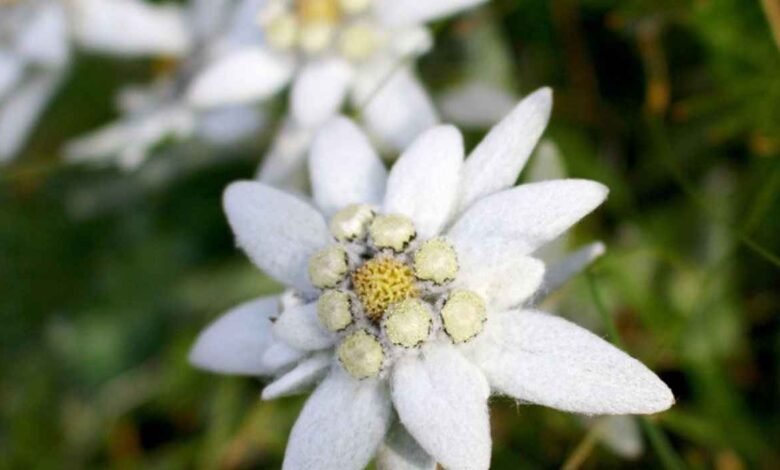
The rugged mountain ranges of Europe hold many botanical treasures, but few capture human imagination quite like high-altitude flora. Among these natural wonders, the edelweiss flower stands out as a true symbol of alpine purity, resilience, and timeless romance. Deeply embedded in European folklore, this delicate white blossom has inspired poets, mountaineers, and scientists across generations. Beyond its cultural fame, the plant possesses unique biological defenses that allow it to thrive in extremely harsh mountain weather. Understanding its natural heritage offers a fascinating look into how life adapts to rugged, high-elevation environments across rocky mountain crests.
Quick Bio
| Feature | Information |
|---|---|
| Common Name | Edelweiss |
| Scientific Name | Leontopodium nivale |
| Plant Family | Asteraceae (Daisy family) |
| Native Habitat | European Alps, Pyrenees, and high-altitude mountain ranges |
| Growth Habit | Low-growing perennial alpine plant |
| Foliage & Appearance | Woolly white star-shaped bracts surrounding tiny yellow flower heads |
| Sunlight & Climate | Full sun exposure; resistant to harsh frost, wind, and intense UV radiation |
| Conservation Status | Protected species in multiple European nations |
Botanical Classification and Taxonomic Background
The taxonomic classification of high-altitude flora reveals strong evolutionary links across diverse botanical families worldwide. Scientists categorize the plant within the Asteraceae family, making it a close relative of sunflowers, daisies, and dandelions. Its official scientific name, Leontopodium nivale, translates directly to lion’s paw of the snows, referencing its velvety texture and snowy habitat. Historically, botanists debated its precise origin, tracing its ancestral root system back to Asian steppes before migrating toward European alpine regions millions of years ago. Today, this plant remains one of the most distinctive representatives of cold-climate mountain vegetation across Europe.
Distinctive Physical Characteristics and Appearance
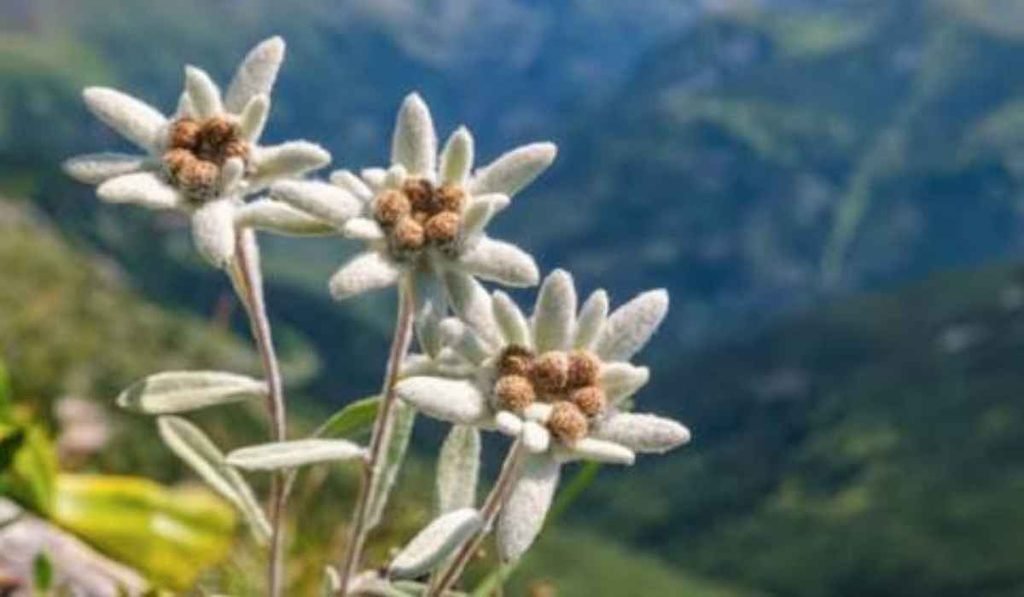
Recognizing high-altitude flora requires paying close attention to specialized physical traits developed over thousands of years. The central bloom appears as a collection of miniature yellow florets surrounded by plush, double-layered woolly white bracts arranged in a star pattern. These fuzzy outer leaves feature dense felt-like hair structures that reflect excessive solar heat and trap vital moisture near the stem. Ranging between two to eight inches in height, the plant presents a compact silken silhouette designed to withstand furious high-altitude gales. Its distinct silver-white shade creates a striking visual contrast against dark gray limestone cliffs.
Extreme Weather Adaptations and Survival Tactics
Thriving along rocky mountain ledges demands extraordinary survival mechanisms capable of withstanding freeze-thaw cycles and severe sunlight exposure. The plant relies on dense hair coverage containing UV-absorbent compounds that protect interior tissues from intense ultraviolet radiation at high altitudes. Deep taproot systems anchor the organism securely into loose gravel while reaching hidden moisture underground. Furthermore, specialized cell walls prevent frost damage by managing internal water distribution when temperatures drop below freezing levels overnight. Through these coordinated botanical defenses, the species endures ferocious winter blizzards, scorching summer sun, and steep soil erosion on rugged slopes.
High-Altitude Geographical Distribution and Habitat
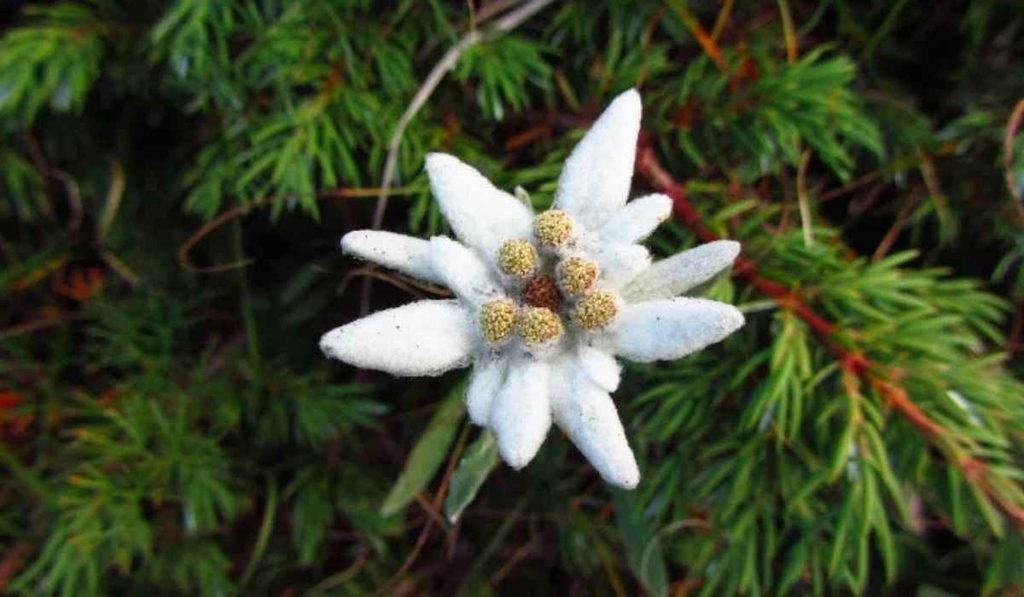
High-elevation environments across southern and central Europe serve as the primary natural domain for wild alpine vegetation. Natural habitats stretch across the Swiss Alps, Austrian mountain ranges, Italian Dolomites, Pyrenees, and select parts of the Carpathians. These plants typically flourish at elevations ranging from 5,000 to 10,000 feet above sea level, preferring well-drained, nutrient-poor calcareous limestone soils. Because tree lines recede at higher altitudes, the species claims open, sun-drenched rocky pastures and vertical cliff crevices where taller plants cannot survive. Finding wild clusters requires navigating challenging terrain far above dense pine forests.
Cultural Significance in Alpine Traditions and Folklore
European folklore frequently celebrates high-altitude mountain flora as enduring symbols of courage, romantic devotion, and rugged independence. In traditional alpine tales, brave young suitors scaled treacherous vertical cliffs to retrieve a wild bloom as an ultimate token of deep love. Wearers pinned dried blooms onto traditional felt hats, signaling pride, endurance, and deep familiarity with dangerous high-mountain paths. Over time, the plant evolved into an iconic regional emblem featured prominently on coins, military insignia, national tourism posters, and regional crests. It continues to represent the wild spirit of the Alps.
Protective Conservation Status and Legal Safeguards
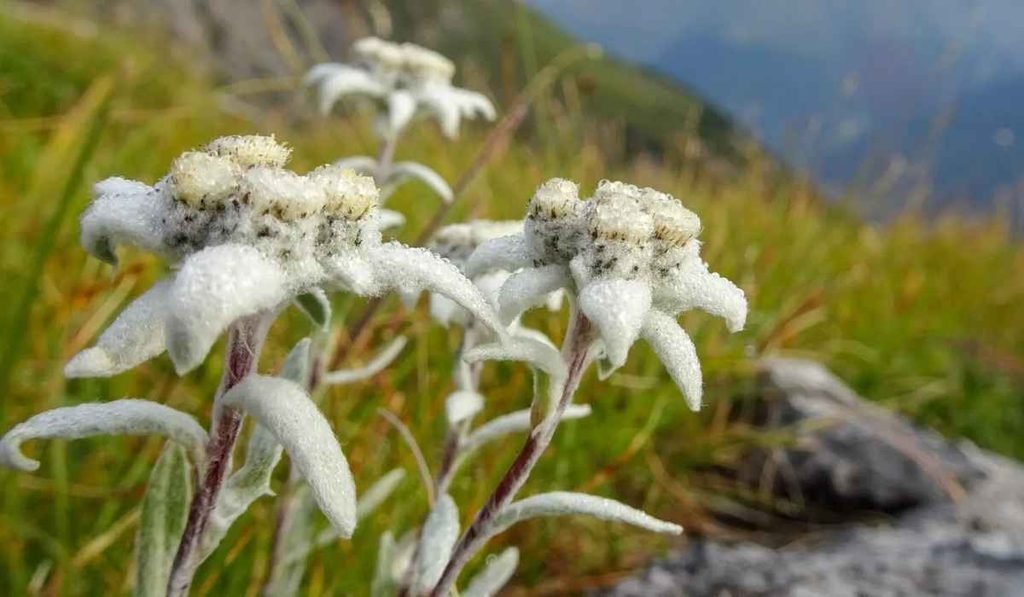
Uncontrolled harvesting by tourists and mountain collectors during the nineteenth century severely threatened wild plant populations across Europe. In response, countries like Switzerland, Austria, and Germany passed strict conservation laws rendering the pick of wild specimens completely illegal. Nature reserves and national parks actively monitor remaining wild colonies to prevent habitat disruption caused by expanding hiking infrastructure. Public awareness campaigns educate outdoor enthusiasts about preserving fragile high-altitude ecosystems without disturbing rare vegetation. Thanks to decades of legal protection and active environmental stewardship, wild colonies are gradually stabilizing in protected alpine valleys.
Agricultural Cultivation and Commercial Flower Gardening
While wild specimens remain strictly protected by law, horticultural breeders successfully domesticated select strains for home gardens. Gardeners cultivate cold-hardy varieties using sandy, well-draining soil mixtures combined with gravelly substrate to mimic natural mountain terrain. The plant requires abundant sunlight and minimalist watering routines, as excess moisture easily causes root decay in domestic beds. Home growers often incorporate these perennial blooms into rocky garden landscapes, alpine containers, and dry stone walls. Cultivated seeds allow plant lovers worldwide to enjoy mountain beauty without depleting fragile wild populations.
Natural Phytochemical Properties and Cosmetic Applications
Modern scientific research uncovers remarkable biochemical compounds contained within high-altitude plant tissues. Rich in powerful antioxidants, flavonoids, and leontopodic acids, plant extracts provide natural protection against oxidative stress and environmental damage. Cosmetic manufacturers regularly formulate anti-aging creams, sunscreens, and skin serums leveraging these soothing, skin-restoring organic compounds. The plant’s natural ability to endure intense solar radiation translates into protective benefits for human skin exposed to urban pollution. Sustainable commercial farming supplies extract producers, ensuring zero impact on wild mountain populations living in high-altitude habitats.
Symbolism in Modern Popular Culture and Media
Beyond traditional folklore, high-altitude mountain imagery maintains a strong presence across global pop culture and media representation. The world-famous song from The Sound of Music cemented the plant’s reputation worldwide as a poignant symbol of homeland warmth and enduring peace. International mountaineering clubs, outdoor apparel brands, and luxury watchmakers frequently adopt the flower shape within official logos to convey premium quality and rugged durability. This enduring cultural legacy bridges ancient mountain traditions with modern design, reminding global audiences of pristine natural landscapes that remain unpolished, wild, and completely free.
Role within Fragile Mountain Ecosystems
High-altitude ecosystems depend on specialized plant life to maintain soil stability and support localized insect populations. The plant’s deep root structures anchor loose gravel on steep mountain slopes, helping prevent topsoil erosion caused by melting snowpack. During brief alpine summers, tiny yellow florets provide vital nectar and pollen for high-altitude bumblebees, flies, and specialized mountain beetles. By occupying extreme ecological niches where few other species survive, the plant enriches biodiversity across rocky terrain. Protecting these floral clusters ensures overall stability for interconnected alpine wildlife living near timberline heights.
Comparison with Similar Alpine Plant Species
Differentiating mountain flora involves examining subtle structural variations among high-elevation botanical species. While many alpine plants feature low-growing rosettes to dodge harsh winds, few possess the distinct fuzzy felt texture characterizing this famous species. Mountain avens and alpine aster share similar rocky habitats, yet their petal arrangements and foliage structures differ significantly under close inspection. Other members of the Asteraceae family display vibrant colors, whereas this species relies on silvery-white tones for solar reflection. Comparing these physical adaptations highlights how different plants solve environmental challenges at high elevations.
Seasonal Growth Patterns and Life Cycle
Understanding the annual cycle of high-altitude flora offers insight into how perennial mountain plants endure changing seasons. During cold winter months, the visible above-ground foliage dies back while root systems remain dormant beneath heavy snow blankets. As spring warmth melts high-elevation snowpack, fresh gray-green leaves emerge rapidly from underground root crowns to absorb early sunlight. Flowering typically occurs between mid-July and late August, giving the plant a brief window to attract pollinators before autumn frosts arrive. After seed dispersal, the organism prepares once again for winter dormancy.
Historical Uses in Traditional Mountain Medicine
Before modern pharmaceuticals emerged, traditional mountain communities relied heavily on local flora to treat everyday ailments. Rural herbalists prepared soothing teas from dried leaves and flower heads to alleviate respiratory complaints, coughs, and stomach distress. The plant’s natural anti-inflammatory and antibacterial properties provided remedies for skin irritations, abdominal cramps, and feverish conditions among isolated alpine villagers. While modern medicine replaces crude herbal preparations today, biochemical analysis confirms that traditional healers correctly identified beneficial organic compounds contained within the plant’s leaves, stems, and flower heads.
Seed Dispersal Mechanisms and Propagation Tactics
Reproducing successfully in wind-swept mountain environments requires efficient seed dispersal strategies adapted to open terrain. Once pollination completes, tiny individual seeds develop light, feathery structures known as a pappus, similar to common dandelion seeds. Powerful high-altitude winds easily catch these airborne seed structures, carrying them across vast distances, rocky canyons, and steep mountain ridges. This wind-driven dispersal allows the species to colonize remote limestone crevices where competition for sunlight and space remains minimal. High germination rates in bare mineral soil ensure new colonies establish securely.
Soil Chemistry and Geomorphological Preferences
Substrate composition plays a critical role in determining where wild mountain flora can successfully establish root systems. The species demonstrates a strong preference for alkaline, calcareous limestone soils rich in calcium carbonate but low in organic matter. Well-draining rocky gravel prevents water stagnation around delicate root zones, protecting the plant from fungal infections during heavy rainstorms. Additionally, mineral-dense substrates provide essential trace elements that strengthen cell walls against freezing weather. Understanding these soil preferences enables commercial growers to replicate natural habitat conditions in specialized garden environments.
Climate Change Threats and Environmental Challenges
Global warming presents severe long-term challenges for fragile high-altitude ecosystems across mountain ranges worldwide. As average temperatures rise, tree lines and lower-altitude plant species migrate upward, invading historic alpine habitats and competing for limited soil space. Shifting precipitation patterns and shrinking winter snowpacks expose dormant root systems to unexpected freeze events without protective snow cover. Furthermore, erratic summer weather patterns disrupt delicate pollination schedules between plants and native insects. Conservationists actively study these environmental pressures to develop effective monitoring programs that safeguard high-altitude biodiversity.
Architectural Design and Artistic Inspiration
The elegant geometric symmetry of high-altitude floral structures frequently inspires artists, architects, and industrial designers. Decorative motifs featuring the distinct star-shaped pattern appear in traditional wood carvings, embroidered alpine costumes, and vintage iron balconies throughout mountain villages. Modern jewelry designers frequently craft silver and gold pendants reflecting the delicate fuzzy texture of the famous bloom. In contemporary architecture, structural engineers occasionally mirror the plant’s thermal reflection properties to design energy-efficient building facades. This seamless blend of natural beauty and practical functionality continues to inspire human creativity.
Photoprotective Chemistry and Scientific Research
Scientific interest in alpine plant biochemistry continues to expand as researchers study cellular protection mechanisms against environmental stress. The species produces complex phenolic compounds and flavonoids designed specifically to absorb ultraviolet radiation while neutralizing harmful free radicals inside plant cells. Pharmacologists study these synthesized molecules to engineer advanced dermatological treatments, synthetic sunscreens, and protective antioxidant supplements. By deciphering how mountain flora survives extreme solar radiation at high altitudes, scientists uncover innovative biochemical solutions applicable to human health care and environmental protection technologies.
Outdoor Ethical Guidelines for Mountain Hikers
Exploring high-altitude trails requires practicing responsible outdoor ethics to protect vulnerable mountain vegetation from human disturbance. Hikers should remain on designated paths to avoid trampling sensitive root systems growing alongside rocky mountain tracks. Taking photographs replaces picking wild specimens, ensuring that natural floral displays remain intact for future generations to enjoy in their native habitat. Additionally, avoiding littering and minimizing trail erosion helps preserve delicate soil chemistry required for seed germination. By following sustainable outdoor practices, mountain enthusiasts actively contribute to protecting fragile high-altitude ecosystems.
Summary of Natural Heritage and Future Preservation
Preserving high-altitude botanical heritage requires sustained international cooperation, rigorous legal protection, and ongoing scientific research. The enduring story of this legendary mountain flower highlights how nature creates remarkable beauty through survival, adaptation, and ecological resilience. As global awareness around environmental conservation grows, protecting rare mountain plants remains a vital priority for maintaining world biodiversity. By balancing sustainable tourism with environmental stewardship, society ensures that iconic mountain blooms continue to flourish naturally across lofty European summits for centuries to come.
Frequently Asked Questions
- Where does the plant naturally grow in the wild?
- The species grows naturally across high-altitude limestone rocks in the European Alps, Pyrenees, and Carpathians.
- Is it illegal to pick wild specimens in Europe?
- Yes, strict environmental conservation laws render picking wild blooms entirely illegal across European mountain nations.
- Why does the plant feature woolly white leaves?
- Dense woolly hairs reflect intense ultraviolet radiation while protecting interior plant tissues from freezing winds.
- Can you cultivate this species in home gardens?
- Home gardeners can successfully grow domesticated varieties using sandy, well-draining soil in sun-drenched rock beds.
- What primary benefits do plant extracts provide in skincare?
- Plant extracts contain powerful antioxidants that protect skin against environmental pollution and premature oxidative stress.