
Liz murrill indictment dismissal: 10 Best Proven Ultimate Legal Facts & Amazing Latest News
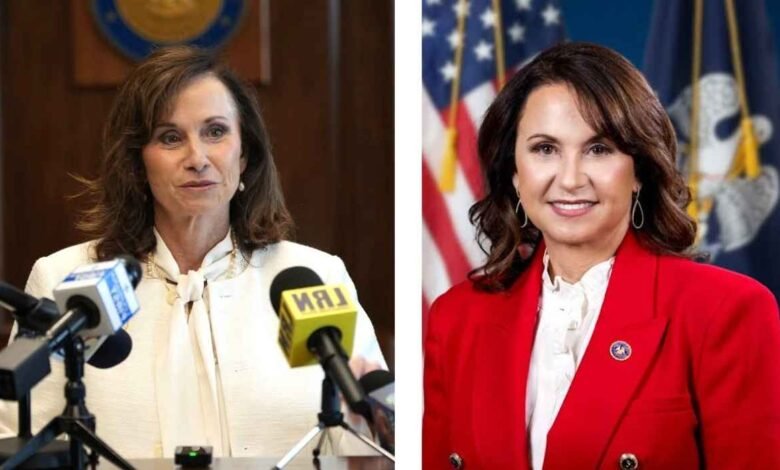
The legal proceeding known as the liz murrill indictment dismissal marks a highly significant turning point in modern American state jurisprudence and executive governance. When the special prosecutor formally moved to drop all pending counts against the sitting state official, it brought a swift end to an extraordinary conflict between local prosecutors and state executive leadership. Understanding how this dismissal developed requires examining the initial grand jury findings, the nature of the underlying dispute, and the rapid judicial intervention that followed. The complete case history provides a detailed blueprint of how administrative disagreements can escalate into legal battles before reaching a decisive conclusion.
Quick Bio
| Property | Details |
| Full Name | Elizabeth Baker Murrill |
| Position | Attorney General of Louisiana |
| Office Assumed | January 8, 2024 |
| Case Subject | 16-count indictment regarding parish election communications |
| Special Prosecutor | Laurie White |
| Resolution | All charges fully dismissed in July 2026 |
Understanding the Liz Murrill Indictment Dismissal Background
The origins of the liz murrill indictment dismissal can be traced directly to an intense conflict regarding local municipal governance and state oversight. The dispute arose after official communication was issued concerning local court positions and municipal election procedures in Orleans Parish. Local authorities contended that the official notices crossed legal boundaries, leading directly to a grand jury presentation. However, legal scholars emphasized from the start that statutory duty and official discretionary power formed the foundation of the state official’s actions. As a result, the subsequent dismissal highlighted the legal protections afforded to state officers carrying out their assigned statutory duties.
Initial Allegations Leading to the Grand Jury Action
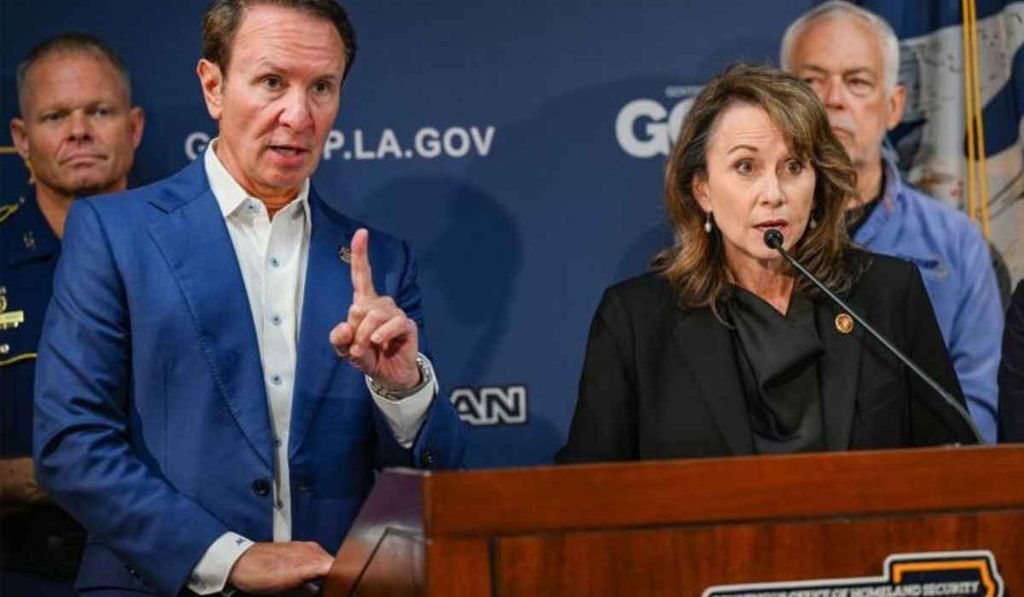
Before the liz murrill indictment dismissal occurred, an Orleans Parish grand jury returned a sixteen-count indictment alleging malfeasance in office and intimidation. The core of the indictment focused on official correspondence sent to local city officials regarding a special election. Prosecutors asserted that the formal letters contained unlawful threats regarding municipal funding and authority. Defense attorneys immediately countered that these communications were standard legal notices within the executive scope of authority. The resulting legal challenge set the stage for an immediate review by higher judicial bodies and independent legal counsel.
Judicial Intervention by the Louisiana Supreme Court
Following the initial indictment, the path toward the liz murrill indictment dismissal was accelerated by immediate intervention from the Louisiana Supreme Court. The state supreme court granted a stay of proceedings, effectively freezing lower court actions while the underlying validity of the charges was examined. Furthermore, the high court quashed an outstanding arrest warrant, signaling serious judicial concerns regarding the procedural foundation of the criminal prosecution. This critical intervention protected constitutional checks and balances while independent prosecutors reviewed the evidentiary record. The high court’s orders created the necessary framework for an impartial evaluation of the entire matter.
Role of the Special Prosecutor in the Case Resolution
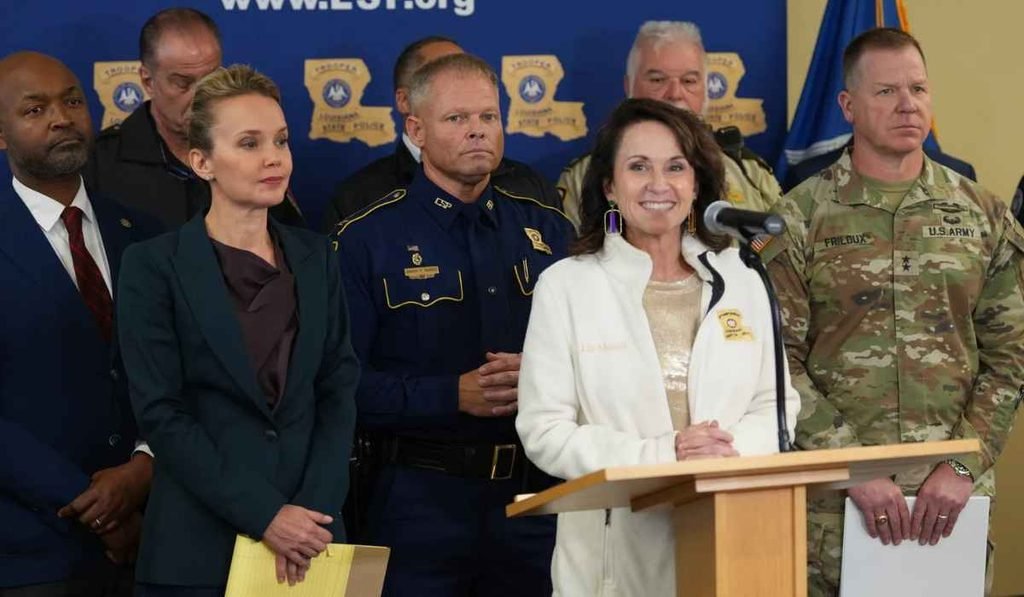
The appointment of an independent special prosecutor played a crucial role in bringing about the liz murrill indictment dismissal. Special prosecutor Laurie White was tasked with conducting a thorough and impartial review of all grand jury materials and official correspondence. Upon evaluating the evidence, the special prosecutor determined that criminal charges were unwarranted and moved to dismiss the entirety of the indictment. This decision demonstrated the vital importance of independent prosecution in cases involving political and jurisdictional friction. The formal motion brought immediate clarity to a matter that had drawn widespread public attention.
Executive Authority and Communications Standards
A central issue addressed during the liz murrill indictment dismissal process was the boundary of executive communication by state legal officials. Attorneys general routinely issue formal legal guidance, warning notices, and advisory opinions to political subdivisions. Criminalizing official guidance risks creating a dangerous precedent that could paralyze necessary government oversight and statutory enforcement. By dropping the charges, prosecutors acknowledged that public statements made in an official capacity must not be lightly converted into criminal counts. This legal standard preserves the ability of state officers to communicate clear regulatory expectations.
Intergovernmental Friction Between State and City Leadership
The events that necessitated the liz murrill indictment dismissal reflected broader political and administrative friction between state leadership and local municipal governing bodies. Disagreements regarding municipal election timing and court clerk vacancies had simmered for several months prior to the formal indictment. When state authorities sought to enforce strict statutory compliance, local officials perceived the enforcement measures as political interference. The legal resolution ultimately established that institutional disputes should be resolved through civil administrative channels rather than criminal courts. This outcome restored established norms for managing intergovernmental conflicts.
Public and Political Reactions to the Dropped Charges
Reactions across the state following the liz murrill indictment dismissal were immediate and pronounced throughout political and legal circles. State executive officials praised the dismissal as a necessary vindication of statutory authority and official immunity. Conversely, municipal leaders acknowledged the special prosecutor’s decision while emphasizing the need for respectful dialogue between governmental tiers. Legal analysts noted that the swift resolution prevented a prolonged constitutional crisis within the state’s executive and judicial branches. The public response underscored the high stakes involved when criminal statutes are applied to high-ranking officials.
Grand Jury Procedures and Prosecutorial Discretion
The circumstances surrounding the liz murrill indictment dismissal brought renewed scrutiny to grand jury procedures and prosecutorial discretion in high-profile cases. Questions were raised regarding the presentation of evidence and whether adequate exculpatory material had been provided to the grand jury. Defense counsel sought full access to grand jury transcripts and communications between local authorities to establish procedural irregularities. The subsequent dismissal by the special prosecutor validated concerns that the original proceeding lacked the legal weight required for criminal prosecution. This development highlighted the essential role of neutral oversight in grand jury matters.
Statutory Malfeasance Definitions in State Law
The statutory provisions central to the liz murrill indictment dismissal involved state definitions of malfeasance in office and official intimidation. Under state jurisprudence, malfeasance requires proving that a public official intentionally performed an act unlawful or clearly prohibited by law. Simply issuing firm policy directives or legal warnings does not meet the high evidentiary bar established for criminal malfeasance. The dismissal confirmed that statutory interpretation must remain grounded in clear legislative intent rather than expansive prosecutorial theories. This clarification helps safeguard public servants against overbroad applications of criminal statutes.
Impact on State Legal Representation and Operations
Throughout the duration of the case, the liz murrill indictment dismissal remained a critical priority for maintaining continuous state legal operations. Despite the legal challenge, the Department of Justice continued its routine work representing state agencies and prosecuting consumer fraud. The temporary stay issued by the state supreme court ensured that executive functions proceeded without administrative interruption. Once the special prosecutor filed the formal dismissal, full administrative focus returned entirely to state legal representation. The seamless continuity preserved public trust in the state’s chief legal office.
Defense Legal Strategies and Motions Filed
The successful defense strategy leading to the liz murrill indictment dismissal relied on rapid constitutional challenges and jurisdictional motions. Defense counsel filed immediate petitions highlighting the constitutional protections governing official state communication. They successfully argued that local criminal courts lacked the authority to penalize state officers for carrying out duty-bound oversight functions. These comprehensive legal filings prompted the state supreme court to halt proceedings early in the process. Ultimately, this robust defense framework demonstrated the invalidity of the underlying charges.
Media Coverage and Public Information Transparency
Media reports surrounding the liz murrill indictment dismissal played a significant role in informing the public about complex constitutional issues. News outlets across the region provided detailed coverage of each development, from the initial indictment to the final dismissal order. Comprehensive reporting helped demystify the legal distinctions between official executive actions and actual criminal conduct. As a result, the public gained a clearer understanding of how legal systems handle conflicts between different levels of government. Transparent information access ensured that the proceedings remained open to scrutiny.
Precedential Value for Future State Officials
The legal outcome realized in the liz murrill indictment dismissal creates an important precedent for future state executive officers and local authorities. It reinforces the principle that policy disagreements and statutory interpretations should not be converted into criminal indictments. Future officials can rely on this resolution as an example of judicial protection against overreaching local prosecutions. By upholding traditional limits on prosecutorial authority, the case preserves necessary executive independence. The ruling establishes clear guidelines for managing future jurisdictional disputes safely.
Analysis of Election Law and Municipal Compliance
The core disagreement behind the liz murrill indictment dismissal centered on the application of state election laws to local office vacancies. State law dictates precise schedules and notification requirements when special elections are called to fill judicial or administrative positions. The state legal office insisted upon strict adherence to statutory deadlines, whereas local authorities sought greater local flexibility. The ultimate dismissal reinforced the understanding that state oversight in election compliance is a valid administrative duty. This outcome clarified the boundaries of election law enforcement statewide.
Restoration of Stability in State Legal Affairs
Achieving the liz murrill indictment dismissal provided immediate institutional relief and restored stability to the state’s legal framework. Unfounded criminal charges against a sitting attorney general create unnecessary uncertainty for state agencies and external legal partners. Removing the indictment completely eliminated these legal distractions, allowing key state initiatives to proceed without impediment. State legal teams were able to refocus their full resources on representing public interests. The prompt resolution maintained continuity across all department operations smoothly.
Institutional Lessons for Local and State Governance
The narrative ending in the liz murrill indictment dismissal offers valuable institutional lessons for local and state governance structures. It highlights the critical importance of maintaining open communication channels before escalating administrative disputes to formal legal actions. Both state and municipal bodies benefit when policy differences are addressed through collaborative legal reviews rather than grand jury subpoenas. The case serves as a striking reminder that legal mechanisms must be used judiciously to protect government integrity. Governance functions best when intergovernmental trust is preserved carefully.
Long-Term Implications for Louisiana Jurisprudence
Looking toward the future, the liz murrill indictment dismissal will remain a key reference point in state constitutional law discussions. Scholars will continue analyzing the intersection of official legal immunity, municipal autonomy, and prosecutorial discretion. The swift quashing of the original warrant and the independent dismissal set strong benchmarks for judicial intervention. These legal actions protect state governance from being disrupted by localized political conflicts. The long-term impact guarantees greater legal stability for elected leadership nationwide.
Comprehensive Review of the Dismissal Proceedings
In a final review, the liz murrill indictment dismissal represents a complete legal resolution of a complex intergovernmental dispute. From the initial sixteen-count grand jury return to the final motion filed by special prosecutor Laurie White, every stage highlighted vital legal principles. The decisive intervention of the state supreme court proved essential in maintaining constitutional balance throughout the state. Ultimately, the dismissal restored official standing and reaffirmed the legitimate scope of state legal authority. The outcome stands as a firm precedent in modern jurisprudence.
Final Conclusion on the Legal Resolution
The formal realization of the liz murrill indictment dismissal decisively closes a contentious chapter in state legal history. By removing all criminal counts, the justice system demonstrated its internal capacity to correct overreach and uphold constitutional norms. State officials can continue executing their statutory obligations with clear expectations regarding their communications and oversight responsibilities. This complete dismissal ensures that official legal oversight remains protected from inappropriate criminalization in the future. Detailed records and legal analyses can be reviewed.
FAQs
- What was the main reason behind the liz murrill indictment dismissal?
- The special prosecutor found that the felony charges lacked legal merit and involved standard official communications.
- How many charges were dropped in the dismissal?
- All 16 felony counts brought by the local grand jury were fully dismissed by the special prosecutor.
- Which court intervened early in the legal proceedings?
- The Louisiana Supreme Court issued an immediate stay and quashed the outstanding arrest warrant during appeal.
- Who served as the special prosecutor for this case?
- Special prosecutor Laurie White was appointed to independently review and handle the final disposition of the charges.
- Did the dismissal allow the official to remain in office?
- Yes, the full dismissal permanently cleared the official to continue serving as Attorney General without restriction.