Harold ford jr mother and father: 5 Amazing Ultimate Family Facts & Best Biography

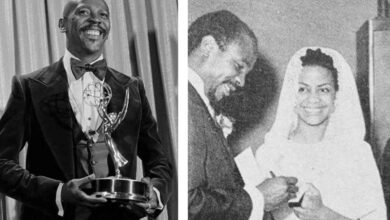
The political landscape of the United States has been shaped Harold ford jr mother and father by numerous prominent dynasties, but few families have left as distinct a mark on Tennessee politics as the Fords. At the center of this legacy stands Harold Ford Jr., a former U.S. Representative whose career in public service captured national attention. Understanding his journey requires looking closely at his foundational roots, particularly the profound influence of his mother and father. The life and trajectory of Harold Ford Jr. are deeply intertwined with the values, ambitions, and community leadership instilled by his parents from a very young age in Memphis.
Quick Bio of Harold Ford Jr.
| Attribute | Detail |
|---|---|
| Full Name | Harold Eugene Ford Jr. |
| Birth Date | May 11, 1970 |
| Birthplace | Memphis, Tennessee, U.S. |
| Father | Harold Ford Sr. |
| Mother | Dorothy Bowles Ford |
| Education | University of Pennsylvania (B.A.), University of Michigan Law School (J.D.) |
| Political Party | Democratic |
| Profession | Politician, Business Executive, Commentator |
Early Beginnings in Memphis and Family Foundations
Growing up in Memphis, Tennessee, provided a unique environment defined by intense civic engagement and community leadership. The city was undergoing significant social and political changes during the civil rights movement and the decades that followed. Within this dynamic atmosphere, the Ford household served as a central hub for discussions regarding community advancement and political strategy. Young children often absorb the ambitions of their guardians, and this household was no exception. Every conversation revolved around public duty, uplifting minority communities, and fostering positive institutional changes. These early lessons laid the groundwork for a lifelong commitment to public service and leadership.
The Historic Political Career of Harold Ford Sr.

The father of Harold Ford Jr., Harold Ford Sr., achieved remarkable political milestones by breaking significant racial barriers in Tennessee and the United States Congress. Serving as a U.S. Representative from 1975 to 1996, he became one of the most influential African American politicians of his era. His legislative victories demonstrated exceptional skill in coalition building and constituent services. He mastered the art of addressing local needs while navigating complex federal policies. For his son, witnessing these historic achievements firsthand offered an unmatched masterclass in retail politics, public advocacy, and the immense dedication required to represent diverse constituencies effectively in Washington.
The Quiet Strength and Influence of Dorothy Bowles Ford
While the father occupied the public spotlight through legislative battles and campaigns, the mother, Dorothy Bowles Ford, provided crucial stability and moral grounding. Dorothy maintained a supportive environment that insulated the children from the intense pressures of political life. Her dedication to education, ethical conduct, and personal integrity remained unwavering throughout the decades. She emphasized the importance of humility, faith, and academic excellence, ensuring that her children remained grounded despite their prominent social standing. Her quiet strength and steadfast guidance served as an emotional anchor, balancing the high-octane political ambitions that defined the external environment of the household.
Balancing Public Expectations and Private Family Life
Navigating childhood under the constant scrutiny of the media and political adversaries presents extraordinary challenges for any family. The parents made concerted efforts to carve out private spaces where normal childhood milestones could be celebrated away from public cameras. Family dinners, church attendance, and quiet weekends provided essential moments of normalcy. This deliberate boundary-setting helped foster a healthy psychological environment for the growing children. It taught them how to maintain a strong sense of personal identity independent of public approval or political titles, a lesson that proved invaluable when they eventually stepped into the public arena themselves.
Educational Emphasis and Academic Achievement
Education was treated as a non-negotiable priority within the household, with both parents setting exceptionally high academic standards. Academic rigor was reinforced daily through structured study habits, stimulating intellectual discussions, and a deep appreciation for history and literature. The expectation was not merely to pass classes, but to master subjects and understand their broader societal implications. This rigorous intellectual training prepared the children for elite academic institutions. It also instilled a lifelong love for learning, critical analysis, and strategic thinking, which became hallmarks of their later professional endeavors in law, business, and public policy.
The Importance of Civic Duty and Community Service

Public service was never presented merely as a career option; it was framed as a moral obligation to society. The family actively participated in local charitable initiatives, church programs, and neighborhood outreach efforts. Seeing their parents dedicate countless hours to helping constituents and uplifting the underprivileged left a lasting impression. This hands-on involvement taught the younger generation that true leadership requires genuine empathy and active listening. They learned to value every individual voice within a community, recognizing that effective governance must address the tangible daily struggles of ordinary citizens rather than abstract political theories.
Mentorship and Political Strategy Lessons at Home
Living with a seasoned congressman meant that political strategy and governance were frequent topics around the dinner table. The father shared insights into how legislative compromises were forged, the intricacies of electoral campaigns, and the importance of bipartisan dialogue. These informal mentoring sessions provided a sophisticated understanding of political dynamics long before formal schooling began. The children learned how to articulate complex ideas clearly, persuade skeptical audiences, and build lasting alliances. This practical mentorship accelerated their readiness for leadership roles, giving them a distinct advantage when they chose to enter the competitive arena of public service.
Cultural Heritage and Deep Southern Roots
The family’s deep roots in the American South profoundly influenced their worldview, resilience, and cultural identity. The historical struggles and triumphs of African Americans in the region formed a vital part of the family narrative. Understanding this rich heritage instilled a profound sense of pride and responsibility toward advancing civil rights and economic equity. The elders ensured that the younger generation appreciated the sacrifices made by previous generations to secure voting rights and political representation. This historical awareness anchored their political philosophies, ensuring that their advocacy remained deeply connected to the pursuit of justice and equality for all.
Transitioning from Second Generation to National Prominence
As Harold Ford Jr. matured, he prepared to carry the family torch into a new century and a changing political landscape. Armed with degrees from prestigious universities and invaluable lessons from his upbringing, he launched his own successful bid for Congress in 1996. Winning the seat previously held by his father marked a historic generational transfer of political power. However, establishing his own distinct identity required balancing the benefits of a famous family name with the need to prove his individual competence. Through hard work, moderate policy stances, and charismatic communication, he successfully carved out a unique national profile.
Navigating Scrutiny and Defining an Independent Legacy
Carrying a famous political surname comes with intense scrutiny, high expectations, and occasional skepticism from political opponents. Critics frequently attempt to frame political success solely as a product of family lineage rather than individual merit. Overcoming this narrative required demonstrating exceptional legislative skill, tireless campaigning, and independent policy positions. By focusing on fiscal responsibility, education reform, and bipartisan cooperation, the younger leader earned respect across the political spectrum. This deliberate effort to define an independent political identity ensured that his accomplishments were recognized on their own distinct merits and hard work.
The Role of Faith and Spiritual Guidance in the Household
Spiritual grounding played a central role in daily family life, offering guidance, comfort, and moral clarity during challenging times. Active participation in church communities reinforced values of compassion, forgiveness, and service to the less fortunate. Sunday services provided a regular opportunity for reflection and connection with the broader community. This strong faith tradition helped the family maintain resilience when facing political controversies or public skepticism. It provided a steady moral compass that transcended the shifting tides of public opinion, ensuring that ethical considerations always remained at the forefront of their public and private decisions.
Philanthropic Commitments and Charitable Endeavors
Beyond electoral politics, the family maintained a strong tradition of supporting philanthropic causes focused on education, health, and economic empowerment. Contributions to local scholarships, community centers, and health initiatives helped create lasting infrastructure for disadvantaged youth in Memphis. These charitable efforts reflected a holistic approach to community development, recognizing that government policy alone cannot solve every societal challenge. By investing personal resources and time into grassroots organizations, the family demonstrated a sincere, long-term commitment to improving the quality of life for residents throughout the region.
Generational Evolution in Political Messaging and Style
While the father operated during an era of traditional party politics and grassroots mobilization, the son adapted to a modern media landscape characterized by 24-hour news cycles and digital communication. This generational shift required new approaches to messaging, public speaking, and voter engagement. The younger leader embraced television appearances, digital platforms, and national commentary to reach broader audiences beyond his immediate district. Despite these stylistic differences, the core message of economic opportunity, racial inclusion, and effective governance remained consistent, bridging the gap between traditional civil rights advocacy and contemporary political pragmatism.
Public Recognition and the Enduring Family Name
Today, the family name remains synonymous with political history, leadership, and public discourse in Tennessee and across the nation. The contributions made by the parents and their children have been documented in numerous historical accounts, academic studies, and media retrospectives. Public recognition serves as a testament to their lasting impact on American political institutions. Even as individual career paths evolve into the private sector, media commentary, and corporate governance, the legacy of service established decades ago continues to inspire new generations of aspiring civic leaders across the country.
Lessons in Resilience Amid Political and Personal Challenges
No prominent political family escapes controversy, public criticism, or personal trials over the course of multiple decades in the spotlight. Facing these challenges required immense emotional resilience, unity, and strategic patience. The parents instilled a philosophy of perseverance, teaching their children that setbacks are merely temporary obstacles on the path to larger goals. This resilient mindset enabled the family to weather electoral defeats, intense media scrutiny, and shifting political climates without losing their core focus or sense of purpose. Such trials ultimately strengthened their family bond and sharpened their professional resolve.
Broadening Horizons Beyond Regional Politics
While Memphis remained the spiritual and political home base, the family’s influence gradually expanded onto the national stage through corporate leadership, media commentary, and national policy discussions. Transitioning from regional governance to national platforms allowed them to address broader economic and social challenges affecting the entire country. This evolution demonstrated versatility and a capacity to adapt to changing professional environments. By engaging with national business leaders, policymakers, and civic organizations, they successfully translated local grassroots experience into broader insights on national economic competitiveness and governance.
The Continuing Relevance of Family Values in Modern Politics
The foundational values established by the parents—integrity, hard work, education, and civic responsibility—remain profoundly relevant in contemporary political discourse. In an era marked by deep political polarization, the emphasis on bridge-building and pragmatic governance championed by the family offers a valuable blueprint for effective leadership. Their journey illustrates that lasting political success is built upon authentic community connections, rigorous preparation, and moral clarity. As political systems continue to evolve, the enduring lessons of this influential family continue to resonate with analysts, historians, and future politicians alike.
Reflections on a Remarkable Political Dynasty
Looking back at the trajectory of the family reveals a remarkable story of ambition, perseverance, and dedication to public service. From local civil rights struggles to the halls of the United States Congress, their journey mirrors the broader evolution of American democracy over the past half-century. The partnership between Harold Ford Sr. and Dorothy Bowles Ford created a nurturing yet demanding environment that produced exceptional leaders. Their collective legacy serves as a powerful reminder of how strong parental guidance, coupled with unwavering community commitment, can shape history and leave an indelible mark on the nation.
Conclusion: A Lasting Legacy in American History
The story of the family is ultimately a testament to the enduring power of education, public service, and strong family foundations in American society. Through decades of historic triumphs and inevitable challenges, the family has maintained its commitment to progress and leadership. The foundational contributions of the parents ensured that their children were fully prepared to navigate the complexities of public life. As historians continue to examine the dynamics of modern American political dynasties, the impact of the family will undoubtedly remain a central subject of study, inspiring future generations of leaders. For more information regarding political histories and notable families, you can explore the SEO FRIENDLY.
Frequently Asked Questions
- Q: Who are the parents of Harold Ford Jr.?
- A: His parents are Harold Ford Sr. and Dorothy Bowles Ford.
- Q: What is Harold Ford Sr. best known for?
- A: He is best known for serving as a prominent U.S. Representative from Tennessee for over two decades.
- Q: What role did Dorothy Bowles Ford play in the family?
- A: She provided stability, emphasized education, and maintained a supportive private home environment amidst public political pressures.
- Q: Where was Harold Ford Jr. born and raised?
- A: He was born and raised in Memphis, Tennessee.
- Q: Is Harold Ford Jr. still active in public life?
- A: He works primarily in finance, business executive roles, and political commentary on national television networks.