
Carlos scola pliego: 5 Amazing Ultimate Biography Facts & Best Career Story
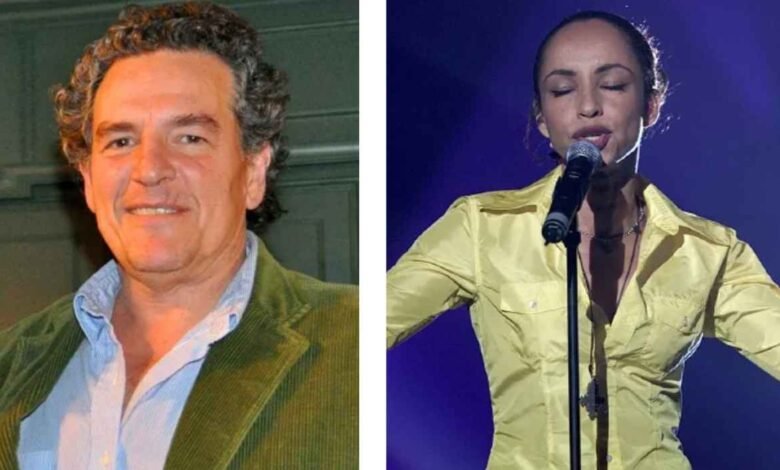
Understanding the private life and creative background of Carlos Scola Pliego reveals a fascinating journey through European cinema, wildlife documentaries, and international music history. Born in Spain, this accomplished director and script supervisor earned widespread recognition behind the camera long before entering the global spotlight. While many fans recognize him primarily for his high-profile marriage to British-Nigerian vocalist Sade Adu, his professional portfolio includes major Hollywood productions, African conservation films, and decades of dedicated visual storytelling. Exploring his artistic path highlights a man who consistently valued creative integrity, privacy, and meaningful cinematic craft over fleeting celebrity fame.
Quick Bio
| Attribute | Details |
| Full Name | Carlos Scola Pliego |
| Nationality | Spanish |
| Profession | Film Director, Documentary Filmmaker, Script Supervisor, Assistant Director |
| Known For | Spanish and Hollywood Cinema, Wildlife Documentaries, Former Husband of Sade Adu |
| Marriage | Sade Adu (Married 1989; Divorced 1995) |
| Notable Projects | Never Say Never Again (1983), Ngira: Gorilas en la montaña (1988), Goal II: Living the Dream (2007) |
| Current Status | Living a private life away from the public spotlight |
Early Life and Spanish Roots
Growing up in Spain, Carlos Scola Pliego developed an early fascination with visual arts, photography, and European storytelling traditions. Surrounded by a rich cultural environment in Madrid, he cultivated an appreciation for how lighting, framing, and narrative pacing shape human emotion on screen. Rather than seeking attention in front of the camera, he gravitated toward the technical and creative mechanics of movie production. His formative years instilled a disciplined work ethic and quiet determination that guided his career across international film sets, allowing him to master the foundational crafts of continuity, production logistics, and documentary direction during his youth.
Entering the Film Industry
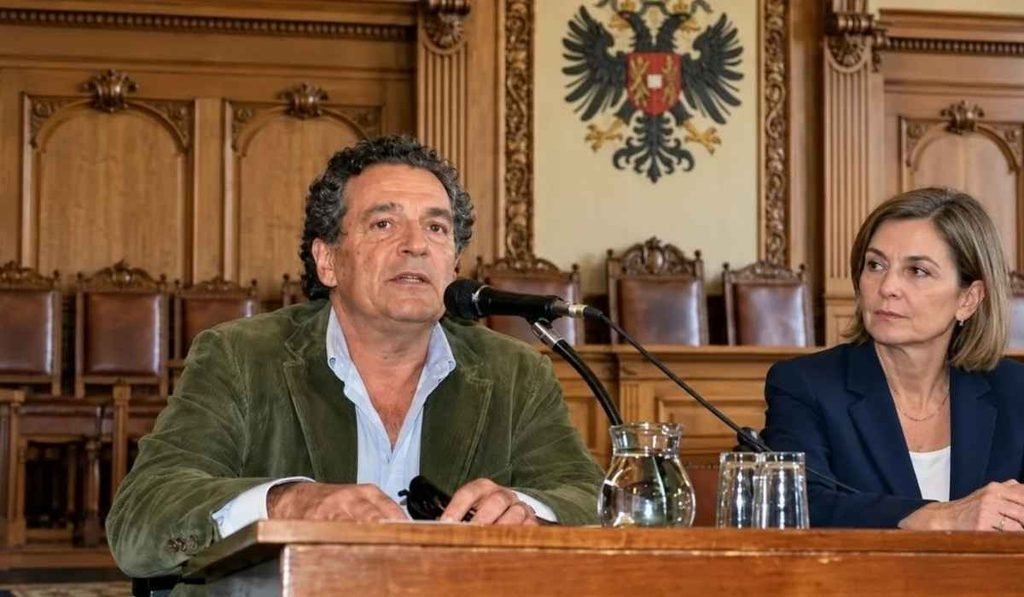
During the late nineteen-seventies, Carlos Scola Pliego officially entered the Spanish cinema sector by taking on essential behind-the-scenes roles. Beginning his professional journey as a script supervisor, he assumed responsibility for maintaining visual and narrative continuity across complex shooting schedules. This meticulous position required tracking every detail of wardrobe, dialogue, camera angles, and actor movements from one take to the next. Working closely with directors and cinematographers gave him invaluable hands-on education in film grammar. These early experiences established his reputation as a reliable, detail-oriented technician capable of supporting ambitious productions under tight deadlines and demanding on-location conditions.
Working as an Assistant Director
Building upon his continuity background, Carlos Scola Pliego transitioned into assistant directing roles during the nineteen-eighties, expanding his influence on major sets. As a second assistant director, he coordinated cast schedules, managed background extras, and acted as a vital communication bridge between the director and production departments. This demanding role sharpened his organizational leadership and problem-solving skills on international shoots filmed across Spain. By handling daily call sheets and logistical challenges with calm efficiency, he earned trust from veteran producers and international crews, paving the way for his involvement in several high-budget commercial releases during that decade.
Involvement in James Bond Cinema

One notable milestone in the career of Carlos Scola Pliego occurred in nineteen-eighty-three when he joined the crew of Never Say Never Again. This high-profile James Bond adventure starred Sean Connery and Kim Basinger, featuring extensive location filming along the Spanish coast and in Almería. Serving as an uncredited second assistant director for the Spanish unit, he helped coordinate complex action sequences and international crew logistics. Working on a globally recognized franchise exposed him to large-scale Hollywood production standards, stunt coordination, and multi-unit filmmaking, enriching his technical repertoire and demonstrating his capability within major commercial cinema.
Contributions to Classic Eighties Films
Alongside his spy-thriller work, Carlos Scola Pliego contributed to other notable nineteen-eighties features filmed in Europe, including Curse of the Pink Panther and Eleni. Released in nineteen-eighty-three, the comedy sequel Curse of the Pink Panther required intricate timing and coordination across Mediterranean locations, where he again lent his skills as a second assistant director. Two years later, he joined the production team for the acclaimed historical drama Eleni, starring John Malkovich. Through these diverse genres ranging from slapstick comedy to poignant biographical drama, he proved his adaptability and deep commitment to supporting strong, character-driven filmmaking across international borders.
Transition to Documentary Filmmaking
After gaining extensive experience on narrative features, Carlos Scola Pliego shifted his creative focus toward independent documentary filmmaking in the late nineteen-eighties. Driven by a desire to explore real-world subjects, nature, and human resilience, he stepped into the roles of writer, producer, and director. Documentary cinema allowed him complete artistic autonomy to capture authentic stories without the commercial pressures of studio blockbusters. Traveling to remote regions with compact crews, he focused on observational storytelling that respected both subjects and landscapes, marking a transformative chapter that reflected his personal passion for wildlife conservation, cultural exploration, and meaningful visual journalism.
Directing Ngira Gorilas en la Montaña
In nineteen-eighty-eight, Carlos Scola Pliego wrote, directed, and produced the acclaimed documentary short Ngira: Gorilas en la montaña in the Democratic Republic of Congo. Filming deep within dense African rainforests, he documented the fragile habitat and daily behaviors of endangered mountain gorillas. The project demanded immense physical endurance, patience, and sensitivity to wildlife conservation ethics. Through intimate cinematography and thoughtful narration, the film highlighted urgent ecological challenges facing primates in Central Africa. This achievement stood as a defining artistic triumph, showcasing his ability to translate complex environmental themes into compelling, emotionally resonant cinema for international audiences.
Exploring Africa in Donde Termina el Corazón
Continuing his fascination with the African continent, Carlos Scola Pliego subsequently directed the full-length documentary feature Donde termina el corazón. This ambitious project examined diverse cultural landscapes, human communities, and environmental realities across Africa, blending poetic imagery with deeply empathetic storytelling. Rather than adopting a detached tourist perspective, he immersed himself in local traditions and everyday struggles, capturing moments of dignity, beauty, and connection. The film reinforced his standing as a thoughtful documentarian committed to cross-cultural understanding, demonstrating how patient observation and respectful cinematography could illuminate stories rarely seen in mainstream European television or commercial cinema.
First Meeting with Sade Adu
The personal path of Carlos Scola Pliego intersected with international music history during the mid-nineteen-eighties when he met British-Nigerian singer Sade Adu. Their paths crossed in Spain while Sade was filming music videos and spending time in Madrid during the height of her Promise album era. Drawn together by shared artistic sensibilities, mutual respect for creative independence, and an appreciation for understated elegance, the two quickly formed a deep romantic bond. Unlike typical celebrity pairings, their connection thrived away from paparazzi lenses, rooted in quiet conversations, travel, and a shared love for art, cinema, and soulful expression.
A Romantic Spanish Castle Wedding
In nineteen-eighty-nine, Carlos Scola Pliego married Sade Adu in an intimate, romantic ceremony held inside a historic Spanish castle. Surrounded by close friends and family members, the wedding reflected their preference for timeless beauty and privacy over media spectacle. Following their nuptials, the couple spent considerable time living in Madrid, where Sade blended effortlessly into local life while enjoying a peaceful respite from global touring pressures. For a brief period, their union represented an idyllic merger of Spanish cinematic artistry and British soul music, captivating admirers who admired their genuine affection and remarkably grounded lifestyle.
Navigating Challenges in Marriage
Despite their deep emotional connection, Carlos Scola Pliego and Sade Adu encountered significant personal and geographical strains shortly after their wedding. Balancing demanding international careers, cultural adjustments, and the intense pressures surrounding Sade’s global stardom placed heavy weight on their daily lives. Roughly a year after exchanging vows, the couple separated, with Sade returning to London to rebuild her personal routine. Though they remained legally married for several years before finalizing their divorce in nineteen-ninety-five, their separation was marked by mutual respect and quiet dignity rather than public disputes or tabloid sensationalism.
Musical Inspiration Behind Love Deluxe
Many music historians and fans recognize Carlos Scola Pliego as a profound emotional muse behind Sade’s critically acclaimed nineteen-ninety-two album Love Deluxe. Following their painful separation, Sade channeled her grief, longing, and reflections on enduring love into deeply personal songwriting. In rare interviews, she acknowledged how the end of their relationship left lasting emotional wounds that took years to heal, inspiring timeless ballads filled with vulnerability and grace. Songs exploring heartbreak and devotion resonated with millions worldwide, cementing his place in music lore as the inspiration behind some of her most iconic, emotionally devastating compositions.
Life in Madrid During the Nineties
Throughout the nineteen-nineties, Carlos Scola Pliego maintained his home base in Madrid, immersing himself in Spain’s evolving creative and cultural scene. Even during periods of intense international curiosity regarding his marriage, he steadfastly declined lucrative tabloid interviews and public appearances. Friends and observers noted his calm demeanor, intellectual curiosity, and dedication to independent artistic pursuits. Living in the Spanish capital allowed him to collaborate with fellow filmmakers, writers, and conservationists while preserving complete control over his personal boundaries, demonstrating a rare commitment to authenticity in an era increasingly dominated by invasive celebrity media culture.
Later Film Credits and Goal II
Continuing his selective involvement in cinema, Carlos Scola Pliego contributed as an additional crew member on the two-thousand-seven sports drama Goal II: Living the Dream. Filmed extensively in Madrid with access to Real Madrid’s iconic Santiago Bernabéu Stadium, the movie followed a rising football star navigating European fame. His participation reflected his enduring ties to the Spanish film production community and his familiarity with international co-productions filming in Madrid. Though he chose to work selectively rather than chase constant commercial credits, his presence on major sets underscored his lasting respect within Spain’s professional filmmaking network.
Artistic Philosophy and Filmmaking Style
At the core of Carlos Scola Pliego’s creative identity lies a philosophy rooted in patience, authenticity, and visual restraint. Having trained in continuity and documentary observation, he favored natural lighting, unhurried pacing, and genuine human emotion over artificial spectacle. Whether coordinating complex scenes on commercial features or tracking wildlife through remote forests, he approached every project with humility and meticulous preparation. His work consistently prioritized the subject over the filmmaker’s ego, reflecting a belief that true cinema emerges when technical precision serves honest storytelling and allows audiences to connect deeply with real environments and people.
Commitment to Privacy and Quiet Living
Unlike many individuals linked to global superstars, Carlos Scola Pliego has spent decades actively avoiding public attention, social media exposure, and celebrity circuits. He has never sought to monetize his past marriage through memoirs, television specials, or promotional appearances, choosing instead to guard his personal dignity and peace of mind. This unwavering discretion earned lasting respect from both Sade Adu and observers worldwide. By stepping away from the glare of fame, he preserved a normal, grounded existence centered around personal passions, close friendships, and quiet reflection away from modern digital intrusion.
Public Curiosity and Online Searches
Decades after his marriage ended, Carlos Scola Pliego continues to spark widespread curiosity among music lovers, film enthusiasts, and biographical researchers online. Whenever Sade Adu releases new music, receives prestigious honors, or trends across cultural discussions, listeners inevitably seek out the story of the only man she ever married. Many searchers are surprised to discover that beneath the headlines lies an accomplished Spanish filmmaker with credits spanning James Bond movies and African wildlife documentaries. This enduring public interest highlights how compelling his low-profile life remains in an era where mystery is increasingly rare.
Financial Standing and Career Earnings
Because Carlos Scola Pliego guards his personal affairs closely, exact details regarding his financial standing and net worth remain undisclosed to the public. Throughout his active years in the entertainment industry, he built a comfortable, independent livelihood through diverse roles as a script supervisor, assistant director, documentary producer, and filmmaker. Working across both commercial international productions and specialized documentary projects provided steady professional recognition without reliance on celebrity endorsements. Various online publications offer speculative estimates of his wealth, yet his lifestyle consistently reflects modest elegance and personal fulfillment rather than ostentatious material display.
Legacy in Spanish and World Cinema
Evaluating the professional journey of Carlos Scola Pliego reveals a meaningful legacy defined by versatility, craftsmanship, and quiet artistic integrity. From supporting major nineteen-eighties Hollywood productions filmed on Spanish soil to directing pioneering environmental documentaries in Central Africa, he demonstrated mastery across vastly different cinematic formats. His early work in continuity and assistant directing contributed to beloved films seen by millions, while his independent documentaries championed wildlife preservation and cross-cultural empathy. Ultimately, he stands as a respected behind-the-scenes artisan whose dedication to visual storytelling enriched every production he touched.
Where Carlos Scola Pliego Is Today
Today, Carlos Scola Pliego continues to enjoy a peaceful, private life in Spain, far removed from the hustle of international media and entertainment spotlights. Retaining deep roots in his homeland, he remains a figure of quiet intrigue whose life story bridges European cinema, environmental filmmaking, and iconic soul music history. While he rarely appears in public records or contemporary press coverage, his artistic contributions and dignified approach to life endure. For admirers of both classic filmmaking and Sade Adu’s timeless artistry, his journey remains an inspiring example of living authentically on one’s own terms.
FAQs
- Who is Carlos Scola Pliego?
- He is a Spanish film director, documentary filmmaker, and former script supervisor best known for his cinema work and his marriage to singer Sade Adu.
- When were Carlos Scola Pliego and Sade Adu married?
- They married in a Spanish castle in 1989 and finalized their divorce in 1995.
- What famous movies did Carlos Scola Pliego work on?
- He worked behind the scenes on Never Say Never Again (1983), Curse of the Pink Panther (1983), Eleni (1985), and Goal II: Living the Dream (2007).
- Did Carlos Scola Pliego direct his own films?
- Yes, he wrote, directed, and produced wildlife and cultural documentaries, including Ngira: Gorilas en la montaña (1988) and Donde termina el corazón.
- Where does Carlos Scola Pliego live now?
- He lives a quiet, private life in Spain away from public and media attention.