
Mochi: 10 Best Proven Ultimate Mochi Recipes & Amazing Tasty Facts
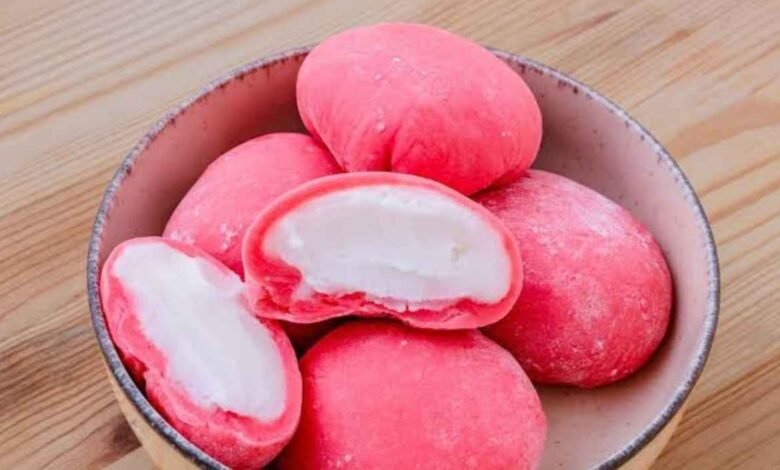
Traditional Japanese rice cakes known as mochi hold deep cultural significance and culinary delight throughout Japan. Made from glutinous rice pounded into a smooth elastic dough, these versatile treats represent good fortune, community, and seasonal celebration. From ancient ceremonial offerings to contemporary global desserts, the craft of making these soft delicacies showcases incredible artistry. Modern confectioners continuously reinvent flavors while honoring time-tested techniques passed down through generations. Understanding the rich history, preparation methods, and varied sweet creations offers a fascinating journey into Japanese culinary heritage. Discover how this beloved treat continues to captivate food enthusiasts everywhere today.
Quick Bio
| Feature | Details |
| Product Name | Mochi |
| Origin | Japan |
| Main Ingredient | Glutinous Rice (Mochigome) |
| Texture | Soft, Chewy, Elastic, Gelatinous |
| Cultural Value | Symbol of Good Fortune and New Year Celebrations |
Ancient Origins of Rice Cakes
Long before becoming a global culinary phenomenon, traditional mochi originated as a sacred offering to deities in ancient Japan. Farmers cultivated specific short-grain glutinous rice varieties solely for creating these smooth elastic cakes. Sacred rituals required pounding steamed grains until transformed into uniform dough, signifying unity, strength, and divine gratitude. Emblems of purity and abundance, these cakes featured prominently during spiritual ceremonies, agricultural festivals, and aristocratic gatherings. Over centuries, consumption expanded from sacred shrines into imperial courts and everyday households. Today, this historical foundation continues to enrich Japanese culinary identity, connecting modern generations with ancestral agricultural traditions.
Cultural Role in Japanese New Year
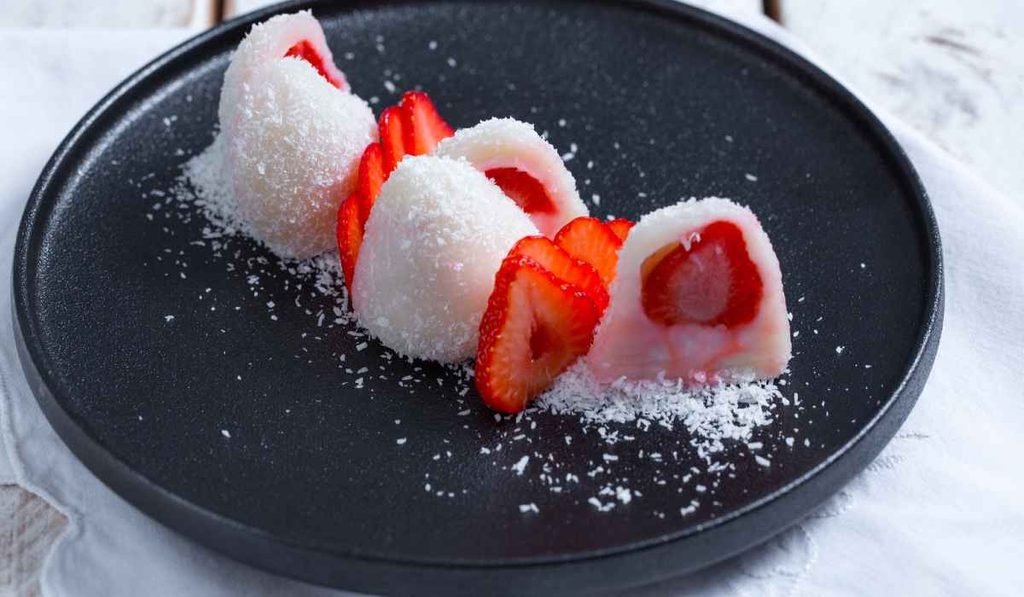
Celebrating Japanese New Year without freshly prepared mochi remains unthinkable across cities and rural villages alike. Families gather to display decorative stacked rice cakes topped with bitter orange, symbolizing ongoing familial prosperity and health. Special celebratory soups featuring toasted rice cakes bring warmth, nourishment, and blessings to household members during January mornings. Consuming these chewy delicacies symbolizes strength and longevity, helping individuals welcome fresh beginnings with optimism. Shinto shrines distribute blessed portions to visitors seeking luck for coming months. This enduring annual custom strengthens community bonds while preserving timeless culinary practices that define traditional winter celebrations throughout islands.
Artisanal Preparation and Pounding Technique
Crafting authentic mochi demands extraordinary physical endurance, precision, and synchronized teamwork between experienced artisans. High-quality glutinous rice undergoes thorough soaking before steaming in wooden baskets to reach ideal tenderness. Skilled workers then transfer steaming grains into heavy stone or wooden mortars for heavy wooden mallet pounding. One artisan swings heavy mallets with rhythmic power while another wets and turns hot dough between rapid strikes. Perfect coordination prevents injury and ensures dough achieves characteristic smoothness without unmashed rice grains remaining. This dramatic public performance attracts amazed onlookers, showcasing how manual craftsmanship transforms humble grains into beloved soft confectioneries.
Essential Ingredients and Natural Flavors
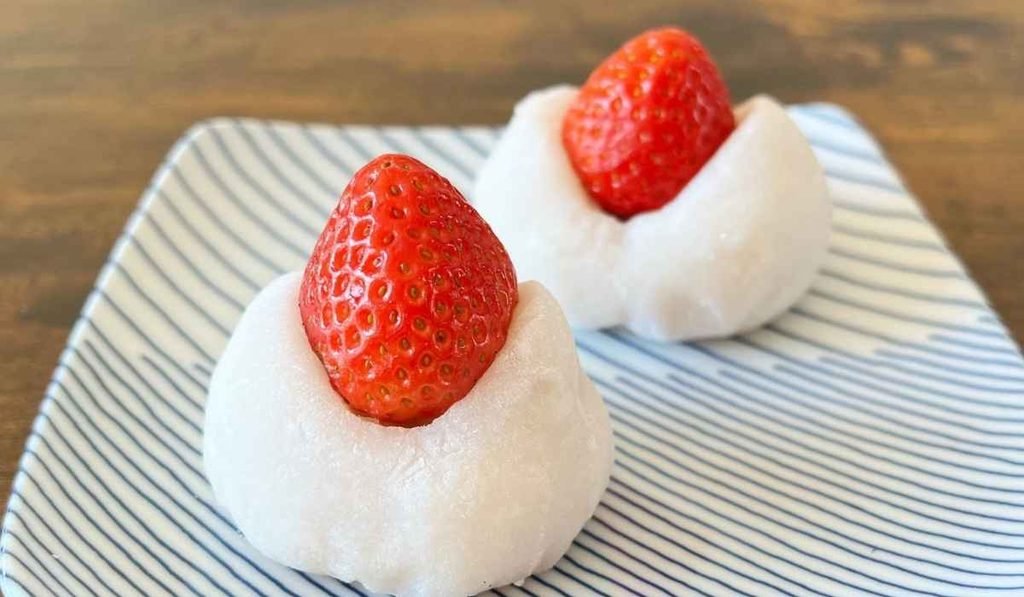
Pure mochi relies on remarkably simple raw ingredients crafted with care and meticulous attention. Short-grain sticky rice known as mochigome provides essential starch properties that yield iconic chewiness upon pounding. Pure water plays a crucial role during soaking, steaming, and dough adjustment to achieve smooth elasticity. Artisans frequently incorporate natural colorings like green tea powder, mugwort leaves, or strawberry juice for visual appeal and subtle flavor notes. Sweetened red bean paste remains the traditional filling choice, creating perfect balance against neutral rice dough. Selecting premium ingredients guarantees clean flavor profiles and exquisite textures that synthetic substitutes simply cannot replicate.
Popular Sweet Varieties Across Regions
Exploring sweet mochi variations reveals regional diversity, inventive fillings, and artistic culinary presentation across prefectures. Sweetened red bean paste enclosed inside soft dough represents Daifuku, among the most popular everyday treats available nationwide. Toasted rice cakes coated in sweet soy glaze and wrapped in crispy seaweed offer delightful savory-sweet contrast. Soft green mugwort cakes deliver earthy herbal notes balanced by sweet fillings inside. Regional specialty shops take pride in unique shapes, leaf wrappings, and signature flavor combinations handed down over centuries. Visiting local confectioners allows travelers to experience distinct regional traditions reflected through delicious handcrafted seasonal variations.
Seasonal Celebrations and Specialty Treats
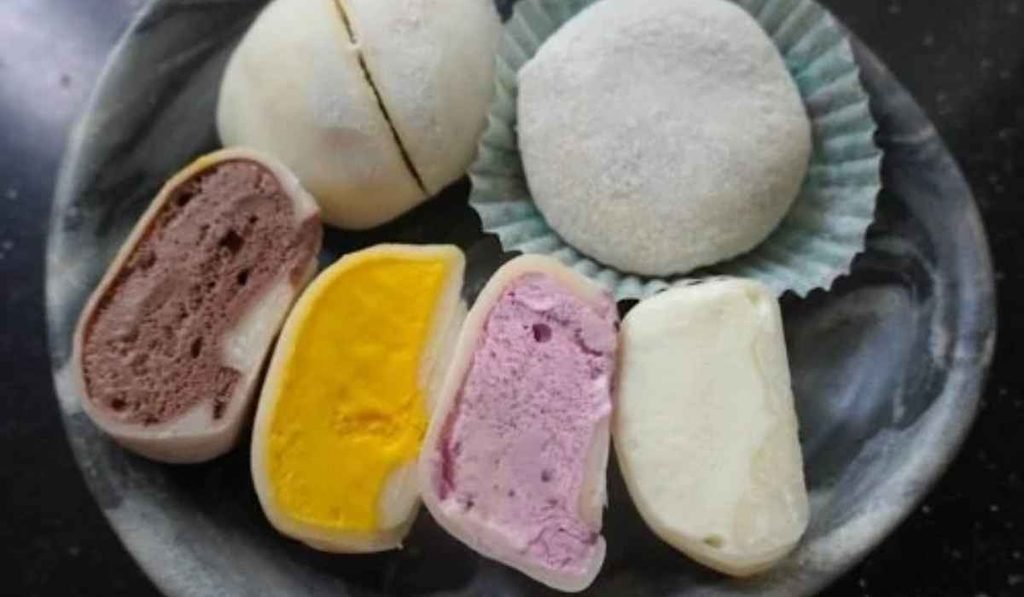
Changing seasons inspire beautiful mochi creations reflecting nature’s evolving colors, fragrances, and aesthetic beauty. Spring arrivals bring pink cherry blossom cakes wrapped in salted cherry leaves, capturing fragile spring beauty in edible form. Autumn highlights rich chestnut fillings and warm toasted preparations suited for cooler evening gatherings. Summer offers refreshing chilled varieties filled with sweet fruit pastes or ice cream centers. Visual design mirrors surrounding landscapes, with artisans shaping dough into flowers, leaves, or seasonal symbols. Aligning confectionery production with seasonal rhythms demonstrates deep Japanese appreciation for natural cycles and temporal culinary pleasures throughout every passing calendar year.
Health Benefits and Nutritional Profile
Consuming natural mochi provides clean energy derived from pure complex carbohydrates without unnecessary chemical additives. Naturally gluten-free sticky rice suits individuals seeking wheat alternatives without sacrificing satisfying chewy culinary textures. Minimal fat content paired with plant-based protein from bean fillings creates wholesome, easily digestible fuel for daily activities. Traditional preparation methods preserve natural grain nutrition without heavy processing or artificial preservatives. Portions provide quick endurance for athletes and active individuals needing sustained physical energy throughout busy days. Enjoyed in moderation as part of balanced diets, these traditional rice treats offer wholesome nourishment alongside delightful flavor.
Global Popularity and Fusion Desserts
International food lovers have enthusiastically embraced mochi through creative modern adaptations and fusion dessert concepts. Ice cream encased in soft rice dough transformed global freezer aisles, introducing millions to chewy Japanese textures. Contemporary pastry chefs worldwide experiment with matcha, boba, nutella, and exotic fruit fillings inside traditional dough formulations. Metropolitan centers now host specialized boutique shops dedicated entirely to innovative, visually striking rice cake creations. Social media platforms showcase stretching dough videos, further accelerating worldwide interest among adventurous eaters. This cross-cultural culinary evolution demonstrates how traditional regional foods adapt successfully to modern global tastes while retaining identity.
Home Preparation and Cooking Tips
Making homemade mochi has become accessible thanks to modern kitchen appliances like rice cookers and bread machines. Home cooks soak short-grain glutinous rice overnight before steaming until fully tender and translucent. Electric mixers or specialized domestic machines mash hot rice effectively, creating smooth dough without demanding manual mallet pounding. Generous dusting with potato starch prevents sticky dough from adhering to surfaces and hands during shaping. Beginners easily fill flattened dough rounds with sweetened bean paste, fruit, or ice cream before sealing edges neatly. Preparing fresh batches at home offers fun interactive cooking experiences for families exploring authentic Japanese recipes together.
Festive Displays and Mirror Cakes
Decorating homes with kagami mochi represents one of Japan’s most visually striking holiday traditions each December. Two rounded rice cakes, small placed atop large, represent divine balance, sun and moon, or passing years. Topped with bitter orange and festive paper ornaments, these displays occupy sacred home alcoves to attract ancestral blessings. After celebrations end in mid-January, families ceremonially break hardened cakes using wooden hammers rather than sharp knives. Pieces are subsequently toasted or cooked into warm soups, ensuring sacred food receives respectful complete consumption without waste. This meaningful practice combines spiritual symbolism, decorative art, and zero-waste culinary ethics smoothly.
Texture Science and Gelatinization
Unique chewiness defining perfect mochi results from specific starch structures present inside short-grain glutinous rice. High amylopectin content creates dense branched molecular networks when heated alongside water during steaming processes. Mechanical pounding aligns these starch chains, forming an elastic matrix capable of stretching significantly without tearing apart easily. Precise temperature control keeps dough pliable during shaping while maintaining firmness upon cooling down completely. Understanding starch gelatinization enables commercial producers and home cooks to achieve ideal mouthfeel reliably. Polymer chemistry behind sticky rice explains why standard long-grain white rice cannot produce comparable elasticity or texture.
Modern Commercial Manufacturing Techniques
Industrial production allows fresh mochi distribution to supermarkets worldwide while preserving quality standards and safety protocols. Automated machinery steams, kneads, and shapes dough continuously, achieving high consistency across high-volume manufacturing runs. Advanced nitrogen packaging and modified atmospheres extend shelf life without relying on heavy chemical preservatives. Automated quality control sensors monitor moisture content, elasticity, and filling distribution across every automated batch. Despite industrial scale, premium manufacturers maintain traditional recipes using genuine glutinous rice rather than cheap modified starches. Modern automation ensures consumers everywhere enjoy soft, authentic rice cakes conveniently stored at ambient temperatures.
Safety Awareness and Chewing Guidelines
Enjoying chewy mochi requires careful chewing due to dense, elastic physical characteristics inherent to sticky rice dough. Elderly individuals and young children should cut rice cakes into small manageable bites before consuming safely. Taking slow bites and drinking tea or water alongside helps smooth swallowing process significantly. Community health initiatives distribute safety guidelines annually before holiday seasons when rice cake consumption peaks nationwide. Awareness prevents accidental choking incidents while ensuring everyone enjoys festive meals safely alongside family members. Respecting dense texture characteristics ensures delightful culinary experiences without safety concerns during celebratory holiday gatherings.
Creative Savory Serving Suggestions
While sweet varieties dominate popular perception, savory mochi recipes provide comforting, deeply satisfying meal options. Grilling plain rice cakes over charcoal creates crispy golden exteriors with soft gooey centers inside. Drizzling soy sauce and wrapping toasted cakes with crisp nori seaweed yields classic Japanese comfort food snacks. Adding soft rice cake blocks into hot hotpots or miso soups creates hearty winter comfort dishes. Cheese-filled rice cakes grilled until bubbly offer delightful modern fusion appetizers for casual social gatherings. Exploring savory applications reveals extraordinary versatility beyond standard dessert applications, proving rice dough excels across diverse flavor spectrums.
Ceremonial Significance in Architecture and Shrines
Building construction ceremonies across Japan traditionally incorporate mochi scattering rituals to bless new structures and ensure safety. Carpenters toss wrapped rice cakes from newly completed roof frames to neighbors gathered below during celebratory ceremony events. Collecting scattered cakes brings good fortune, safety, and community goodwill to participating local neighborhood residents. Shrines also offer fresh rice cakes during purification rituals, weddings, and milestone birthday observances. Deep connections between rice cultivation and spiritual life reinforce social harmony throughout rural and urban Japanese communities. These architectural blessings demonstrate how humble rice foods transcend nourishment to foster community connectivity.
Artistry of Wagashi Master Confectioners
Master confectioners elevate sweet mochi into fine art through meticulous hand sculpting and delicate aesthetic coloring. Traditional wagashi artisans spend decades mastering subtle shaping techniques that mirror delicate flowers, birds, and seasonal motifs. Intricate treats accompany formal tea ceremonies, balancing bitter green matcha tea with refined, gentle sweetness. High-grade ingredients including white kidney bean paste and natural botanical dyes create delicate pastel color palettes. Every hand-sculpted piece tells subtle stories about seasonal shifts, literary themes, or natural Japanese landscapes. Experiencing masterfully crafted confectionery engages visual aesthetics, tactile textures, and refined taste sensations simultaneously.
Rice Cultivation for Specialized Rice Cakes
Producing exceptional mochi begins in agricultural fields cultivated specifically for high-amylopectin glutinous rice crops. Farmers monitor water levels, soil nutrients, and harvesting timing carefully to maximize starch density inside developing grains. Harvesting occurs during crisp autumn months, followed by gentle drying processes that protect delicate grain structures. Specialized agricultural co-operatives preserve heritage rice strains renowned for superior aroma, elasticity, and pure white appearance. Supporting sustainable rice farming preserves traditional rural landscapes while guaranteeing steady supplies of premium raw ingredients. Agricultural excellence remains foundational to crafting authentic rice cakes that meet demanding culinary standards nationwide.
Pairing Rice Cakes with Traditional Teas
Serving fresh mochi alongside authentic Japanese teas enhances flavor appreciation and creates balanced sensory dining experiences. Umami-rich green teas like sencha or ceremonial matcha cut through rich sweet bean fillings cleanly. Roasted green tea offers warm nutty notes that pair exceptionally well with toasted savory rice cake dishes. Herbal infusions complement floral or fruit-filled modern confectionery variations without overpowering delicate rice dough notes. Temperature contrasts between warm tea and soft room-temperature sweets heighten tactile enjoyment during afternoon tea breaks. Thoughtful tea pairing transforms simple snack breaks into mindful culinary rituals celebrated throughout contemporary Japanese society.
Preservation Methods and Storage Solutions
Freshly pounded mochi contains high moisture levels, requiring proper storage techniques to prevent premature hardening or mold growth. Wrapping individual pieces tightly in plastic wrap keeps dough soft at room temperature for several days. Freezing plain or filled rice cakes preserves texture and freshness effectively for several months without quality degradation. Frozen pieces thaw quickly at room temperature or rehydrate beautifully when toasted, baked, or simmered directly. Commercial producers utilize food-grade moisture absorbers and vacuum sealing to maintain shelf stability for retail distribution. Masterful preservation ensures consumers enjoy soft, delicious rice cakes long after original production dates pass.
Future Innovations in Rice Confectionery
Innovators continue expanding boundaries for traditional mochi, exploring plant-based fillings, allergen-free formulations, and functional health ingredients. Functional food producers infuse rice dough with vitamins, probiotics, or protein powders for health-conscious modern consumers. 3D food printing technologies experiment with intricate custom shapes impossible to construct through manual hand-shaping alone. Eco-friendly packaging solutions reduce plastic waste while protecting delicate rice cake moisture levels during global shipping. Despite technological advances, demand for hand-pounded artisanal creations remains exceptionally strong among discerning food enthusiasts. Continuous balance between tradition and modern innovation guarantees this ancient rice treat thrives across future generations globally.
Frequently Asked Questions
What is mochi made of?
- Made primarily from steamed short-grain glutinous rice (mochigome) pounded into a soft, elastic dough.
How should fresh rice cakes be stored?
- Keep them in airtight containers at room temperature for short periods, or freeze wrapped individual pieces for long-term storage.
Is mochi gluten-free?
- Yes, pure glutinous rice is naturally gluten-free despite its misleading name, making it suitable for gluten-sensitive diets.
Can you eat rice cakes savory?
- Yes, rice cakes can be toasted and served with soy sauce, seaweed, or added directly to warm savory soups.
Why is chewing rice cakes carefully important?
- Their dense, sticky, and elastic texture requires thorough chewing to ensure safe swallowing, especially for children and seniors.